Gun values skyrocketed so fast longtime owners couldn’t believe it
Gun prices don’t usually move like the stock market. Most of the time, values creep along slowly, rising with inflation and collector interest. But every now and then, something shifts—new laws, import bans, a surge in demand—and suddenly certain firearms jump in value almost overnight. If you’ve been around guns long enough, you’ve either watched it happen or kicked yourself for not buying when you had the chance.
The wild part is how unpredictable it can be. Guns that sat untouched in cases for years suddenly become hot commodities. Others that were once everywhere dry up fast. If you’ve got a safe with some older pieces, you might be sitting on more value than you think.
Pre-Ban Chinese AK-47 Variants
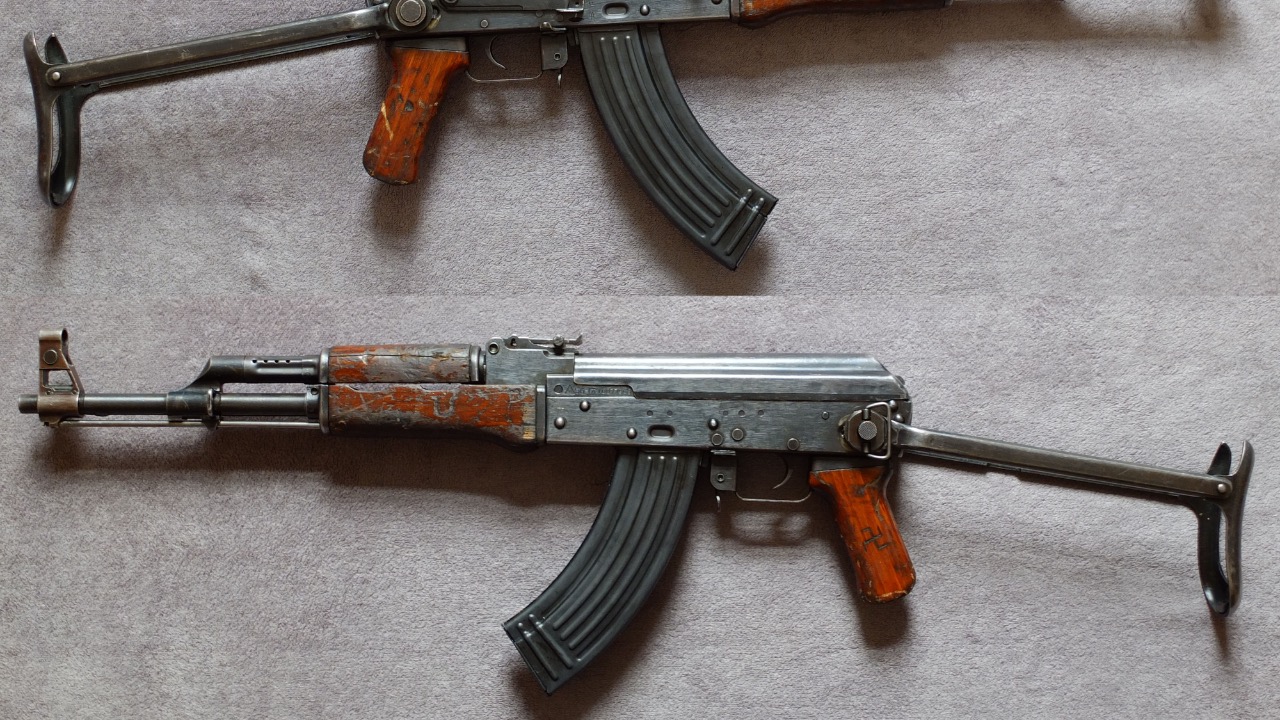
Back before the 1989 import ban, Chinese AKs came into the country by the crate. Rifles from Norinco and Poly Tech were affordable, widely available, and often overlooked by buyers who leaned toward European imports.
Then the door slammed shut. Overnight, no more were coming in. That instantly capped supply, and over time, demand kept growing. Today, clean examples—especially underfolders or spikers—bring prices that would’ve seemed absurd decades ago. If you bought one cheap in the ‘80s or early ‘90s, you’ve seen one of the fastest climbs in value of any semi-auto rifle.
Colt Python Revolvers
There was a time when the Colt Python sat in display cases longer than it should’ve. It was always respected, but high prices and changing tastes toward semi-autos kept demand somewhat in check.
That changed when Colt discontinued it. Suddenly, shooters and collectors alike started chasing them. The reputation for a smooth action and tight fit only added fuel. Prices climbed fast, and older models—especially in excellent condition—shot up the most. Even with modern reintroductions, original Pythons still carry a premium that longtime owners never expected.
Russian SKS Rifles
The SKS used to be one of those rifles you’d pick up because it was cheap and reliable. Russian models were especially common early on, and for years they stayed affordable compared to other surplus rifles.
Import restrictions and dwindling supply changed that. Russian SKSs, with their better finish and historical appeal, started pulling ahead of other variants. As crates dried up, prices moved quickly. What used to be a budget buy is now something collectors actively hunt for, and clean, matching examples have seen a steady and surprising climb.
Pre-64 Winchester Model 70
If you know bolt guns, you already know why the pre-64 Model 70 matters. When Winchester changed production methods in 1964, it didn’t sit well with a lot of shooters. The earlier rifles became the benchmark overnight.
For a while, they were simply “the better version.” Then prices began separating in a big way. Hunters and collectors started paying more to get the controlled-round feed and classic craftsmanship. Over the years, that gap widened fast. A clean pre-64 today carries a value that reflects both performance and nostalgia—and it didn’t take long for that shift to happen.
Browning Hi-Power Pistols
The Hi-Power had a long production run, which kept prices fairly stable for years. It was respected, widely used, and easy enough to find without paying a premium.
That changed when production finally stopped. Once people realized no more originals were being made, interest spiked. Military surplus dried up, commercial models followed, and prices climbed across the board. Older Belgian-made guns in particular saw sharp increases. What was once a steady, affordable classic turned into something people suddenly didn’t want to part with.
HK91 and HK93 Rifles
Heckler & Koch imports have always carried a certain appeal, but back when the HK91 and HK93 were coming into the country, they weren’t seen as untouchable collectibles.
Import bans changed everything. With no new rifles entering the market, existing ones became the only option. Over time, shooters realized what they had—reliable, well-built rifles with limited availability. Prices climbed steadily, then jumped as demand caught up. Today, finding one at a reasonable price is tough, and longtime owners have watched their value rise far beyond what they originally paid.
Marlin Lever Guns (Pre-Remington)
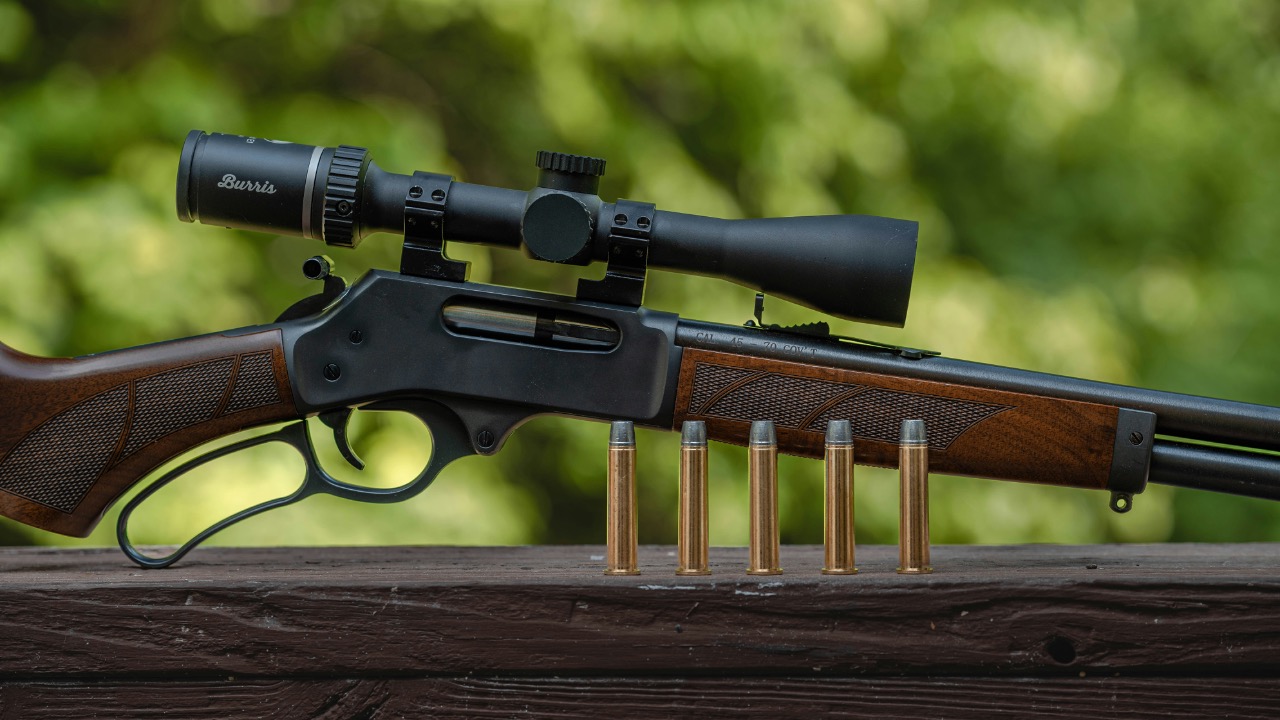
For years, Marlin lever guns were working rifles. They got used, carried, and rarely treated as collectibles. Then Remington took over production, and quality issues started getting attention.
That’s when the shift happened. Older “JM-stamped” Marlins quickly gained a reputation as the ones to have. Demand spiked almost overnight, and prices followed. Rifles that had been riding in truck racks suddenly became sought-after. If you held onto one from before the transition, you saw that value climb faster than anyone expected.
U.S. Military M1 Carbines
The M1 Carbine used to be one of the more accessible pieces of U.S. military history. Large numbers were released to the civilian market, keeping prices relatively low for a long time.
As those supplies dried up, the tone changed. Collectors started paying closer attention to manufacturers, markings, and originality. Prices moved up quickly, especially for correct and matching examples. What was once an easy entry into military collecting became a competitive market, and values rose faster than many longtime owners thought possible.
Belgian-Made Browning Auto-5 Shotguns
The Auto-5 had a long run, and for a while, they were everywhere. Hunters used them hard, and they weren’t treated as anything special beyond being dependable.
Once Belgian production ended, things shifted. Buyers started seeking out those earlier guns, especially in good condition. The craftsmanship and history began to matter more, and prices reflected that. It didn’t happen overnight, but when the rise came, it moved quicker than expected. Owners who held onto older Belgian models saw them turn from field guns into valuable pieces.
Original Colt Single Action Army Revolvers
The Colt Single Action Army never really went out of style, but there was a time when older examples could still be found without breaking the bank—especially those that weren’t in pristine condition.
That window didn’t stay open long. Interest in Old West firearms surged, and collectors started driving prices up fast. Early production guns, documented history, and original finishes pushed values even higher. What once seemed like a steady, predictable market turned into one where prices jumped quickly, leaving many longtime owners surprised at what their revolvers were suddenly worth.

Asher was raised in the woods and on the water, and it shows. He’s logged more hours behind a rifle and under a heavy pack than most men twice his age.