10 home repairs you are not legally allowed to carry out yourself
Navigating the rules around home repairs can save you headaches down the line. Local building codes exist for good reason: they protect your safety, your property value, and the integrity of the house itself. While many minor fixes fall squarely in the realm of weekend projects, certain jobs cross into regulated territory. In places like Texas, homeowners often handle work on their primary residence, but permits, inspections, and licensing requirements still apply for anything that touches critical systems. Skipping those steps can lead to failed inspections, insurance complications, or even orders to tear out and redo the work.
Understanding where the line sits helps you decide when to grab tools and when to pick up the phone. Here are several repairs where proceeding without the right credentials or approvals often lands outside the rules.
Major electrical system upgrades
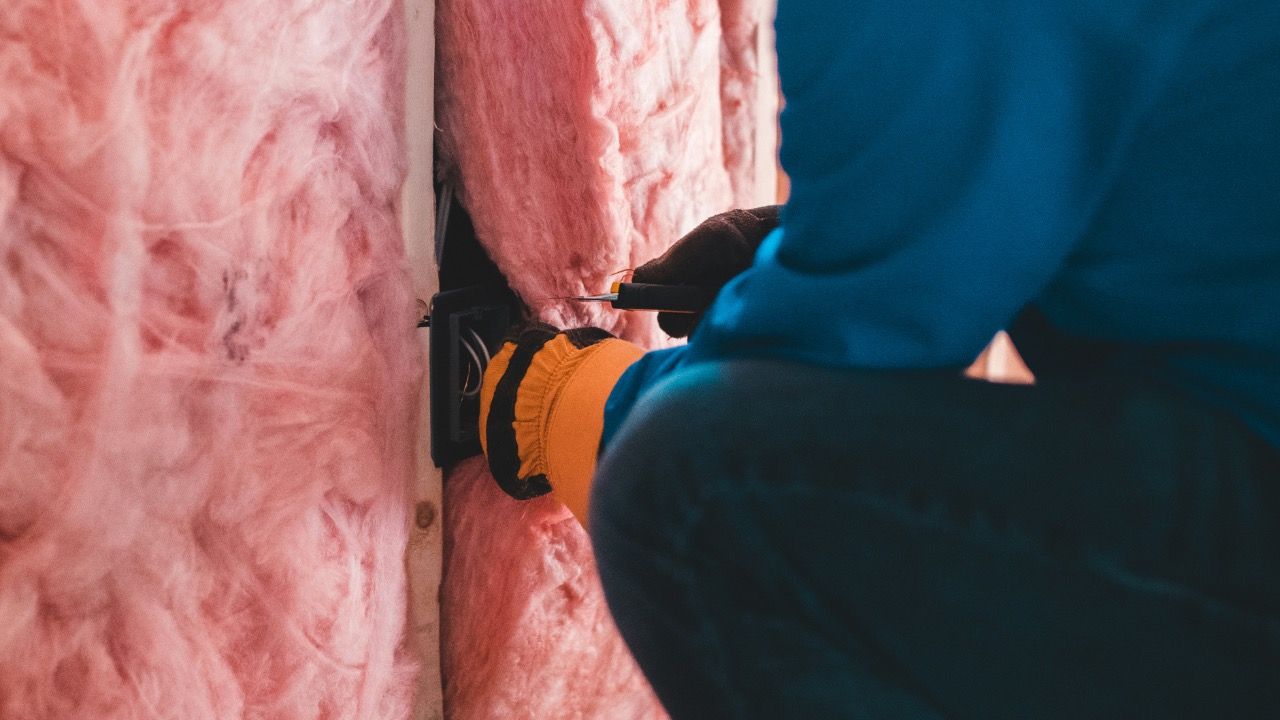
Tackling a full rewire or adding new circuits throughout the house usually demands more than basic know-how. Local authorities require permits and inspections to verify that the work meets safety standards for grounding, load capacity, and fire prevention. In Texas and many other states, while you can perform some tasks as a homeowner on your own property, extensive changes often need oversight from licensed professionals to avoid hazards like overloaded panels or improper connections.
The risks extend beyond immediate shocks or shorts. Unpermitted electrical work can complicate home sales, trigger higher insurance premiums, or leave you liable if something goes wrong. Checking with your city’s building department before starting keeps everything above board and ensures the job holds up over time.
Gas line modifications
Handling natural gas lines for appliances or extensions carries serious safety implications. Most jurisdictions insist on licensed plumbers or gas fitters for any alterations, installations, or repairs beyond simple appliance hookups. Leaks or improper fittings can lead to explosions or carbon monoxide issues that affect the whole household.
Even if you feel confident with basic plumbing, gas work follows stricter protocols. Permits help document that pressure tests and shutoff valves comply with code. In Dallas and surrounding areas, authorities take these rules seriously to protect neighborhoods, making professional involvement the standard route for peace of mind.
Structural alterations to load-bearing elements
Removing or moving walls that support upper floors, roofs, or beams requires engineering input in nearly every municipality. These changes affect the building’s core stability, and DIY attempts without stamped plans often violate building codes. Professionals assess soil conditions, beam sizing, and redistribution of loads to prevent future settling or collapse.
Homeowners sometimes underestimate how interconnected these elements are with the rest of the house. Getting permits ensures inspections catch problems early. Skipping this step can create resale issues or force costly corrections later when buyers bring in their own inspectors.
New HVAC system installations
Installing or replacing central air conditioning, furnaces, or ductwork involves electrical, refrigerant, and ventilation standards that licensed contractors typically handle. Many areas require specific certifications for handling refrigerants due to environmental regulations, and improper sizing can waste energy or fail to heat and cool effectively.
Permits confirm that the system integrates safely with existing electrical and gas lines. In Texas summers, a subpar installation can lead to bigger problems like moisture issues or inefficiency. Bringing in qualified technicians helps avoid callbacks and keeps your home comfortable year-round.
Extensive plumbing rerouting
Major changes like relocating pipes, adding bathrooms, or tying into sewer lines generally need licensed plumbers and permits. These projects must meet code for slope, venting, and backflow prevention to avoid leaks, contamination, or drainage failures. Homeowners can often swap fixtures, but deeper modifications cross into regulated work.
The hidden nature of plumbing makes mistakes expensive to fix once walls close up. Proper documentation through permits also protects you during future claims or property transfers. Consulting local rules early clarifies what stays in your hands versus what needs expert attention.
Roof replacements or major repairs
Full roof tear-offs and replacements require permits in most locations to ensure proper underlayment, flashing, and attachment meet wind and weather standards. Some municipalities limit who can pull those permits or require licensed roofing contractors for larger jobs. Improper installation can void warranties and lead to water intrusion.
Texas hail and storms make quality roofing especially important. While minor patch jobs might slide by, large-scale work benefits from professional crews equipped for safety at height and code compliance. Checking with your local building office prevents surprises when it comes time for final approval.

Asher was raised in the woods and on the water, and it shows. He’s logged more hours behind a rifle and under a heavy pack than most men twice his age.