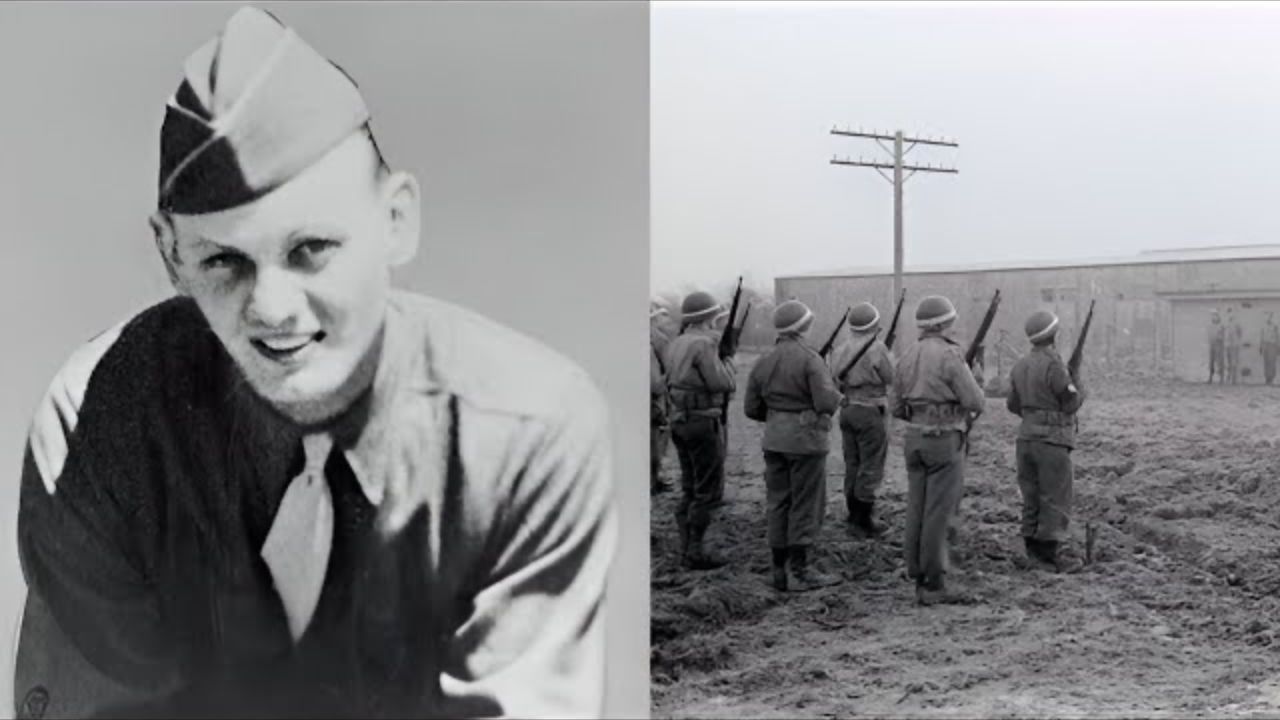
Eddie Slovik’s Execution: The Sole Case of an American Soldier Put to Death for Desertion in World War II
The execution of Eddie Slovik remains one of the most unusual and debated moments in American military history. During World War II, thousands of U.S. soldiers were charged with desertion, but only one was actually executed for it. That fact alone has kept Slovik’s story alive decades later.
His case stands out not just because of the punishment, but because of how openly he admitted to his actions. Unlike others who tried to avoid severe consequences, Slovik made it clear he did not want to return to combat, which set his situation on a very different path.
A troubled start and early military record
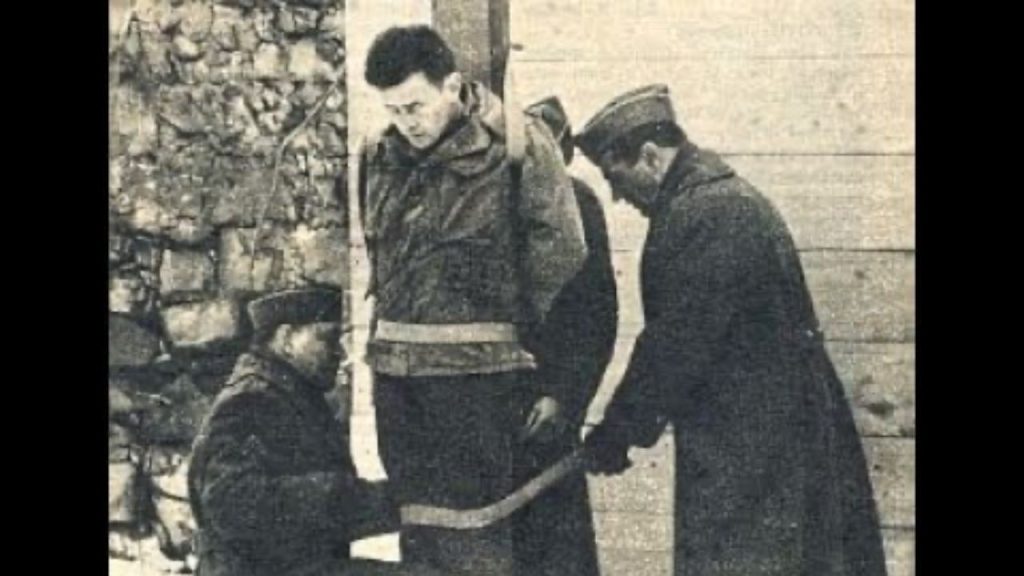
Before entering the Army, Slovik had a history of minor legal trouble, including theft-related charges. When he was drafted in 1944, he was already older than many new recruits and not especially eager to serve in combat roles.
After basic training, he was sent to Europe as Allied forces were pushing deeper into occupied territory. Like many replacements arriving late in the war, he had little time to adjust before being placed near the front lines, which were still dangerous despite the overall progress of the war.
The decision to walk away
Shortly after arriving in a combat zone in France, Slovik became separated from his unit during a chaotic movement. Instead of making a strong effort to return, he chose to stay behind with another unit and avoid front-line duty.
What makes his case unusual is what came next. Slovik openly told Army officials that he was unwilling to fight and even wrote a signed statement saying he would run away again if forced back into combat. This level of honesty, while rare, removed any ambiguity about his intentions.
Court-martial and sentencing
Slovik was quickly brought before a military court and charged with desertion. Under military law at the time, desertion during wartime could carry the death penalty, though it was almost never enforced. Most soldiers received prison sentences or were reassigned.
In Slovik’s case, commanders saw an example that could affect discipline across the ranks. His refusal to return to duty, even after being warned, played a major role in the decision to hand down a death sentence rather than a lesser punishment.
Execution and aftermath
On January 31, 1945, Slovik was executed by firing squad in France. He was 24 years old. The execution was carried out quietly, but word eventually spread, raising questions both within the military and back home.
In the years after the war, his case became a topic of debate. Some argue he was treated too harshly compared to others who committed the same offense. Others believe military leaders were trying to send a clear message during a critical phase of the war.
Why his case still matters
Slovik’s execution continues to come up in discussions about military justice and fairness. It highlights how discipline was enforced during one of the most intense conflicts in modern history and raises questions about consistency in punishment.
His story also reflects the human side of war — fear, pressure, and the difficult choices soldiers faced. While the war ended months after his execution, the debate over whether his punishment fit the crime has never fully gone away.

Leo’s been tracking game and tuning gear since he could stand upright. He’s sharp, driven, and knows how to keep things running when conditions turn.