Why some gun laws spark more confusion than compliance
You might assume gun laws would deliver clear instructions for anyone who wants to follow them. In practice, they often deliver the reverse. Federal baselines mix with state-specific additions and occasional local twists, creating a web of requirements that shift depending on where you stand. Lawmakers design these measures to protect public safety while respecting rights, but the accumulated layers leave ordinary people sorting through contradictions instead of straightforward steps. Whether you live in a permissive state or one with tighter controls, the experience feels the same: good intentions meet overlapping rules that rarely align. The outcome is less compliance and more uncertainty for citizens who simply want to stay legal.
The Patchwork of Rules Across States and Federal Levels
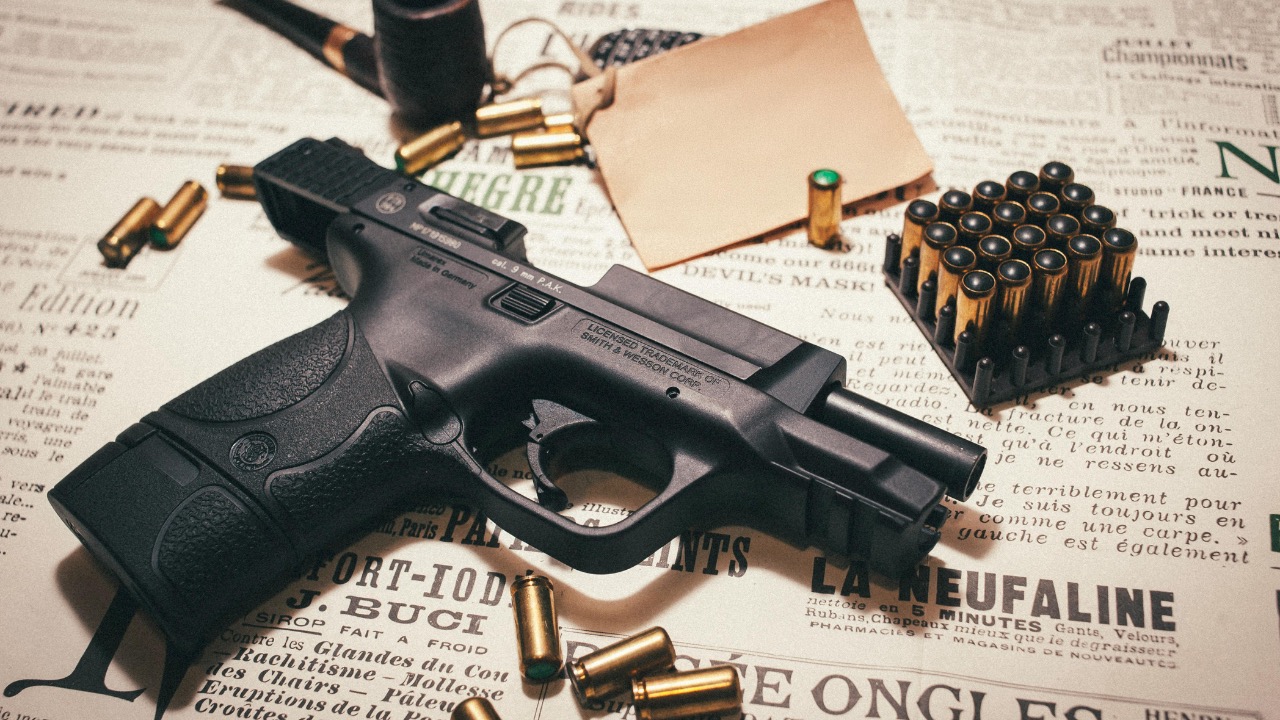
Federal statutes lay down core requirements for dealer sales and prohibited buyers nationwide. States layer on their own measures, so the same handgun purchase might involve a waiting period in one place and none in another. Travel compounds the issue, because a firearm legal to carry in Texas could violate restrictions the moment you cross into a neighboring state with different carry rules.
Preemption statutes in many states block cities from adding extra local ordinances, yet the broader state-to-state differences remain. You end up checking multiple sources before any routine decision, such as buying ammunition or transporting a rifle for a range trip. The result turns everyday compliance into an exercise in constant cross-referencing rather than simple adherence.
Vague Definitions That Leave Room for Interpretation
State bans on certain rifles often hinge on lists of cosmetic features rather than how the firearm actually functions. A pistol grip or adjustable stock might push an otherwise legal rifle into prohibited territory in one jurisdiction while the identical model stays unrestricted elsewhere. Enforcement relies on subjective readings of those feature lists.
This approach creates gray areas that even seasoned owners debate. Manufacturers tweak designs to skirt the edges, and buyers second-guess modifications that seemed minor. The ambiguity forces people to consult attorneys or risk unintentional violations, shifting focus away from safety and toward parsing technical wording.
Background Check Systems With Notable Gaps
Federal law requires checks through licensed dealers, yet private sales between individuals often proceed without any screening in many states. The system catches some prohibited buyers at the dealer counter but leaves gaps when transactions happen outside that channel. Delays in the national database can stretch beyond the initial approval window, leaving sellers and buyers in limbo.
These inconsistencies mean law-abiding citizens sometimes navigate incomplete information. A clean record does not always guarantee an instant green light, and the private-sale exception invites questions about whether every transfer truly receives scrutiny. The setup highlights how partial coverage generates doubt instead of confidence in the process.
Regulations Targeting Homemade Firearms and Kits
Rules now require serialization and background checks for many unfinished frames and kits sold commercially. The change aimed to close a perceived loophole, but the distinction between a regulated kit and a simple hobby project remains fuzzy for hobbyists building at home. Courts continue to weigh challenges to the exact scope of these mandates.
You might start a project with legal parts only to discover later that new interpretations reclassify what you built. The evolving standards create hesitation among people who assemble firearms for personal use, turning a traditional activity into one that demands legal research before each step.
Ongoing Uncertainty From Recent Supreme Court Rulings
The 2022 Bruen decision required courts to measure modern restrictions against historical traditions of firearm regulation. Lower courts have reached conflicting conclusions on everything from magazine limits to sensitive-place rules, producing a stream of injunctions and appeals. Judges now spend time examining 18th- and 19th-century statutes instead of contemporary safety data.
This historical test keeps long-standing laws in legal limbo while new ones face immediate challenges. Citizens watch cases wind through the system and wonder which rules will survive the next ruling. The shifting landscape discourages reliance on any single statute, because yesterday’s accepted practice could become tomorrow’s violation.
Variations in Concealed Carry and Sensitive Places
Some states issue permits on a shall-issue basis or allow carry without any permit, while others maintain stricter licensing. Post-Bruen laws in certain jurisdictions restrict carry on private property open to the public unless owners grant explicit permission. The result is a map of permission zones that changes at every border.
You plan a road trip or a visit to a shopping center and suddenly face questions about whether your permit works there or whether a posted sign changes the rules. These differences turn routine movement into a compliance puzzle that demands up-to-date research for each destination.
Waiting Periods and Purchase Timelines That Differ Widely
A handful of states impose mandatory delays between purchase and pickup, citing cooling-off periods. Others allow immediate transfer once the background check clears. The same buyer could wait ten days in one state and leave the store the same afternoon in another, even for identical handguns.
These timelines create practical problems for people who face urgent self-defense needs or simply want to complete a legal transaction efficiently. The variation underscores how policy choices in one capital produce ripple effects that feel arbitrary to citizens living under them.
Extreme Risk Protection Orders and Due Process Questions
About half the states now allow temporary removal of firearms from individuals deemed a threat through court orders. Supporters highlight the preventive value, yet critics point to procedures that can move quickly without full criminal charges or long-term hearings. The balance between immediate safety and individual rights remains unsettled in practice.
When an order issues, the affected person must navigate surrender requirements and later restoration processes that vary by state. The mechanism aims to intervene before harm occurs, but the speed and standards involved leave participants uncertain about their rights at every stage.

Asher was raised in the woods and on the water, and it shows. He’s logged more hours behind a rifle and under a heavy pack than most men twice his age.