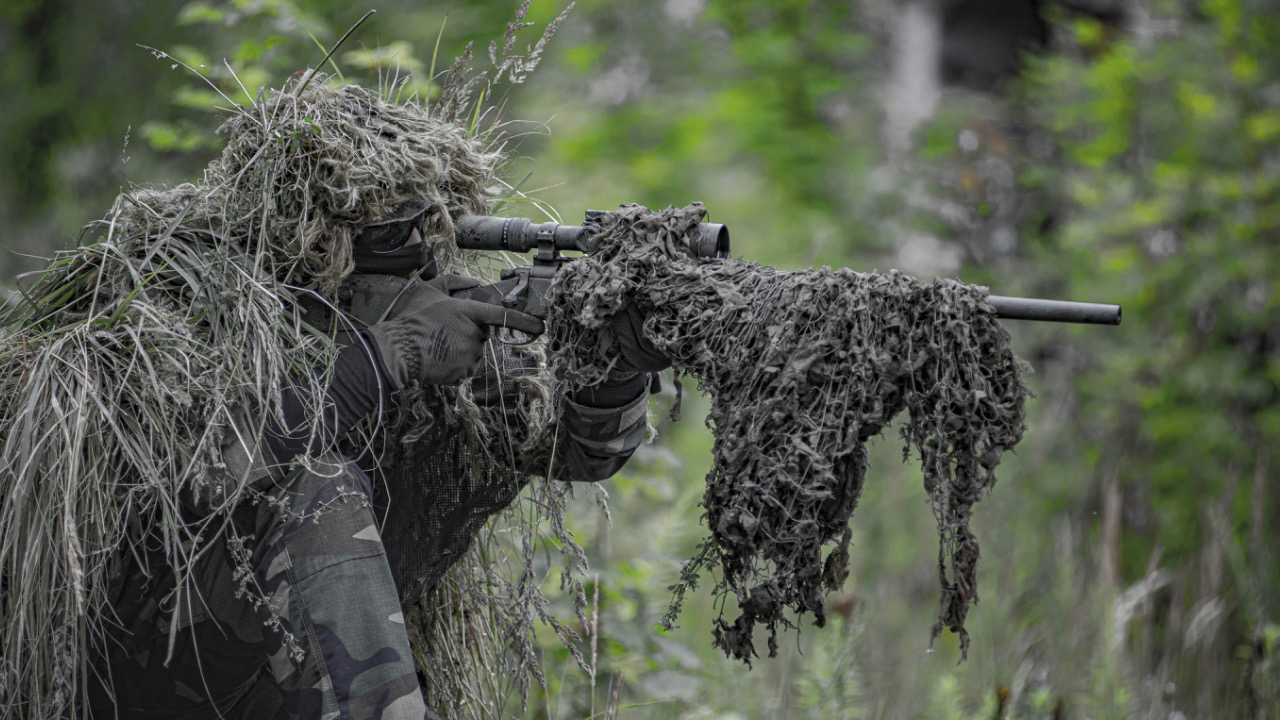
Lethal precision at long range: the sniper rifle favored by Navy SEALs
When people picture a Navy SEAL sniper rifle, they often imagine one specific gun and leave it at that. The truth is more layered. Over the years, SEAL teams have fielded several precision rifles depending on mission profile, environment, and engagement distance. If you’re looking at what they’ve relied on for true long-range work in recent years, one system stands out: the MK 13 Mod 7.
Built for consistent precision beyond traditional combat distances, it represents a shift in how special operations units approach extended-range engagements. You’re not looking at mythology here. You’re looking at a purpose-built rifle designed around accuracy, consistency, and adaptability under real operational pressure.
MK 13 Mod 7
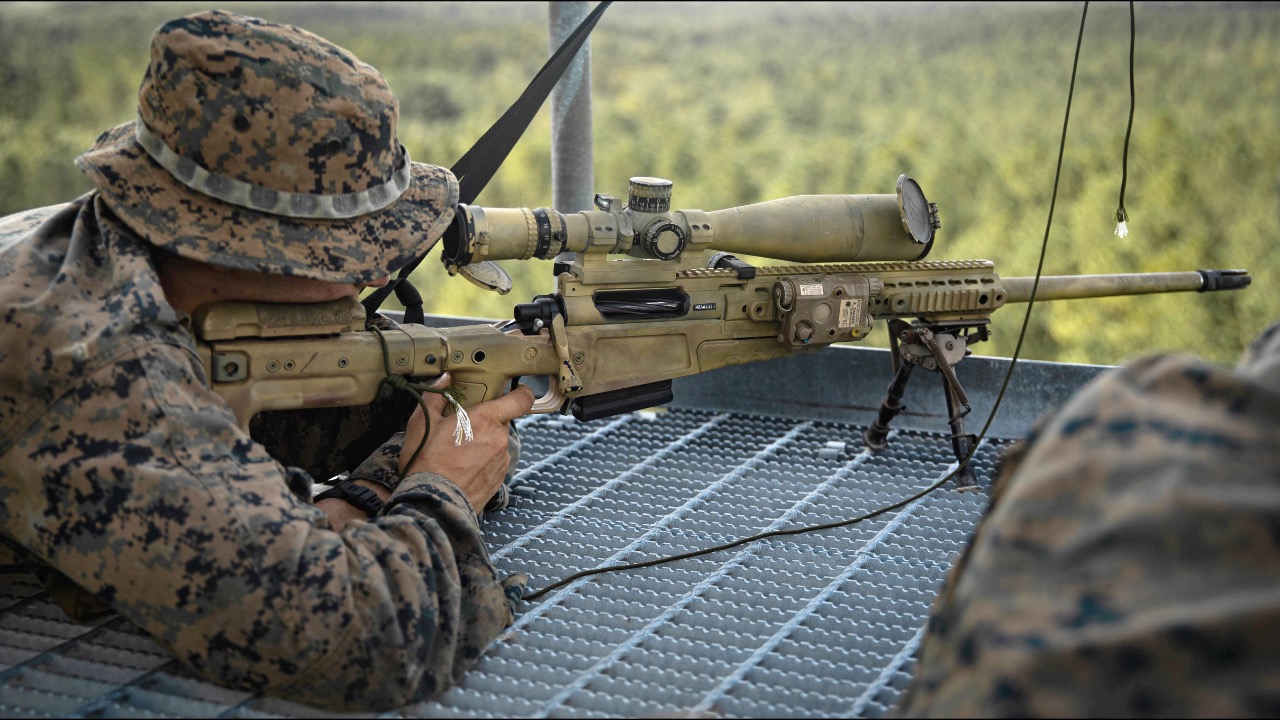
The MK 13 Mod 7 is a bolt-action precision rifle chambered in .300 Winchester Magnum. It was developed to give U.S. special operations forces greater effective range and terminal performance than earlier 7.62 NATO platforms. For you, that means flatter trajectory, higher retained energy, and better wind resistance at extended distances.
It’s built around a heavy-contour barrel and modern chassis system, allowing for repeatable accuracy and modular adjustments. The rifle is designed for precision beyond 1,000 yards under the right conditions. It replaced older sniper platforms in certain units because it extended capability without sacrificing reliability. It’s a serious long-range tool built for real-world combat requirements.
Remington 700-Based MK 13 Legacy
Before the Mod 7 configuration, earlier versions of the MK 13 were built on the Remington 700 long-action receiver. That platform has been a backbone of U.S. military sniper systems for decades due to its strong action and consistent lockup.
For you, that means dependable mechanical accuracy. The bolt-action design reduces variables, giving trained shooters tighter control over each shot. SEAL snipers relied on these rifles in .300 Winchester Magnum to stretch effective engagement distances beyond what the 7.62 NATO MK 11 could manage. It wasn’t flashy. It was deliberate, steady, and built for precision when distance and wind became serious factors.
.300 Winchester Magnum Chambering
The cartridge matters as much as the rifle. The .300 Winchester Magnum offers significantly more velocity and energy at long range compared to 7.62×51 NATO. If you’re looking at extended engagement distances, that added performance translates into less bullet drop and improved resistance to wind drift.
For a sniper operating in mountainous terrain or open desert, those advantages matter. You’re dealing with unpredictable wind and changing elevation. The .300 Win Mag gives more margin for error than smaller calibers, especially when targets stretch beyond 800 yards. It’s a cartridge chosen for practical ballistic reasons, not image.
Modern Chassis System and Adjustability
The MK 13 Mod 7 uses a modular chassis rather than a traditional stock. That allows full adjustability for length of pull, cheek height, and accessory mounting. For you, that means consistent eye alignment behind high-powered optics and a stable shooting position.
This matters more than most people realize. Long-range shooting demands repeatable body position. Small inconsistencies grow into misses when you’re stretching distance. A rigid chassis system minimizes flex and provides a stable bedding platform for the barreled action. In a professional context, consistency equals predictability, and predictability is everything when you’re working at extended range.
Optics and Precision Integration
A rifle like the MK 13 is only as capable as the optic mounted on it. SEAL snipers have used high-quality variable power scopes designed for precise elevation and wind adjustments. You’re talking about glass that tracks accurately and holds zero after hard use.
When you’re dialing for distance, repeatable turret adjustments are critical. Long-range shooting is a math problem under pressure. Reliable optics reduce uncertainty and allow you to apply ballistic data confidently. Combined with rangefinders and data cards, the rifle system becomes a coordinated precision package rather than a standalone firearm.
Suppression and Signature Reduction
Operational use often requires minimizing muzzle flash and report. The MK 13 system can be fitted with suppressors designed to reduce signature without severely impacting accuracy. For you, that means less visible and audible detection after firing.
Suppressors also reduce felt recoil and help maintain sight picture through the shot. That allows for faster observation of impact and correction if needed. In a military context, that capability improves survivability and efficiency. It’s not about silence in the cinematic sense. It’s about controlling the rifle and limiting exposure after a shot breaks.
Transition to Multi-Caliber Systems
While the MK 13 remains important, newer systems like the MK 22 Advanced Sniper Rifle are being fielded across U.S. special operations. These rifles offer multi-caliber capability, allowing operators to switch between cartridges such as 7.62 NATO, .300 Win Mag, and .338 Norma Magnum.
For you, that shift shows how long-range precision continues to evolve. The mission determines the cartridge, not tradition. Greater flexibility means better performance across varied terrain and engagement distances. The MK 13 helped set that standard by proving that extended-range capability was essential in modern operations.
Long-range precision isn’t about mystique. It’s about ballistics, consistency, and disciplined execution. The rifles chosen by Navy SEAL snipers reflect those priorities. When distance stretches and conditions turn unpredictable, equipment matters. And the MK 13 Mod 7 has earned its place as one of the most trusted long-range tools in that world.

Asher was raised in the woods and on the water, and it shows. He’s logged more hours behind a rifle and under a heavy pack than most men twice his age.