
Eight rifles that hold their value decade after decade
Rifles that keep their price decade after decade tend to share a few traits: proven performance, deep cultural or military roots, and limited supply relative to demand. When I look at the secondary market, the same classic models surface again and again, often selling for more than their original sticker price even after years of hard use. The eight rifles below illustrate why some designs become long term stores of value while others fade into the bargain rack.
Why some rifles are better “money parked in steel” than others

Not every well made firearm is a sound financial bet. Rifles that hold value usually sit at the intersection of real world utility and collector appeal, so they attract hunters, target shooters, historians, and investors at the same time. Auction data on classic military arms shows how powerful that mix can be, with prices for categories like Garands and other service rifles rising sharply as more buyers chase a finite pool of guns that will never be made again, a trend that has pushed some models up by more than 60 percent since 2018 according to recent auction data.
On the modern side, enthusiasts often point to semi automatic sporting rifles as reliable “parking spots” for cash, especially when they are built in smaller runs or tied to specific political eras. In one widely cited discussion, users singled out Semi automatic sporting arms such as AKs, nicer ARs, M1 Garands, and smaller run models like Sig SWAT rifles as examples that tend to keep or grow their value, with any profit described as a nice bonus rather than the primary goal of ownership in that Sep thread.
M1 Garand: the benchmark for appreciating service rifles
The M1 Garand sits at the center of almost every conversation about rifles that appreciate over long periods. It combines a pivotal role in twentieth century history with a distinctive shooting experience that newer designs have never quite replaced. Collectors treat original configuration Garands as blue chip assets, and auction houses report that classic military arms, including Garands, have seen some of the fastest price growth in the firearms world, with values in that segment climbing more than 60 percent since 2018 according to recent Garands data.
Part of the Garand’s staying power comes from scarcity that is slowly tightening. The United States government released large numbers through surplus programs, but those pipelines have largely dried up, and every rifle that is heavily modified or “bubbafied” effectively disappears from the collector pool. That dynamic mirrors what long time owners predict for other surplus platforms, and it reinforces why a correct, documented Garand is likely to remain a strong store of value even as newer rifles dominate the firing line.
SKS variants: from cheap surplus to rising collectibles
For years the SKS was the definition of a budget surplus rifle, but the market has been quietly re rating certain variants as future collectibles. Experienced owners now single out the SKS, and especially the Yugo, Albanian and Russian versions, as rifles that are likely to become highly sought after as more examples are altered or parted out. One detailed discussion noted that more and more of these rifles are “bubbafied” every year, while The Chinese examples, once imported in huge numbers, are already harder to find in original trim, a pattern that has led some to predict that these rifles will become highly collectible according to long running Jan commentary.
That shift illustrates how value can emerge not just from initial rarity but from attrition over time. When I look at SKS prices, the premium now attached to matching numbers, intact grenade sights on Yugo models, or unmodified stocks reflects a growing consensus that originality is the new scarcity. As import supplies remain closed and more rifles are customized, the remaining pool of correct SKS carbines, especially Yugo, Albanian and Russian examples, is likely to command steadily higher prices from both shooters and collectors who want a piece of Cold War history that still runs on the range.
Ruger 10/22: popularity, parts, and quiet price resilience
Some rifles hold value not because they are rare, but because they are so useful that demand never really fades. The Ruger 10/22 is a prime example, a semi auto .22 LR that remains the most popular rifle in the United States thanks to its reliability, modularity, and ease of use. Recent research on ownership trends notes that The Ruger 10/22 continues to dominate the rimfire category, with its simple blowback action and huge aftermarket keeping it at the top of sales charts according to updated Sep data.
From a value perspective, that popularity creates a floor under used prices. A well kept 10/22 rarely lingers unsold, because new shooters, small game hunters, and tinkerers all want a platform that can be customized with barrels, stocks, and triggers. Limited edition runs and older metal trigger group models can command premiums, but even standard carbines tend to track inflation rather than collapsing into the bargain bin. In my view, that combination of constant demand and near indestructible utility makes the 10/22 one of the safest “buy it, shoot it, and get your money back later” rifles on the market.
Remington 700: the evergreen bolt gun for hunters and builders
In the bolt action world, the Remington 700 has long been a default choice for shooters who want accuracy, aftermarket support, and a familiar manual of arms. Enthusiasts who have spent years with the platform describe The Remington 700 as an enjoyable rifle to build up and fire, a gun that rewards careful bedding, trigger work, and load development. One seasoned shooter even framed it as a rifle that can be tuned to take deer and boar sized game cleanly, underscoring why the 700 action remains a favorite foundation for custom hunting and tactical builds in detailed There commentary.
That deep ecosystem of stocks, barrels, and triggers helps the 700 hold its value, because a buyer is not just purchasing a single configuration but access to an entire universe of upgrades. Even as Remington’s corporate fortunes have shifted, demand for older, high quality 700 rifles has stayed strong, particularly for classic calibers and pre recall triggers. When I look at used racks, clean 700s rarely sit for long, and limited production variants or heavy barrel models often sell for more than their original retail price, especially when paired with quality optics.
Winchester Model 70: “rifleman’s rifle” with collector gravity
Where the 700 is a builder’s platform, the Winchester Model 70 is often treated as a finished object of craftsmanship. Collectors and hunters alike refer to it as a “rifleman’s rifle,” and modern guides to essential firearms highlight the Winchester Model 70 as a must have bolt action. In one detailed table of classic designs, the Winchester 70 is listed with its Firearm name, Type as a Bolt action rifle, and Introduced date that ties it back to the late nineteenth century lineage of controlled round feed designs, a pedigree laid out in a Winchester Model table that also emphasizes its enduring appeal.
Pre 1964 Model 70 rifles, with their controlled round feed actions and hand fitted parts, have become especially prized, often trading at a significant premium over later push feed versions. Limited runs, unusual chamberings, and high grade wood further concentrate value, turning some examples into heirloom assets that move more like fine sporting art than commodity firearms. In my experience, a well preserved Model 70 in a classic caliber such as .30-06 or .270 Winchester will always find a buyer, and the best examples tend to appreciate steadily as new production costs rise and collectors chase the finite supply of vintage guns.
WW2 Mauser and Walther rifles: history priced into every stamp
Rifles tied directly to the Second World War have seen some of the strongest long term appreciation, and German designs from Mauser and Walther sit at the center of that trend. Collectors pay close attention to factory codes, proof marks, and finish types, because these details can signal late war production or experimental treatments that are far scarcer than standard issue guns. Researchers have documented how They experimented with phosphate finishes at the end of the war, both at the Mauser factory and at the Walther factory, creating small batches of rifles and pistols that now command significant premiums due to their rarity and historical context as outlined in detailed Mauser research.
From a value retention standpoint, these rifles benefit from a perfect storm of factors: finite wartime production, international interest, and a growing body of scholarship that helps buyers distinguish genuine examples from fakes or mismatched parts guns. High end investment lists routinely feature WW2 era arms among the most valuable collector firearms, and some of the top 10 most valuable pieces ever sold have been military rifles and carbines with exceptional provenance, a pattern highlighted in recent Jan rankings. For the average enthusiast, that does not mean every K98k or G43 is a lottery ticket, but it does suggest that a correct, documented Mauser or Walther rifle is unlikely to lose value over a decade horizon.
Modern semi autos: AKs, ARs, and Sig SWAT runs
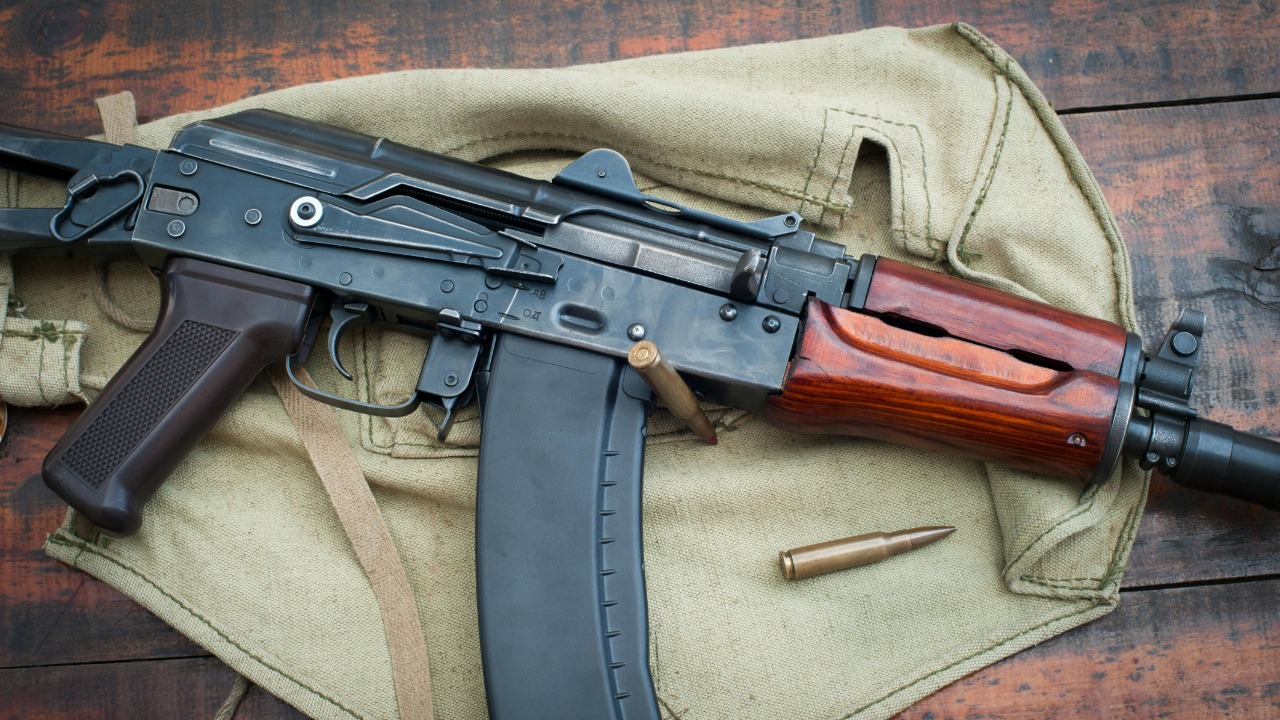
While vintage rifles dominate the very top of the price charts, modern semi automatic designs have proven remarkably resilient in value, especially when they are tied to specific political or regulatory climates. Enthusiasts often describe Semi automatic sporting arms such as AKs, nicer ARs, M1 Garands, and smaller run models like Sig SWAT rifles as solid long term holds, in part because any future restrictions can instantly transform a common rifle into a scarce commodity. In one widely shared discussion, users emphasized that buying quality AKs or premium ARs is primarily about owning reliable rifles, but they acknowledged that the potential for appreciation is a nice bonus in a market where demand routinely outstrips supply for certain configurations, a point made explicitly in that Semi thread.
Short production runs, discontinued models, and factory marked law enforcement or military contract overruns can all add collector interest to otherwise standard rifles. Sig SWAT variants, for example, combine brand cachet with limited availability, which helps them resist depreciation compared with mass market carbines. When I look at used prices for quality AK pattern rifles or well built ARs with cold hammer forged barrels and reputable components, they tend to track replacement cost closely, and in some cases exceed it when new inventory is constrained. That pattern suggests that carefully chosen modern semi autos can function as both practical tools and reasonably stable assets.
How collectors think about “investment grade” rifles
Behind the specific models, there is a broader mindset that separates casual buyers from those who treat rifles as part of a long term portfolio. Guides aimed at investors stress that understanding which guns best preserve their value can lead to smarter purchases, and they highlight factors such as brand reputation, historical significance, and condition as key drivers of long term pricing in the secondary market, a framework laid out in recent value analysis. In practice, that means prioritizing original finish, matching serial numbers, and complete accessories over cosmetic upgrades that might appeal to one owner but reduce appeal to the next.
Curated lists of essential firearms for collectors echo that approach, blending practical workhorses with historically important designs. One overview framed its picks as the ultimate 10 list for enthusiasts and urged readers to explore the remarkable features, storied pasts, and unique characteristics that make certain firearms indispensable, a sentiment captured in the line “Let us explore the remarkable features, storied pasts, and unique characteristics that make these firearms indispensable to any collection” in a recent Feb guide. When I talk to serious collectors, they tend to view rifles like the M1 Garand, SKS variants, The Remington 700, the Winchester 70, and WW2 Mauser and Walther models as core holdings that anchor a collection both historically and financially, with modern semi autos and popular workhorses like The Ruger 10/22 rounding out a strategy that balances passion with prudence.

Leo’s been tracking game and tuning gear since he could stand upright. He’s sharp, driven, and knows how to keep things running when conditions turn.


