
Calibers that complicate follow-up shots
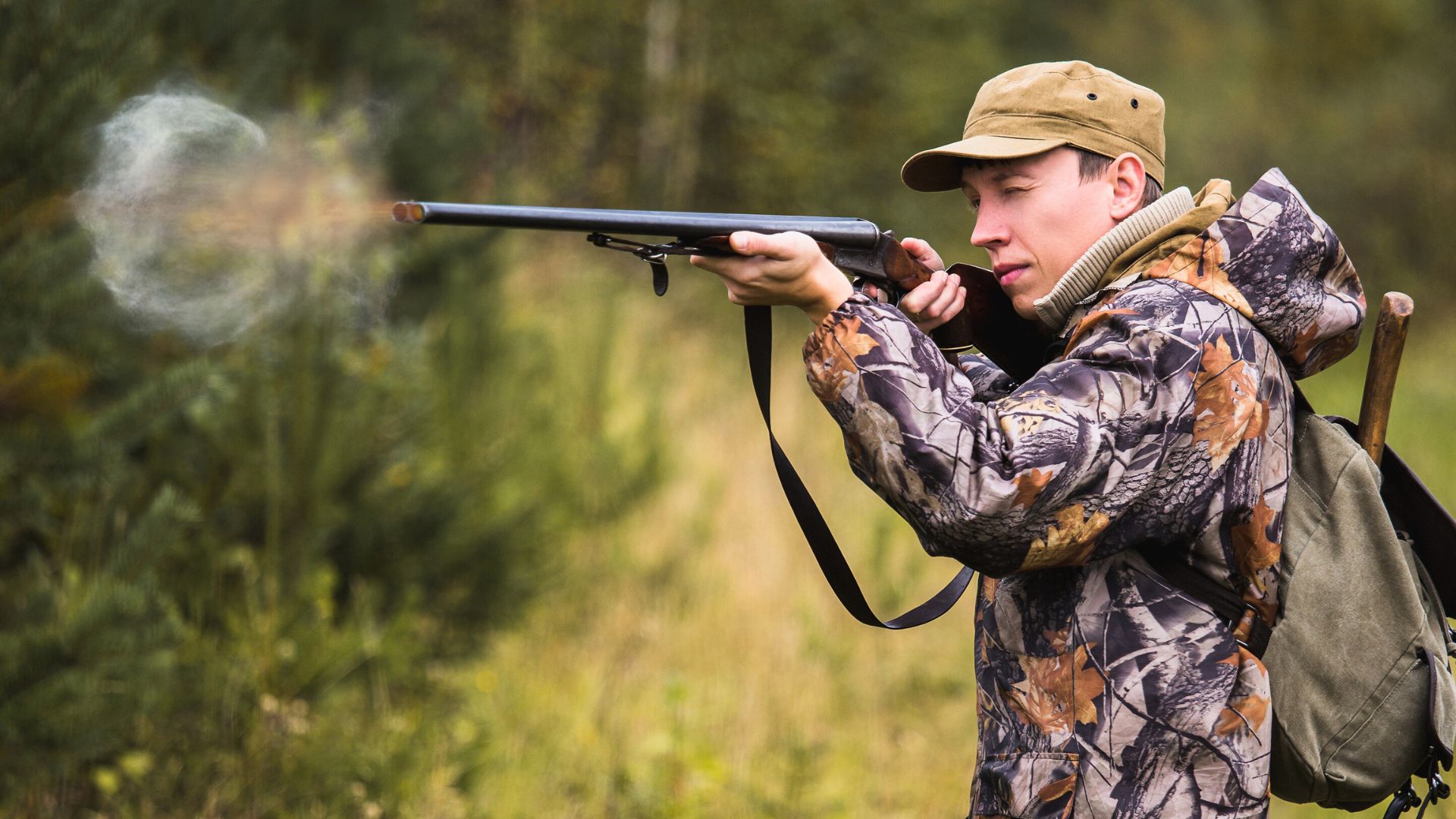
Every hunter talks about the first shot, but the second one is often the one that matters. When recoil, blast, or recovery time gets out of hand, even disciplined shooters lose sight pictures, footing, and rhythm. Some calibers make it harder to stay in the scope, harder to cycle the bolt, and harder to confirm what just happened downrange. That doesn’t make them useless, but it does mean they demand more than most field situations allow. These are cartridges that hit hard, sometimes too hard, and often slow you down when speed and control matter most.
.300 Winchester Magnum

The .300 Win. Mag. delivers reach and authority, but it rarely lets you stay glued to the scope. Sharp recoil lifts the rifle, and muzzle blast disrupts follow-through even for experienced shooters.
After the shot, you often lose the animal in the glass, especially from field positions. Cycling the bolt feels rushed, and regaining sight picture takes time. It’s manageable from a bench, but real hunting positions expose how much the cartridge interrupts rhythm when a second shot is needed quickly.
.338 Winchester Magnum
The .338 Win. Mag. hits with authority that few argue with, but recoil comes fast and heavy. Even well-fitted rifles push shooters off target.
Follow-up shots suffer because the rifle jumps, your cheek weld breaks, and your eyes lose the animal. Bolt lift can feel abrupt under recoil. It works best when one shot is all you plan for, because getting back on target takes more effort than most calibers hunters actually need.
.375 H&H Magnum
The .375 H&H is controlled power, but power still has consequences. Recoil rolls instead of snaps, yet it moves you enough to slow recovery.
Staying on target after firing is difficult unless you’re practiced with heavy rifles. Scope picture disappears, and cycling the action demands deliberate movement. In dangerous game settings that’s expected, but on plains game or elk, the cartridge complicates fast correction when the first shot isn’t perfect.
.45-70 Government (Hot Loads)
Modern .45-70 loads push performance well past the cartridge’s original role. The tradeoff is recoil that shoves rifles upward and rearward.
Follow-up shots become slower as you recover balance and reacquire the target. Lever guns add cycling movement that breaks cheek weld. When loaded hot, the cartridge asks more of the shooter than its trajectory or range advantages justify for most big-game situations.
7mm Remington Magnum

The 7mm Rem. Mag. carries velocity and flat trajectory, but recoil and blast still interrupt follow-through. Lightweight rifles make it worse.
After the shot, scope picture often vanishes. Muzzle jump and concussion delay confirmation of impact. While recoil isn’t brutal, it’s sharp enough to complicate fast second shots from kneeling or prone, especially when adrenaline shortens your patience.
.300 WSM
The .300 WSM delivers magnum performance in shorter actions, but recoil comes quicker and sharper than many expect.
That abrupt impulse disrupts sight picture and slows bolt manipulation. Hunters often notice they lose visual contact with the animal after firing. The cartridge works well on paper, but real-world follow-up shots take longer than with milder .30-caliber options.
.28 Nosler
The .28 Nosler brings speed and range, along with blast that rattles shooters. Muzzle rise and concussion interrupt shooting rhythm.
Follow-up shots demand re-centering the rifle and regaining composure. Even with brakes, noise and movement slow recovery. It’s effective at distance, but when a second shot is needed fast, the cartridge complicates things more than its performance advantages offset.
.50 Beowulf
The .50 Beowulf hits hard at close range, but recoil is abrupt and disruptive. Semi-auto platforms still move significantly under fire.
Staying on target after the shot is difficult. Sight picture breaks, and recovery takes longer than expected. Follow-up shots exist, but they aren’t fast or smooth compared to smaller big-bore options better suited for repeat accuracy.
.458 SOCOM

The .458 SOCOM emphasizes mass over speed, and recoil reflects that. Even in heavier rifles, muzzle movement is pronounced.
Follow-up shots slow as the rifle settles back into position. Cycling feels heavy, and reacquiring targets takes effort. The cartridge works inside its niche, but it complicates fast corrections when animals move or don’t react as planned.
.450 Bushmaster
The .450 Bushmaster delivers straight-wall authority with noticeable recoil and lift. Lightweight rifles exaggerate the effect.
After firing, shooters often lose their sight picture entirely. Recovery time stretches longer than expected, and quick second shots feel rushed. It works at close range, but follow-up accuracy suffers when speed and control are required.
.308 Winchester in Ultra-Light Rifles
The .308 isn’t harsh on its own, but put it in a very light rifle and the story changes. Recoil becomes abrupt and disruptive.
Follow-up shots suffer because the rifle moves more than expected. Sight picture disappears, and bolt manipulation feels less controlled. The cartridge gets blamed less than the platform, but the result is the same: slower recovery and reduced confidence on second shots.
.270 Winchester in Lightweight Mountain Rifles
The .270 Winchester is manageable, but in featherweight rifles recoil becomes sharper and more distracting.
After the shot, muzzle rise breaks visual contact, and the rifle shifts in awkward ways. Follow-up shots aren’t impossible, but they demand extra time to settle back in. In mountain terrain, that delay matters more than most hunters expect.

Asher was raised in the woods and on the water, and it shows. He’s logged more hours behind a rifle and under a heavy pack than most men twice his age.


