Emergency national security meeting called after attack on U.S. aircraft
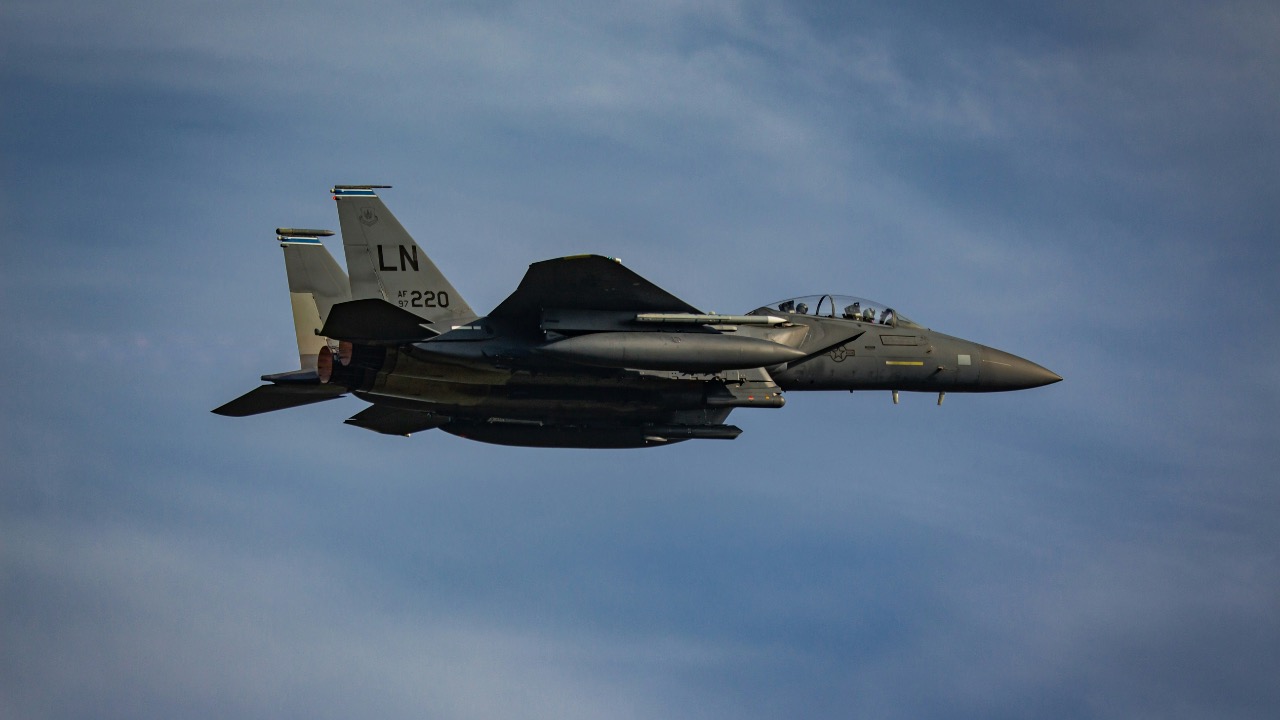
You watch these headlines unfold and feel the weight of how quickly things can shift in a region already on edge. The war with Iran, which began with major U.S. and Israeli strikes at the end of February, has now entered a phase where American forces face direct losses in the air. Reports confirm that Iranian defenses shot down at least two U.S. military aircraft in separate incidents on Friday. One was an F-15E Strike Eagle fighter jet over southwestern Iran. A second aircraft, described in some accounts as an A-10 attack plane, was also hit around the same time near the Strait of Hormuz area. Crew members ejected in both cases. One pilot was recovered quickly, but the search for another service member stretched into risky territory inside Iran.
This development prompted President Trump’s national security team to gather at the White House for urgent discussions. The meetings focused on the immediate search-and-rescue efforts, ongoing military operations, and how to handle the broader escalation. You see the human side here—service members operating far from home, facing real dangers as the conflict stretches into its fifth week. Officials have described intense coordination involving special operations forces, intelligence assets, and air support to locate and extract the missing airman, who was eventually rescued after evading capture in rugged terrain.
The Context of the Aircraft Losses
You look at the timeline and notice how the war started with overwhelming U.S.-Israeli airstrikes aimed at Iranian leadership, nuclear-related sites, missile capabilities, and naval assets. Those initial operations on February 28 reportedly killed Supreme Leader Ali Khamenei and several senior figures. Iran responded with waves of missiles and drones targeting Israel and U.S. interests across the Gulf. For weeks the exchanges continued, with the U.S. conducting thousands of sorties to degrade Iranian air defenses and military infrastructure.
Then came Friday’s losses. The F-15E went down during a combat mission inside Iran, marking the first acknowledged American combat aircraft lost to enemy fire in this phase of the fighting. Iranian state media claimed responsibility and even suggested bounties or captures. U.S. forces launched a complex rescue that involved Delta Force, SEAL Team 6, deception tactics from intelligence agencies, and heavy air cover. One crew member was brought out earlier; the second, a seriously injured colonel, was located after hiding and signaling for help. Both were recovered and moved to safety in the region.
These incidents highlight the persistent ability of Iranian air defenses to pose threats even after weeks of sustained strikes. You understand why planners treat every mission with caution—terrain, remaining surface-to-air systems, and the fog of real-time combat all play roles.
What the National Security Meetings Covered
You sit with the knowledge that these White House gatherings bring together key figures from defense, intelligence, and foreign policy. Discussions centered on assessing the downings, evaluating damage to U.S. operations, and deciding next steps in the campaign. President Trump has publicly stated that core objectives—reducing Iran’s missile and drone threats, limiting its naval reach, and preventing nuclear advances—remain the focus.
The meetings also addressed the rescue operation’s success and the risks involved in operating deep inside hostile territory. Search efforts required dozens of aircraft and hundreds of personnel at times. Officials noted that two additional U.S. aircraft were destroyed by friendly forces during the mission after they became stuck or compromised on the ground. No U.S. personnel were lost in the rescue itself, which stands as a notable outcome given the circumstances.
Broader strategy talks likely touched on the Strait of Hormuz, where Iran has threatened shipping and energy flows. Disruptions there affect global oil markets and raise concerns about wider economic ripple effects. You see how one aircraft incident can pull senior leaders back into emergency sessions to weigh military options against diplomatic and regional stability factors.
Iranian Retaliation and Regional Spillover
You follow the pattern of Iranian responses and see they have extended beyond direct strikes on U.S. and Israeli targets. Missiles and drones have hit areas in Gulf states hosting American bases, causing casualties and infrastructure damage in places like Kuwait and the UAE. Proxies and allied groups have added pressure through additional attacks in Lebanon and elsewhere.
In the air domain, Iran’s claims of downing U.S. planes signal their intent to contest American dominance despite heavy losses to their own systems. U.S. officials maintain that air superiority has been largely established, with thousands of successful flights completed. Still, isolated successes by Iranian defenses remind everyone that the conflict carries ongoing costs.
Civilian impacts continue to draw attention. Strikes have affected populated areas, and retaliatory fire has reached urban zones across multiple countries. Humanitarian concerns grow as displacement rises and essential services face strain in several nations.
The Human and Operational Toll
You consider the people involved and recognize the personal stakes. American service members fly missions knowing the environment remains dangerous. Iranian forces operate under intense pressure from sustained bombing. Families on all sides wait for news amid uncertainty.
The rescue of the downed crew members involved elite units trained for exactly these scenarios. Reports describe the missing airman navigating mountains alone before activating a beacon. Special operations teams moved in under cover of supporting strikes to complete the extraction. Such operations test coordination across branches and agencies.
On the broader military side, the U.S. has reported significant degradation of Iranian capabilities—naval vessels sunk, missile production sites hit, and leadership structures disrupted. Yet officials acknowledge that some targets remain and that the campaign could extend further if needed.
Looking Ahead in a Fluid Conflict
You watch for signs of how this evolves. President Trump has indicated that major objectives could wrap up in coming weeks, with continued pressure applied in the meantime. Discussions in national security circles likely include options for de-escalation pathways, though public statements emphasize resolve.
International reactions vary. The UN Security Council has held emergency sessions on the wider Middle East situation. Concerns focus on preventing the fighting from spreading further or drawing in additional actors. Energy markets and global trade watch developments around key waterways closely.
For you as someone following these events, the aircraft losses and resulting meetings underscore a basic reality: even in a conflict where one side holds clear advantages in technology and reach, setbacks can occur and demand immediate high-level attention. The situation remains dynamic, with each day bringing new details from the field and from decision rooms in Washington.

Asher was raised in the woods and on the water, and it shows. He’s logged more hours behind a rifle and under a heavy pack than most men twice his age.