Former special forces soldier accused in alleged $1.5 million mercenary operation
You probably did not expect to read about a former U.S. Army Special Forces operator being sued in a San Diego federal court for allegedly heading up a paid assassination program in Yemen. Yet that is exactly what a civil complaint filed by Yemeni lawmaker Anssaf Ali Mayo claims happened. The suit, unsealed in the past week, names Abraham Golan as a central figure. It accuses him and others tied to a short-lived private military company called Spear Operations Group of carrying out targeted killings on behalf of the United Arab Emirates for big monthly payments.
The story pulls back the curtain on how private contractors with elite military backgrounds reportedly stepped into sensitive operations during the Yemen conflict. Golan, who holds dual Israeli-Hungarian citizenship, along with former Navy SEAL Issac Gilmore and former Special Forces member Dale Comstock, face allegations that they ran a unit paid $1.5 million per month plus performance bonuses. Mayo says he survived one such attempt on his life and is now seeking accountability through the U.S. courts.
The Lawsuit and Its Core Claims
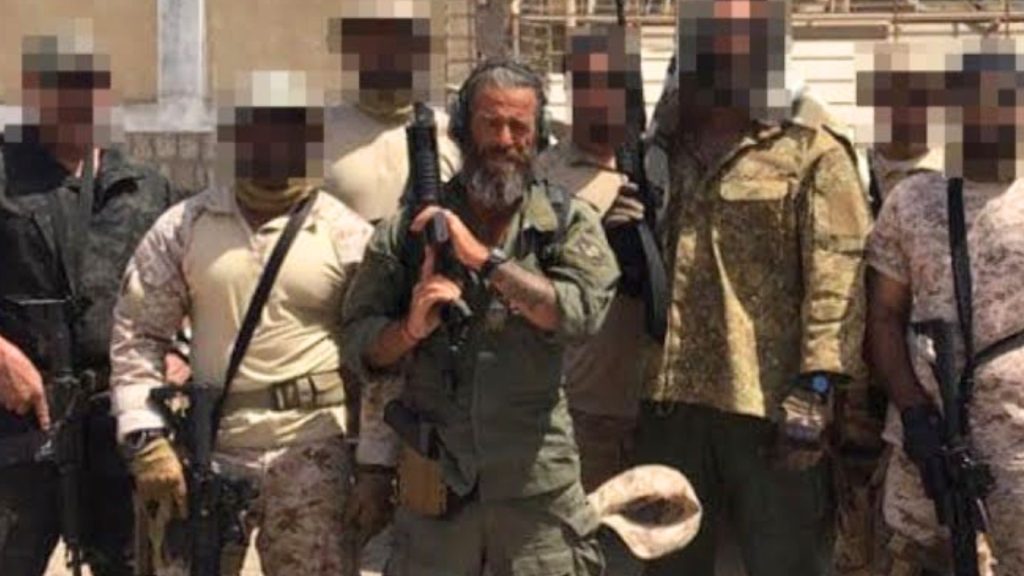
You see the complaint painting a picture of a deliberate arrangement. Spear Operations Group formed in 2015 in the San Diego area. According to the filing, Golan and Gilmore pitched the UAE on providing “targeted assassinations” inside Yemen. The deal supposedly came together during a lunch at an Italian restaurant inside a UAE military officers’ club in Abu Dhabi, with Mohammed Dahlan—a former Palestinian security chief—helping broker it.
The monthly fee of $1.5 million was not the end of it. The suit says bonuses kicked in for each successful hit. Operators on the ground reportedly received around $40,000 a month plus extra for results. Mayo alleges that one operation aimed at him in 2015 involved a bombing that he narrowly escaped. He claims the actions amount to war crimes and crimes against humanity, and he wants the court to hold the named individuals responsible.
Background on Abraham Golan
You might wonder who Abraham Golan actually is. Court documents and earlier reporting describe him as a former U.S. Army Special Forces commando. He later built a career in private security and contracting work. The lawsuit positions him as the founder and driving force behind Spear. It says he coordinated much of the activity from a large home in an upscale San Diego suburb.
Golan has not publicly commented in detail on the new filing, but past statements attributed to him and his colleagues acknowledged involvement in Yemen operations. The complaint quotes admissions about running a sanctioned assassination program as part of the broader UAE-led efforts in the coalition fighting in Yemen. Those words now sit at the center of Mayo’s legal case.
How the Operation Reportedly Worked
You can picture the setup from the details laid out. Once the agreement was in place, the group recruited other former U.S. military personnel with special operations experience. The suit mentions a 23-person target list that operators received—cards with names and faces of individuals the UAE wanted removed. Some targets were described as political opponents or people who had fallen out of favor with Emirati leadership.
The team allegedly operated inside Yemen as part of the larger conflict that began escalating around that time. Payments flowed monthly, and the complaint claims the arrangement continued even after some missions, including the one targeting Mayo, did not go as planned. Spear itself was dissolved in 2018, but the allegations have lingered and now surfaced in this civil action.
The Role of Former Navy SEAL Issac Gilmore
You cannot talk about this without looking at Issac Gilmore’s part. A former Navy SEAL, he served as chief operating officer for Spear according to the lawsuit. Gilmore is named as a defendant alongside Golan and Comstock. The filing says he helped run the day-to-day side of the alleged killing program and admitted to its existence in earlier contexts.
Gilmore reportedly told investigators or others that the team did not spend much time questioning the target list. If someone appeared on it, the job moved forward. That attitude, if proven, raises questions about oversight and the blurred lines between state-directed actions and private mercenary work.
Dale Comstock and the Ground Team
You also hear about Dale Comstock in the documents. Another former U.S. Army Special Forces soldier, he allegedly helped lead operators on the ground and received the standard high monthly pay plus bonuses. The suit claims he participated in the recruitment and execution phases of the program.
Having multiple elite veterans involved made the unit more capable, at least on paper. Yet it also brings sharper scrutiny because these were Americans with specialized training now accused of working as hired assassins for a foreign government inside a complex war zone.
Funding and the UAE Connection
You probably notice the money trail points straight to the United Arab Emirates. The royal family and government there were deeply involved in the Yemen conflict, supporting forces against the Houthis and others. The lawsuit alleges the assassination program was funded directly by the UAE as a way to eliminate political threats and opponents.
A $1.5 million monthly retainer plus bonuses represents serious cash, even by private military standards. It suggests the UAE saw high value in outsourcing these specific missions to experienced Western operators rather than relying solely on their own forces. The complaint ties the funding and direction back to Emirati leadership.
Broader Questions About Private Military Contractors
You step back and the story touches on something larger than one lawsuit. Private military companies have grown in influence over the past few decades, often filling gaps where governments prefer distance or deniability. Cases like this one highlight the risks—questions of accountability, legal jurisdiction, and whether such work crosses into illegal territory under U.S. or international law.
Mayo’s filing in a California court tries to bring some of that accountability home. It remains to be seen how the defendants will respond and whether the case moves forward with discovery that could reveal even more documents or testimony. For now, it stands as a public reminder of how elite military skills sometimes find their way into shadowy paid operations abroad.

Asher was raised in the woods and on the water, and it shows. He’s logged more hours behind a rifle and under a heavy pack than most men twice his age.