EPA Chief Vows to Follow Supreme Court Precedent After Chevron Doctrine Is Overturned
The head of the Environmental Protection Agency has said the agency will follow Supreme Court precedent after the overturning of the Chevron doctrine, a major shift in how federal regulatory power is interpreted. The ruling changes how much deference courts give to agency interpretations of ambiguous laws.
For decades, the Chevron doctrine allowed agencies like the EPA to interpret unclear statutes with relatively broad authority. With that framework now gone, federal agencies are expected to face closer judicial scrutiny when setting and enforcing regulations, especially in environmental policy.
What the Chevron doctrine decision changes
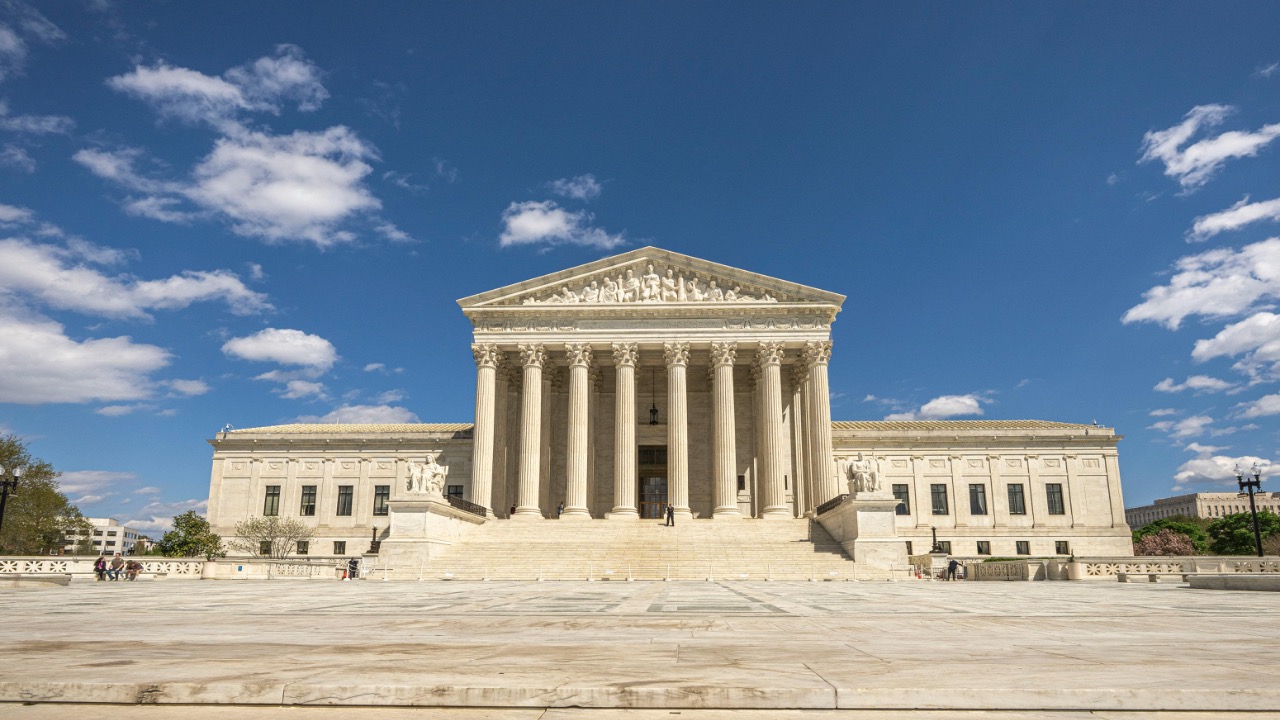
The Supreme Court’s decision to overturn the Chevron doctrine marks a significant shift in administrative law. It means courts, rather than federal agencies, will have the final say on interpreting unclear laws passed by Congress.
For the EPA, this could affect how rules are written and defended in court. Regulations tied to emissions, water standards, and climate-related policies may now face more frequent legal challenges, since agencies can no longer rely on automatic deference from judges when interpreting legislation.
EPA response and legal positioning
In response to the ruling, the EPA chief emphasized that the agency will continue operating within the bounds of Supreme Court precedent. The statement reflects an effort to signal stability and continuity despite a major change in legal structure.
Internally, agencies like the EPA are expected to review ongoing and planned regulations to ensure they can withstand judicial review. That may include rewriting parts of rules or providing more detailed legal justification for how each regulation aligns with congressional intent.
Impact on environmental regulations
The end of Chevron deference could slow down how quickly environmental regulations are developed and enforced. Agencies may now need to provide stronger legal backing for every major policy decision, knowing courts will not automatically defer to their expertise.
Supporters of the ruling argue this restores balance by limiting bureaucratic power and putting interpretation back in the hands of judges. Critics worry it could lead to inconsistent rulings across different courts and make it harder for agencies to respond quickly to environmental challenges.
Broader implications for federal agencies
The impact of the decision goes beyond the EPA. Other federal agencies, including those overseeing health, labor, and financial regulations, will also need to adjust how they interpret and enforce laws.
This shift could lead to more litigation overall, as regulated industries challenge agency rules more frequently in court. It also increases the importance of Congress writing clearer legislation, since ambiguity will no longer default to agency interpretation.
What happens next
In the near term, agencies are expected to reassess existing regulations and prepare for a more active role by the courts in reviewing their decisions. Legal teams across the federal government are likely to become more involved in policy design from the beginning stages.
Over time, the full impact of the ruling will depend on how lower courts apply it and how Congress responds. For now, the EPA’s commitment to follow Supreme Court precedent signals an adjustment period rather than an immediate overhaul of environmental policy.

Leo’s been tracking game and tuning gear since he could stand upright. He’s sharp, driven, and knows how to keep things running when conditions turn.