The outdoor skills people are losing faster than they realize
You don’t lose outdoor skills all at once. They slip a little at a time—quiet, almost unnoticed—until one day you realize you’re leaning on gear or apps for things you used to handle on instinct. Convenience has filled in the gaps, and over time, it’s replaced knowledge that used to be passed down, practiced, and trusted.
Out in the field, that matters. Batteries die. Signals drop. Weather turns. When that happens, you fall back on what you know—not what you can download. Here are the outdoor skills people are losing faster than they realize, whether they want to admit it or not.
Navigating Without a Screen
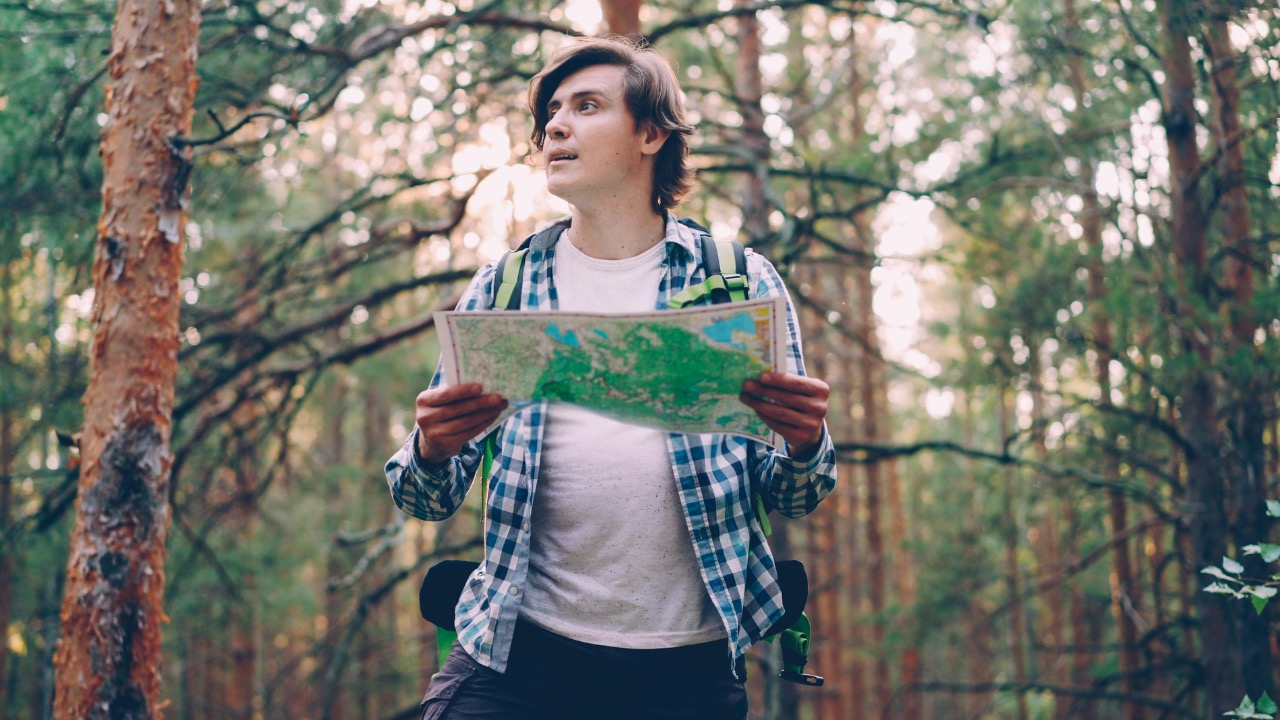
You can get just about anywhere now with a phone in your pocket. Mapping apps track your every move, reroute you when you drift, and keep you pointed in the right direction. The problem is, most folks stop paying attention once that blue dot shows up.
When the battery dies or you lose service, things get shaky fast. Reading terrain, understanding direction, and keeping a mental map aren’t habits anymore. A paper map and compass don’t do you any good if you don’t know how to use them. And that skill fades quick when you stop practicing it.
Building a Fire in Bad Conditions
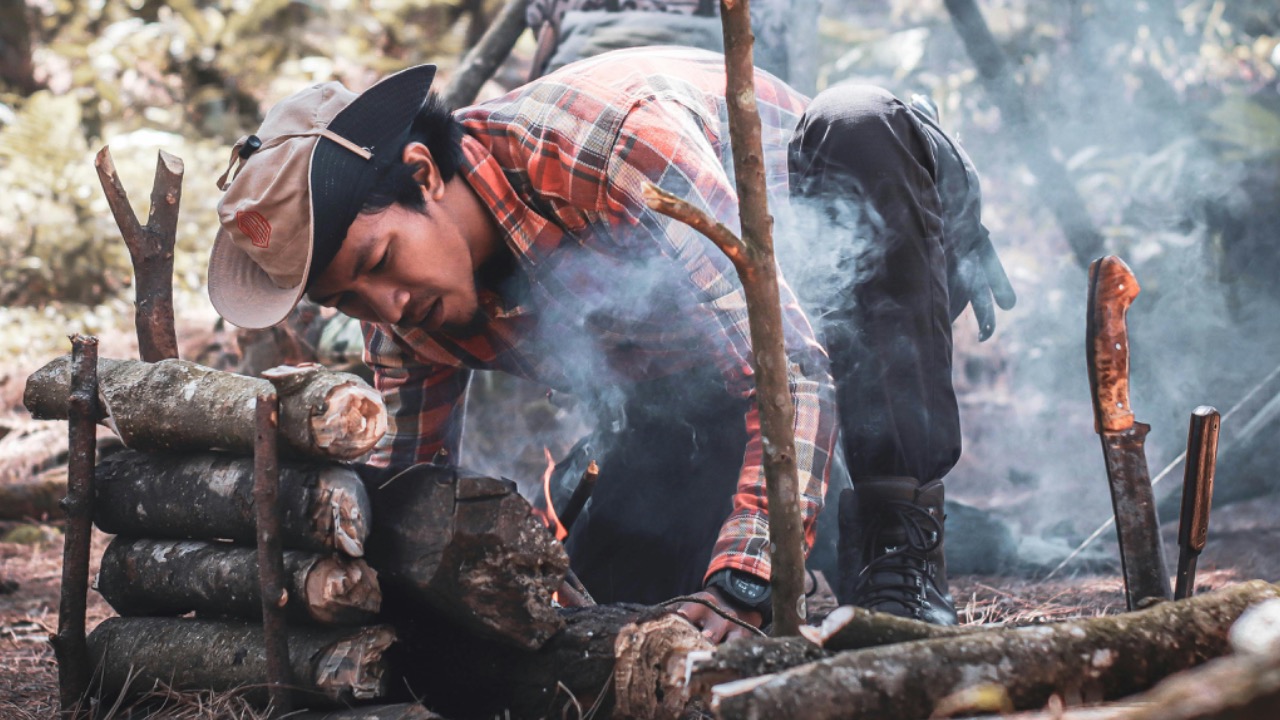
Starting a fire with dry wood and a lighter is one thing. Getting one going in wind, rain, or damp timber is something else entirely. A lot of people don’t spend time learning how to find dry material when everything around them is wet.
It takes patience and a feel for what burns and what doesn’t. You learn where to look—under bark, inside deadfall, off the ground. Without that experience, you end up with a pile of smoke and frustration. Fire building used to be a baseline skill. Now it’s something people assume their gear will handle.
Reading the Weather Without an App
Weather apps are accurate enough most of the time, and that’s made people stop looking at the sky. But conditions can change faster than a forecast updates, especially in the backcountry.
Cloud movement, wind shifts, pressure changes—you can read all of it if you know what you’re looking at. That awareness gives you a head start before things turn. Without it, weather feels like it comes out of nowhere. It doesn’t. You’re just not seeing the signs early enough anymore.
Field Dressing Game Properly
There was a time when learning to break down an animal in the field was standard. Now, fewer hunters get hands-on experience early, and it shows.
A clean field dress takes more than a sharp knife. You need to know where to cut, how to avoid contamination, and how to work efficiently before heat sets in. When that knowledge isn’t there, meat gets wasted. It’s one of those skills you can’t fake when the moment comes—you either know it or you don’t.
Tying Reliable Knots Without Thinking
Knots are one of those things people assume they remember—until they don’t. You’d be surprised how many folks hesitate when it’s time to secure a load, hang a tarp, or rig a line.
A few solid knots cover most situations, but they need to be second nature. If you’re stopping to think through each step, you haven’t used them enough. Rope work used to be muscle memory. Now it’s something people look up on their phones, which doesn’t help much when you’re standing in the rain with cold hands.
Moving Quietly Through the Woods
You can tell who’s spent time in the woods by how they move. Quiet movement isn’t luck—it’s learned. Foot placement, pace, awareness of what’s under you—it all matters.
A lot of people walk like they’re on a sidewalk, snapping sticks and brushing through cover without thinking. That might not matter on a casual hike, but it does if you’re hunting or trying to observe wildlife. Moving quietly takes practice, and without it, you stand out more than you realize.
Sharpening a Knife by Hand
A dull knife slows everything down, whether you’re processing game or cutting cord. Plenty of folks carry good blades, but fewer know how to keep an edge without a guided system.
Hand sharpening takes a steady angle and a feel for the steel. It’s not complicated, but it does take repetition. Without that, people either avoid sharpening altogether or rely on tools they don’t always have with them. A sharp knife used to be a given. Now it’s hit or miss.
Identifying Edible and Useful Plants
There’s a growing interest in foraging, but real knowledge is still thin. Knowing a handful of plants isn’t the same as understanding what’s safe, what’s useful, and what to leave alone.
That kind of knowledge comes from time and careful learning, not guesswork. Mistakes carry real consequences. In the past, this was practical information tied to survival. Today, it’s often treated like a hobby. Without depth, it’s easy to get overconfident, and that’s where people run into trouble.
Judging Distance and Terrain Accurately
Rangefinders and GPS units have taken over a lot of the guesswork, especially in hunting. The downside is people stop training their eyes.
Estimating distance, reading slope, and understanding how terrain affects movement used to be part of the process. Now, when the tools aren’t there, judgment is off. Shots get miscalculated. Routes take longer than expected. Your eyes can still do the work—but only if you’ve kept them sharp.
Basic Shelter Setup Without Modern Gear
Modern tents and shelters are efficient, but they don’t teach you much beyond setup instructions. If something fails or you don’t have it, a lot of people are out of options.
Building a functional shelter with what’s around you takes planning and awareness. You need to think about wind, drainage, and insulation. It’s not comfortable work, but it keeps you protected. Without that knowledge, you’re relying entirely on gear holding up, which isn’t always a safe bet.
You don’t need to master every old-school skill to spend time outdoors. But the more you let go, the more dependent you become on things that can fail. Skills don’t disappear overnight—they fade from lack of use. If you want them when it counts, you’ve got to keep them sharp.

Asher was raised in the woods and on the water, and it shows. He’s logged more hours behind a rifle and under a heavy pack than most men twice his age.