Estes Park mourns Split 5, a familiar figure in Colorado’s wildlife community
In Estes Park, the death of a single bull elk has hit people harder than some human obituaries. Split 5, also known as Atlas, was more than a big rack on four hooves, he was a daily presence in town and a living landmark for anyone who spent time around Rocky Mountain National Park. His killing by a hunter earlier this year has stirred up grief, anger, and a hard conversation about what we owe the wild animals we come to know almost like neighbors.
I have chased elk across a lot of Western country, and I know how rare it is for one bull to become a household name. Split 5 managed that, drawing photographers, tourists, and locals who could pick him out instantly from a herd of dozens. Now that he is gone, the people who watched him for years are trying to make sense of how a legal hunt could still feel like such a gut punch.
How Split 5 Became an Estes Park Icon
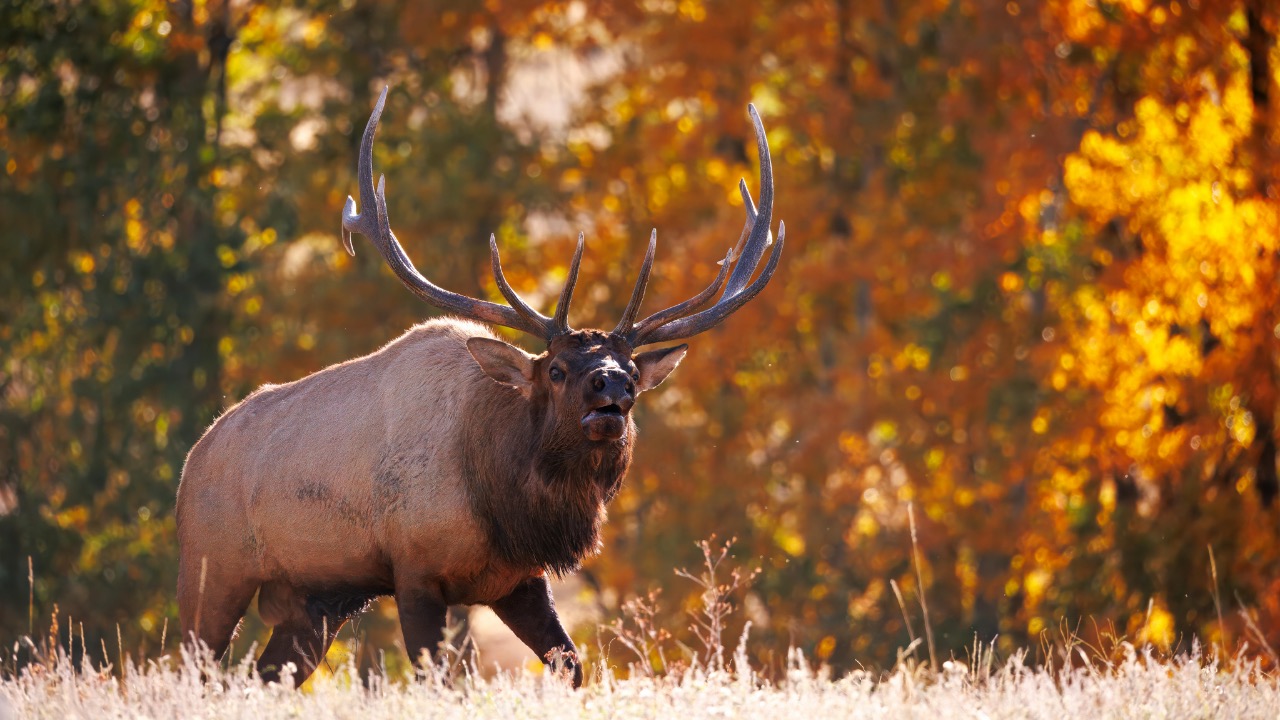
Split 5 did not earn his reputation overnight. For years he moved between the town of Estes Park and the entrance to Rocky Mountain National, where his heavy frame and distinctive antlers made him stand out even in a sea of bulls. Local shooter Jan Branum and others say there was Never a shortage of cameras when he stepped out of the timber, with some photographers driving hours just for a chance to catch him in good light near the Rocky Mountain National gateway, a routine that turned him into a fixture as much as any storefront or trailhead sign Branum.
His nickname came from the way his antlers split off the main beams, a quirk that made him instantly recognizable in photos and on social media. Over time, people started calling him the king of the Estes Park herd, and he lived up to it, dominating cows during the rut and drawing crowds that sometimes rivaled the human traffic downtown. One local tribute described him as One of, if not the most famous elk in Colorado, a bull whose presence helped define the character of Estes Park for visitors and residents alike Huge.
The Bull Behind the Name “Split 5”
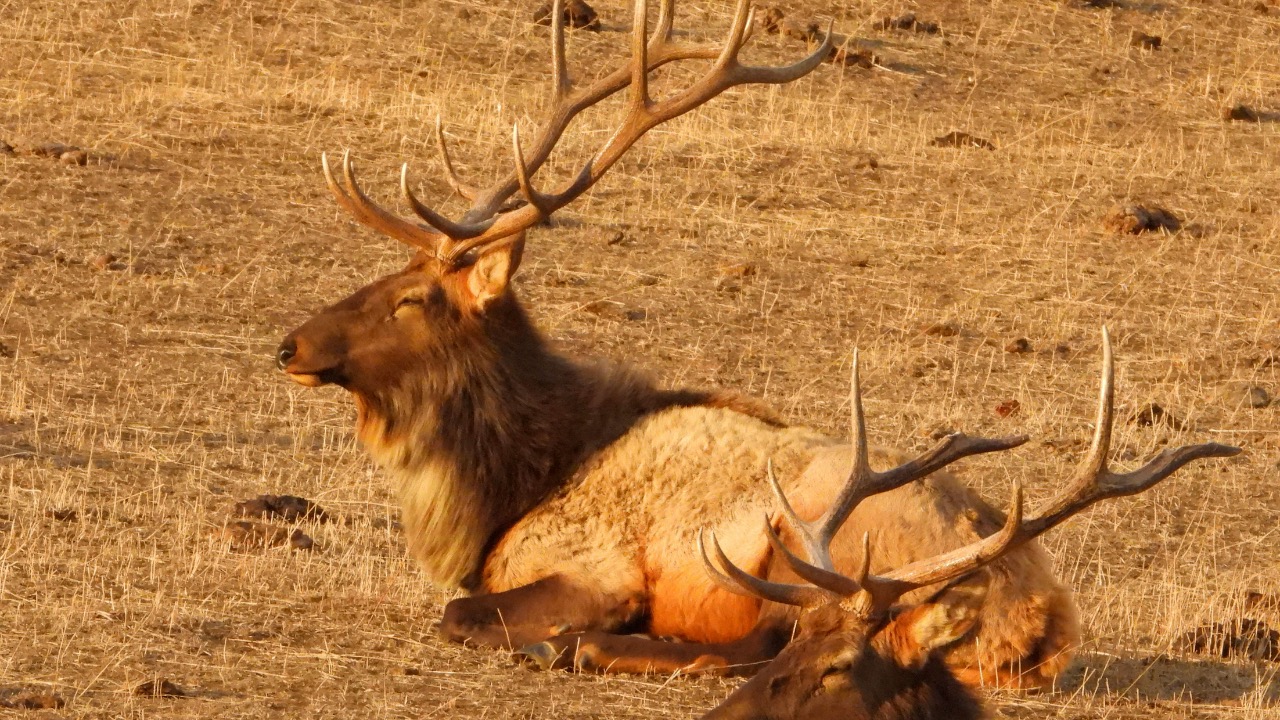
To understand why people cared so much, you have to picture the animal himself. Split 5 carried a massive frame and a rack that looked like it had been sketched by a kid who refused to stop adding tines. Experts who studied photos of him said the bull’s antlers had unique splits off his main antler beams, the kind of character that makes a bull instantly recognizable even from a long way off in the Estes Park valley Experts.
On social media, Split 5 also went by Atlas, a name that fit his thick neck and the way he seemed to carry the weight of the herd on his shoulders. One tribute account, 985kygo, called him One of, if not the most famous elk in Colorado and noted that a post about his death drew 197 reactions as people stopped scrolling long enough to Read and remember the bull they had watched for years Split.
A Legal Hunt With an Emotional Fallout
Earlier this year, the story took a hard turn. Reports out of northern Colorado confirmed that a hunter legally killed Split 5, the same bull that had spent years as a fixture of the Estes Park urban herd. Coverage of the kill described it bluntly, Hunter Kills Huge “Split 5” Bull Elk From Estes Park Urban Herd, and noted that news of the bull’s death spread fast among Fans who had followed his every move and were suddenly left staring at old photos instead of planning the next shoot Hunter Kills Huge.
From what has been reported, the bull may have been hunted at or near his wintering grounds outside of town, in country where he was no longer protected by the same watchful eyes that followed him through the streets. Wildlife coverage has stressed that the hunt was believed to be legal, but legality has not softened the blow for people who had come to see Split 5 as part of the community rather than a tag in a draw. The gap between what the law allows and what locals feel is right is at the heart of the reaction to the Bull Elk From Estes Park Urban Herd being taken by a hunter who likely knew exactly which animal he was after Bull Elk From.
Photographers Who Knew Him Best
Some of the sharpest grief is coming from the people who spent the most time behind the glass with Split 5 in the frame. Local shooter Jan Branum has followed the elk since 2019, logging countless mornings and evenings at the edge of Rocky Mountain National waiting for that familiar silhouette to step out. She says there was Never a shortage of cameras when he appeared, and that some photographers would travel hours to get to the entrance to Rocky Mountain National just for a chance at one more image of the bull they had come to know almost as a colleague Never.
Another photographer who has tracked Split 5’s activity for years has talked about what it meant to watch the same bull season after season, learning his patterns and quirks the way a hunter learns a favorite ridge. When word came that the bull may have been hunted at or near his wintering grounds, that photographer was among the first to Hear and share the news, turning a tight-knit circle of wildlife shooters into a kind of informal support group as they processed the loss of Split and the end of a chapter in their own work Hear.
Social Media, Atlas, and a Statewide Audience
Split 5’s reach went far beyond the Estes Park city limits. On Instagram, posts about Atlas carried hashtags like comorado, rmnp, and antlers, and they pulled in engagement from people who had never set foot in Colorado but felt like they knew the bull from their feeds. One memorial post from 985kygo described how One of the most famous elk in Colorado had reportedly been legally killed by a hunter, and the comment section filled up with people sharing their own photos and memories of seeing him during the rut season when he was at his most impressive 985kygo.
Those online tributes helped turn a local story into a statewide conversation. People who had only seen Split 5 in passing, or who knew him only as a viral bull on their phones, suddenly realized that the animal in all those photos was gone. The reach of those posts, and the way they framed Atlas as a shared resource for everyone who loves Colorado wildlife, added fuel to the debate over whether a bull with that kind of public profile should ever be fair game for a tag holder who sees him as a once in a lifetime trophy Colorado.
Community Tributes and Public Grief
On the ground in northern Colorado, the reaction has looked a lot like a small town mourning a local legend. A Colorado Tribute to Split Five Sad post on Facebook shared the news that Split Five, aka Atlas, had died, noting that the word came down from Rocky Mountain National Park on a Monday and that people across the region were sharing old photos and stories. The message closed with a simple “RIP Split Five, aka Atlas,” a line that captured how many locals saw him as more than a random bull passing through Colorado Tribute.
Another Colorado Tribute to Split Five Sad post echoed the same message, again tying his death to Rocky Mountain National Park and that Monday when the news broke, and again signing off with “RIP Split Five, aka Atlas” as if the bull were a fallen firefighter or coach instead of a wild animal. That kind of language tells you everything you need to know about how people in Estes Park and beyond saw him, not as a statistic in a harvest report but as a familiar presence whose absence leaves a real hole in the rhythm of their days Split Five Sad.
Hunters, Fans, and a Divided Reaction
Among hunters, the reaction has been complicated. On one hand, many see the taking of a giant, mature bull like Split 5 as the pinnacle of a tag holder’s career, especially when the hunt is legal and the meat is used. On the other hand, even some in the hunting community have admitted that this particular kill feels different, because the bull was part of an Estes Park urban herd that people had watched for years. Coverage of the story has noted that Fans are mourning the loss of the gigantic Split 5 bull elk, even as some hunters remain 100 percent supportive of the legal harvest and the idea that a tag is a tag regardless of how famous the animal might be Fans.
That split reaction is playing out in comment sections and around kitchen tables all over the West. Some argue that turning individual animals into celebrities is a slippery slope that undermines science based management, while others say that when a bull like Split 5 becomes part of the cultural fabric of a town, managers should treat him differently. The fact that this debate is happening at all shows how far the story has traveled since the first reports that Hunter Kills Huge “Split 5” Bull Elk From Estes Park Urban Herd, and how much weight people now put on the idea of shared ownership of wild animals that spend much of their lives on public view Split.
What Wildlife Managers Are Up Against
Behind the emotion, there is a hard management problem. Elk like Split 5 do not read boundary signs, they drift between Rocky Mountain National Park, where hunting is off limits, and surrounding areas where state regulations allow it. Reports on his death point out that the bull may have been hunted at or near his wintering grounds outside of town, a reminder that once an animal steps over an invisible line, the rules change even if the people watching him do not see that distinction at all The bull may.
At the same time, agencies are trying to balance herd health, hunter opportunity, and the growing economic value of wildlife viewing. Colorado’s wildlife community has been clear that it mourns the loss of the famous elk Split 5, an Estes Park icon, even as it continues to issue tags and manage populations across the region. That tension is not going away, and cases like this will only make it harder to draw clean lines between animals that are seen as resources and those that have, fairly or not, become something closer to local celebrities in the eyes of people who have followed the elk since 2019 Colorado’s wildlife community.
What Split 5’s Story Means Going Forward
For people who live and hunt in the Rockies, Split 5’s story is not just a one off tragedy, it is a case study in how modern wildlife stories unfold. A bull that once would have been known only to a handful of locals became a statewide figure through cameras, social media, and the steady stream of visitors pouring into Estes Park and Rocky Mountain National Park. When he died, the reaction was amplified by that same network, from the first Colorado Tribute to Split Five Sad posts to the longer reflections on what it means to lose an animal that had become part of the daily scenery Split Five.

Asher was raised in the woods and on the water, and it shows. He’s logged more hours behind a rifle and under a heavy pack than most men twice his age.