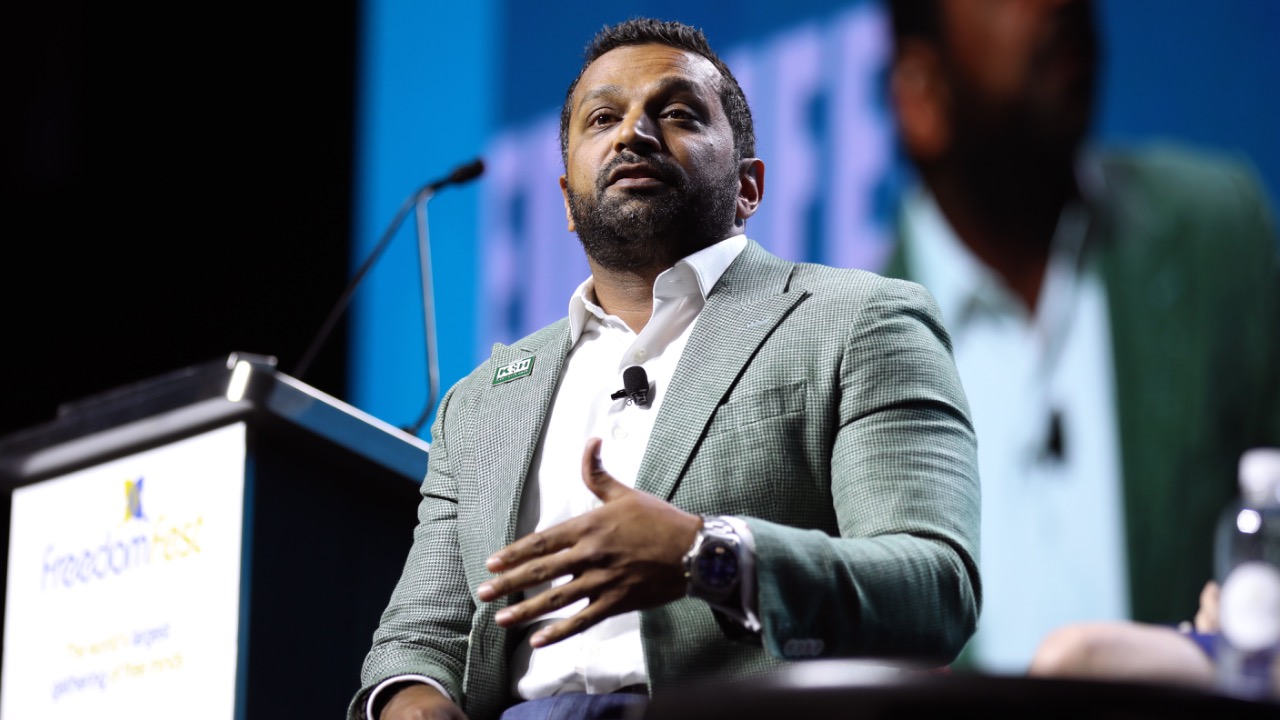
F.B.I. Director Kash Details Interagency Response to Assassination Attempt on President Trump and Administration Officials
On the evening of April 25, 2026, at the Washington Hilton, a gunman breached security during the White House Correspondents’ Association Dinner and opened fire, prompting the swift evacuation of President Trump and other officials. What could have escalated into a far deadlier incident was contained through immediate action by multiple agencies. In the days that followed, F.B.I. Director Kash Patel stepped forward to describe how federal, state, and local partners moved together under pressure.
You get a sense from Patel’s remarks of an operation that relied on years of joint training and real-time coordination rather than any single heroic moment. The response highlighted both the vulnerabilities that remain in high-profile events and the capacity of agencies to adapt when threats materialize close to protected principals.
The Immediate Scene at the Washington Hilton
Law enforcement officers on site reacted within seconds when shots rang out near the ballroom area. Secret Service agents moved President Trump and attending administration figures out of harm’s way while other personnel engaged the suspect, identified as 31-year-old Cole Tomas Allen of Torrance, California. Allen was taken into custody without further casualties among the guests or staff.
You notice how quickly the perimeter was secured and witnesses protected. FBI teams arrived shortly afterward to assume lead on evidence collection, including ballistics analysis. Mobile command centers helped manage the flow of information as the scene remained active into the night, ensuring no secondary threats lingered in the hotel or surrounding blocks.
Patel’s Account of Interagency Coordination
Director Patel publicly credited the United States Secret Service, Department of Homeland Security, and Metropolitan Police Department for their rapid intervention. He described a unified effort where each partner’s role aligned without noticeable friction, from initial containment to suspect transport. FBI agents supported by executing early search warrants tied to Allen’s movements.
You see in these statements an emphasis on preparedness paying off under stress. Patel noted that agents and officers acted exactly as trained, stopping what investigators believe was a deliberate plan targeting the president and senior officials. The coordination extended beyond Washington, with field offices activating resources across state lines almost immediately.
Suspect Background and Cross-Country Movements
Investigators traced Allen’s travel from California to the District of Columbia in the period leading up to the event. Evidence response teams examined items linked to him in multiple locations, including California and Connecticut, as part of building a clearer picture of his preparations. A manifesto-like document reportedly outlined intentions against Trump administration figures.
You pick up on the scale of the early investigative push. FBI personnel worked through the weekend without pause, piecing together timelines, communications, and physical evidence. This groundwork supported the swift filing of federal charges, including attempted assassination, that were announced within days.
Evidence Collection and Ongoing Investigation
FBI evidence technicians took control of ballistics review and scene documentation right after the incident stabilized. Agents fanned out to locations connected to Allen, gathering materials that prosecutors later used in court filings. The process involved standard forensic steps executed at an accelerated pace due to the case’s profile.
You understand why Patel highlighted the around-the-clock work. With public attention fixed on the event, the bureau moved to ensure the investigation remained thorough and insulated from outside pressure. Early charges against Allen represented only the starting point, with further details expected as analysis continues.
Lessons on Security Posture for Future Events
Patel indicated that security arrangements for the next Correspondents’ Dinner and similar gatherings would look noticeably different. Discussions with the White House, DHS, and Secret Service had already begun to adjust planning based on what occurred at the Hilton. The goal centers on tightening access points while preserving the event’s purpose.
You recognize the balance agencies must strike here. Heightened measures can deter threats, yet over-correction risks isolating public figures from necessary engagement. Patel’s comments suggest a collaborative review process rather than unilateral changes imposed from one department.
Broader Context of Threats to Public Officials
This incident marks another in a series of serious attempts against President Trump in recent years. Patel and other officials used the moment to underscore that political violence crosses lines regardless of ideology. The FBI continues monitoring related tips and patterns that could signal wider risks to elected leaders and staff.
You see how such events test institutional resilience. The response demonstrated effective partnership in the moment, yet it also renews focus on prevention—improving intelligence sharing, perimeter controls, and threat assessment before individuals reach the outer edges of protected spaces.
Public Messaging and Accountability
In briefings, Director Patel stressed that attacks on elected officials would face full federal consequences. He thanked law enforcement partners directly while reinforcing that the justice process would run its course transparently. Allen faces significant charges that could result in life imprisonment if convicted.
You feel the weight these statements carry for maintaining trust. By laying out the sequence of actions taken, Patel aimed to show competence and resolve without exaggeration. The interagency machinery functioned as designed, buying time for investigators to pursue every available lead.

Asher was raised in the woods and on the water, and it shows. He’s logged more hours behind a rifle and under a heavy pack than most men twice his age.