Can Modern Aircraft Carriers Really Be Sunk? Experts Weigh In
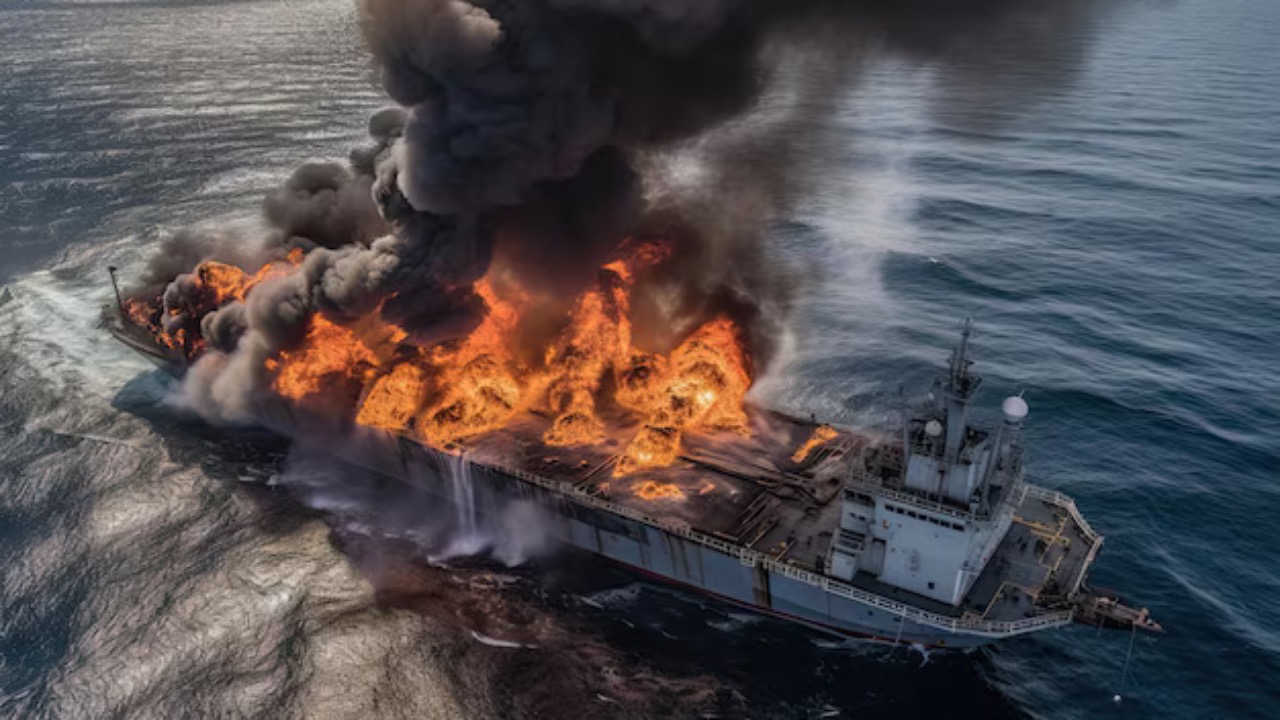
Modern aircraft carriers sit at the center of global power projection, yet they are also the focus of intense debate about whether they can survive against new generations of missiles, torpedoes, and drones. Supporters argue that 100,000-ton giants packed with layered defenses are practically unsinkable in combat, while critics point to hypersonic weapons and precision targeting that could overwhelm even the most advanced ship. The real answer lies between those extremes, in a mix of engineering resilience, evolving threats, and the political cost of losing such a symbol of national power.
To understand whether modern carriers can really be sunk, experts look at two intertwined questions: how hard it is to physically send a ship to the bottom, and how easy it is to knock it out of the fight. The history of U.S. Navy testing, the rise of hypersonic and anti-ship missiles, and the way carrier groups actually operate all shape that assessment. Taken together, they reveal a platform that is extraordinarily hard to kill outright but far from invulnerable.
Why carriers became symbols of dominance
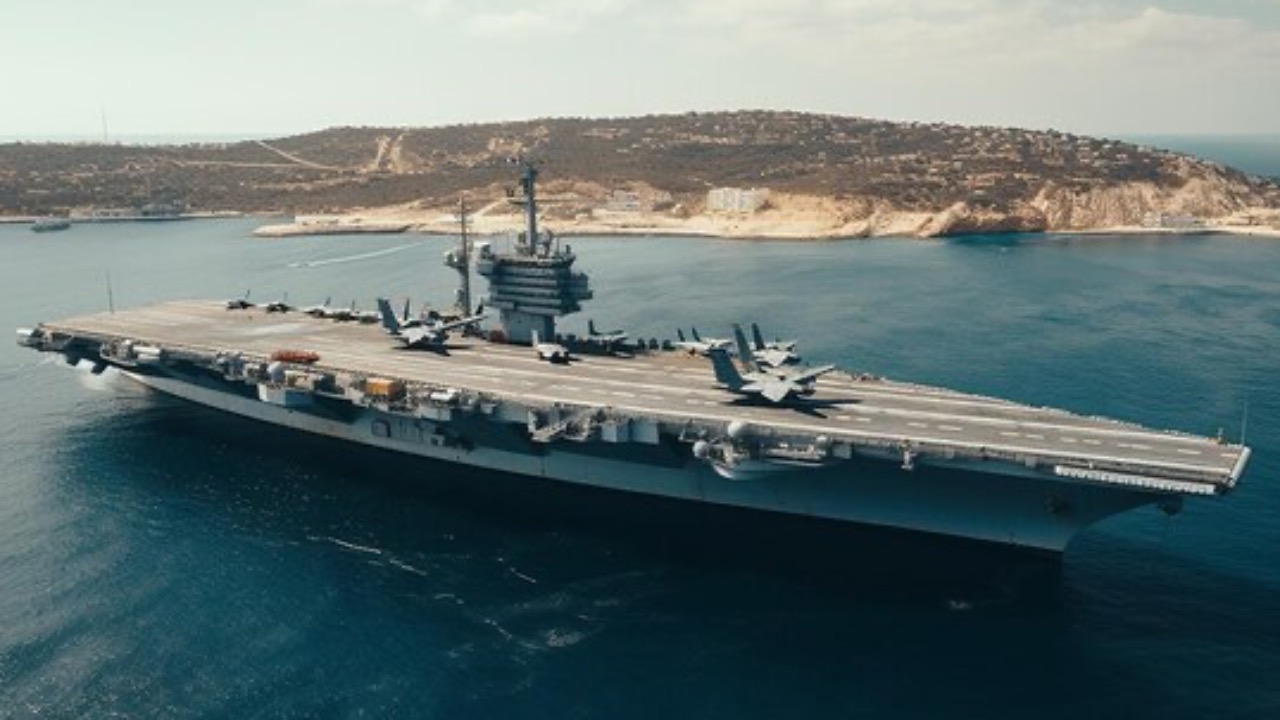
Aircraft carriers rose to prominence because they combine mobility, airpower, and persistence at sea in a way no other platform can match. When Americans think of these ships, they often picture floating airbases that can move thousands of miles, then launch fighters and strike aircraft to control skies and seas far from home, which is why analysts describe them as central to how the United States projects force and conducts offensive operations across key regions of the world. The modern carrier is also a political tool, since its arrival off a coastline signals commitment in a way few other military movements can match.
That symbolic role feeds directly into the argument over survivability. A single carrier hosts thousands of sailors and a large air wing, so its loss would be a human and strategic shock, not just a tactical setback. Critics like David Wise have argued that this concentration of assets makes carriers vulnerable to modern precision weapons, and that the myth of an invincible fleet can obscure real risks that adversaries such as China and others are actively trying to exploit. Supporters counter that only a handful of states have the technology and training to threaten a carrier group at all, and that U.S. doctrine and design choices reflect decades of planning against exactly those dangers.
Engineering a 100,000 ton ship to stay afloat
The physical structure of a modern carrier is the first reason experts hesitate to call it easy prey. Nuclear-powered giants such as the Nimitz class and the Ford class displace roughly 100,000 tons, with massive hulls divided into watertight compartments and extensive damage control systems designed to keep the ship afloat even if several sections flood. Videos that explain why 100,000-ton modern aircraft carriers like America’s nuclear-powered Nimtts or Fordclass giants are described as “truly unsinkable” in high-intensity combat highlight the sheer volume of steel, internal redundancy, and reserve buoyancy built into these ships, which give crews time to isolate damage and fight fires instead of watching the vessel capsize.
That design philosophy is rooted in hard experience. From World War II through the Cold War, carrier designers saw how torpedoes and bombs could rip open hulls, so they added armor around magazines and fuel stores, strengthened flight decks, and multiplied backup systems for power and steering. Modern U.S. Navy carriers are built with layered fire suppression, multiple pumps, and trained repair teams that can move quickly to shore up bulkheads or reroute power around damaged sections, which is why analysts emphasize that the strength of a U.S. aircraft carrier comes less from being indestructible and more from being able to absorb punishment and keep operating. The result is a ship that can take hits that would sink smaller combatants outright yet still remain afloat long enough for rescue or repair.
USS America and what it took to sink a retired carrier
The most vivid real-world test of carrier toughness came when the Navy deliberately sank the retired USS America as part of a protracted trial. According to detailed accounts, in 2005 a U.S. Navy aircraft carrier went to the bottom for the first time since the Second World War when USS America was finally scuttled, settling roughly 17,000 feet below the surface after weeks of carefully staged attacks. The Navy spent four weeks trying to send the ship under with a mix of explosives and weapons effects, and eventually had to resort to increasingly aggressive measures before the hull gave way, a process that left engineers with a trove of data on how a large carrier actually dies.
Those tests did not involve a full air wing, escorts, or active defenses, yet USS America still absorbed punishment that would have destroyed many other vessels. Analysts point to this experiment to argue that physically sinking a modern carrier is close to impossible for any adversary that cannot bring an overwhelming volume of fire to bear, especially when the ship’s crew is fighting to stay afloat. At the same time, the fact that the Navy ultimately did send USS America to the bottom shows that even heavily compartmented ships can be killed if attackers can repeatedly hit vital areas such as magazines, propulsion spaces, or structural joints, which is exactly what modern anti-ship weapons are designed to target.
Layered defenses and the carrier strike group shield
Modern carriers do not sail alone, and their escorts are central to any honest assessment of survivability. A U.S. carrier strike group typically includes guided-missile cruisers, destroyers, submarines, and logistics ships that extend the carrier’s eyes and weapons far beyond the horizon, creating a layered defense that starts with long-range surveillance and ends with point-defense guns near the hull. Analyses of how these groups operate describe overlapping rings of protection that rely on airborne early warning aircraft, ship-based radar, and fighter patrols to detect and shoot down incoming missiles before they can reach the carrier itself, which is why some experts argue that only a handful of countries can realistically threaten such a formation.
Within that shield, the carrier’s own systems add another layer. Modern Nimitz-class ships, for example, carry surface-to-air missiles, electronic warfare suites, and decoys designed to confuse or divert incoming weapons, while their air wings can launch fighters to intercept bombers or missile-carrying aircraft long before they enter firing range. Commentators who ask whether a U.S. Navy aircraft carrier can be sunk often stress that any attacker would first have to break this outer screen, then survive the response from the escorts, and finally deliver enough accurate hits to overwhelm damage control, which is why some assessments conclude that sinking a carrier outright would be close to impossible without a carefully coordinated salvo of many weapons arriving almost simultaneously.
What it would really take to kill a carrier
When naval analysts walk through a hypothetical attack on a carrier, they emphasize how many things must go right for the attacker and how many must go wrong for the defender. To get weapons on target, an adversary has to find the carrier in the open ocean, track it through time, and feed that data into a “kill chain” that culminates in missiles, torpedoes, or aircraft arriving at the right point, which is difficult when the target is moving at high speed and actively trying to hide. Detailed breakdowns of what it would really take to sink a modern aircraft carrier describe a scenario where dozens of anti-ship missiles or multiple submarine-launched torpedoes converge on the ship, exploiting gaps in radar coverage or overwhelming interceptors with sheer volume.
Even then, not every hit is equal. Analysts note that armor and compartmentalization can shrug off glancing blows or damage noncritical spaces, while a single lucky strike on a magazine or reactor space could have catastrophic effects. Some experts argue that a realistic attack would combine weapons, for example using land-based ballistic or cruise missiles to saturate defenses, then following up with submarine torpedoes aimed at the hull below the waterline, in order to maximize the chance of both crippling the flight deck and threatening buoyancy. Others point out that an adversary does not need to send the ship to the bottom at all, since a handful of well-placed hits that set fires on the flight deck or damage catapults could be enough to force the carrier to break off operations and seek repairs.
Hypersonic missiles and the China challenge
The rise of hypersonic weapons has reignited concern that carriers might be approaching the end of their dominance. Hypersonic missiles travel at between five and ten times the speed of sound, and some can maneuver during flight, which makes them harder to track and intercept than traditional ballistic or cruise missiles and compresses the time defenders have to react. Analysts who study Chinese capabilities warn that such weapons, if paired with accurate targeting from satellites, aircraft, or drones, could threaten carrier groups at long range by reducing the effectiveness of existing missile defenses and forcing U.S. ships to operate farther from contested coastlines.
Those concerns have reached the highest levels of the U.S. defense establishment. Reports quoting Defense Secretary Pete Hegseth describe him warning that Chinese hypersonic missiles could sink all U.S. aircraft carriers in minutes, a stark assessment that reflects both the raw speed of these weapons and the broader anxiety about People’s Liberation Army asymmetric warfare capabilities. Other experts are more cautious, arguing that hypersonics increase the risk but still face the same challenges of finding and tracking a moving carrier, while U.S. forces are already working on new sensors, interceptors, and electronic warfare tactics designed to blunt the threat, yet even they concede that the margin for error is shrinking as these systems mature.
Missiles, torpedoes, and the evolving kill chain
Hypersonics are only one part of a wider shift in how navies think about attacking large ships. Modern anti-ship missiles combine advanced propulsion, precision guidance, and sophisticated seekers that can home in on radar signatures or infrared emissions, while some are designed to fly low over the sea or pop up and dive onto the target to complicate defenses. Technical surveys of these weapons describe how attackers might use salvos of missiles from multiple platforms, including aircraft, surface ships, submarines, and even coastal batteries, to overwhelm a carrier strike group’s radar and interceptors by forcing them to track and shoot at dozens of incoming threats at once.
Below the surface, torpedoes remain a serious danger because they can strike under the armor belt and exploit the physics of water displacement to break a hull’s back. Commentators who focus on why torpedoes are so dangerous to aircraft carriers note that even a single under-keel explosion can cause massive structural damage by lifting and then dropping the ship, stressing joints and potentially opening large cracks. At the same time, submarines must still get close enough to fire, which is difficult against a group that uses helicopters, maritime patrol aircraft, and its own submarines to sanitize the waters ahead. The result is a cat-and-mouse contest where both sides are investing in quieter subs, better sensors, and more lethal torpedoes, with carriers as the ultimate prize.
“Unsinkable” in theory, vulnerable in practice
Supporters of carrier programs often describe these ships as virtually unsinkable in order to push back against arguments that they are obsolete targets. Some popular explainers go so far as to call 100,000-ton modern aircraft carriers like America, Nimtts, or Fordclass giants “truly unsinkable” in high-intensity combat, highlighting their size, armor, and damage control training as reasons an enemy would struggle to finish them off. That narrative resonates with the public and with lawmakers who see carriers as symbols of national strength, but it can also create a false sense of security about how these ships might fare against a determined, technologically advanced adversary.

Asher was raised in the woods and on the water, and it shows. He’s logged more hours behind a rifle and under a heavy pack than most men twice his age.