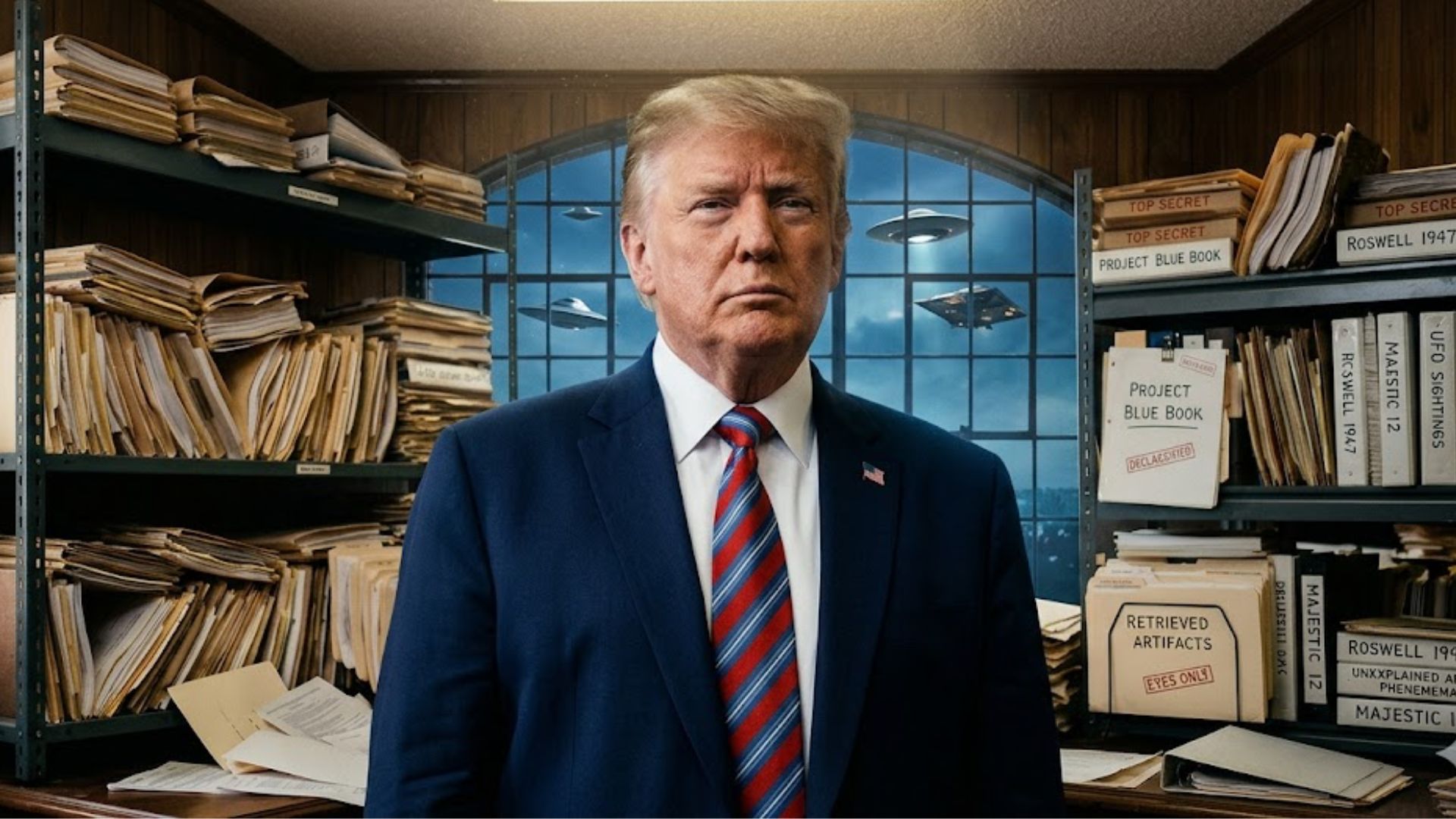
Trump Directs Defense Secretary to Release UFO Documents, Saying First Disclosures Are Imminent
President Donald Trump has stepped into a long-running public fascination with unidentified aerial phenomena. In recent weeks he confirmed that his administration is moving forward with the declassification of government records on UFOs and possible extraterrestrial activity. You see this as part of a broader pattern where political leaders respond to sustained citizen interest and past official reports that left many questions open. The process began earlier this year and now appears headed toward initial public releases.
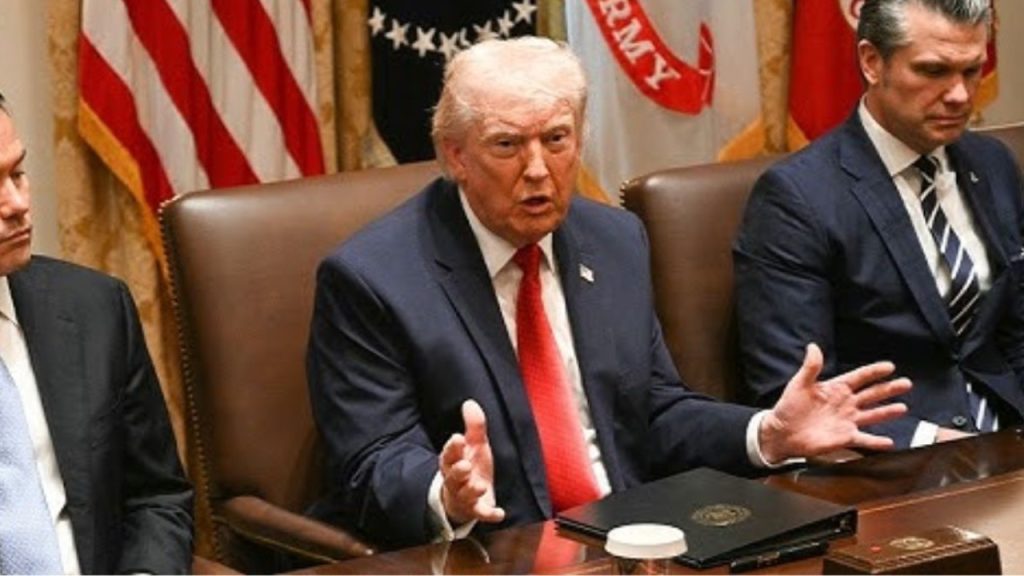
Trump’s comments at a Turning Point USA event in Phoenix on April 17 underscored the timeline. He noted that reviews under Defense Secretary Pete Hegseth had already turned up notable material. This development builds on directives issued in February, positioning the Pentagon as the central actor in preparing files for wider access.
The February Directive and Its Origins
You recall how Trump first signaled the push in mid-February through a Truth Social post. He instructed relevant agencies, including the Department of Defense, to start identifying and preparing records connected to alien and extraterrestrial life, unidentified aerial phenomena, and unidentified flying objects. The move came after public comments from former President Barack Obama that appeared to reference classified insights on the topic.
Officials framed the effort around strong public demand rather than any sudden internal discovery. Defense Department representatives indicated they would coordinate across agencies to consolidate existing collections. This approach aims to balance transparency with standard national security reviews that have governed past releases.
Details from Trump’s Recent Phoenix Remarks
At the Arizona gathering, Trump told the audience he had directed the Secretary of War—his term for the Defense chief—to advance the release process. He mentioned that the work was well underway and that examiners had come across many interesting documents. The president added that the first batches would arrive very soon, allowing people to examine the material themselves.
You notice the deliberate choice of venue and phrasing. Trump addressed a crowd known for engagement on these subjects, framing the announcement as something saved for that moment. His tone remained measured, avoiding firm conclusions about origins while emphasizing the value of letting the public review the records.
Role of Defense Secretary Pete Hegseth
Pete Hegseth, confirmed as Defense Secretary, oversees the practical side of this review. Reports indicate his department is working closely with the All-domain Anomaly Resolution Office and other entities to organize files. Hegseth has publicly stated the Pentagon will comply fully with the president’s instructions and has expressed openness to whatever the records might show.
This places Hegseth in a visible position. Previous Pentagon statements under earlier administrations stressed that most sightings had conventional explanations and found no evidence of extraterrestrial technology. The current process could test how much additional material survives classification hurdles.
Timeline and Expected First Releases
The review process gained momentum after the February order. By mid-April, Trump indicated that initial documents would surface in the near term. No exact date has been set, but the emphasis on “very, very soon” suggests weeks rather than months. You can expect batches focused on historical cases, sensor data, and investigative summaries.
Past declassifications, such as those from the Navy in 2019 and 2021, showed video footage of objects with unusual flight characteristics. This round may expand on those with broader context from intelligence and military archives spanning decades.
Historical Context of Government UFO Investigations
Government interest in these phenomena dates back to the 1940s and 1950s with projects like Sign, Grudge, and Blue Book. Most concluded with mundane explanations, yet a small percentage of cases remained unidentified. Modern efforts through the Advanced Aerospace Threat Identification Program and its successors followed similar patterns.
You see recurring cycles of attention driven by leaks, pilot reports, and congressional hearings. Recent years brought public testimony from military aviators describing objects that outperformed known aircraft. The current directive fits within this longer arc of incremental openness mixed with caution.
Potential Content and Limitations of the Releases
Anticipate that released files will include analyses of sightings, radar data, and internal memos. Officials have repeatedly noted the absence of proof for alien visitation in official assessments. National security redactions will likely remain, protecting sources, methods, and certain technologies.
The process invites scrutiny over what gets held back. Transparency advocates push for minimal censorship, while agencies cite risks of revealing capabilities. How the administration navigates these tensions will shape perceptions of the effort’s seriousness.
Public and Expert Reactions
Interest has surged since the announcements. Polls and online discussions show a mix of excitement and skepticism among observers. Some researchers who have long studied the topic view this as a positive step toward data access. Others caution that without rigorous context, the material could fuel speculation rather than clarity.
You encounter a range of views in commentary. Enthusiasts hope for paradigm-shifting revelations, while scientists stress the need for verifiable evidence. The coming releases will likely test whether more information reduces mystery or deepens it.
What This Means Moving Forward
The directive highlights how persistent public curiosity can influence policy at the highest levels. As initial documents emerge, expect further commentary from Trump and Pentagon leaders. Additional batches could follow based on early responses and review progress.
You watch for how Congress, the media, and independent analysts engage with the material. The episode underscores ongoing questions about aerial anomalies in an era of advanced sensors and global tensions. Whatever surfaces next will add another chapter to a story that has captivated attention for generations.

Asher was raised in the woods and on the water, and it shows. He’s logged more hours behind a rifle and under a heavy pack than most men twice his age.