Calibers That Everyone Argues About… For a Reason
Every shooting range, camp table, and comment section eventually circles back to calibers. Not because people are bored, but because caliber choice sits at the intersection of physics, experience, and personal bias. What works well for one shooter can feel completely wrong to another, even when the numbers look good on paper.
These arguments stick around because none of these cartridges are bad. Each one solves a problem while creating a different tradeoff. Recoil, capacity, penetration, availability, and shootability all pull in different directions. If you’ve spent time shooting or carrying a gun seriously, you’ve probably gone back and forth on more than one of these yourself.
9mm
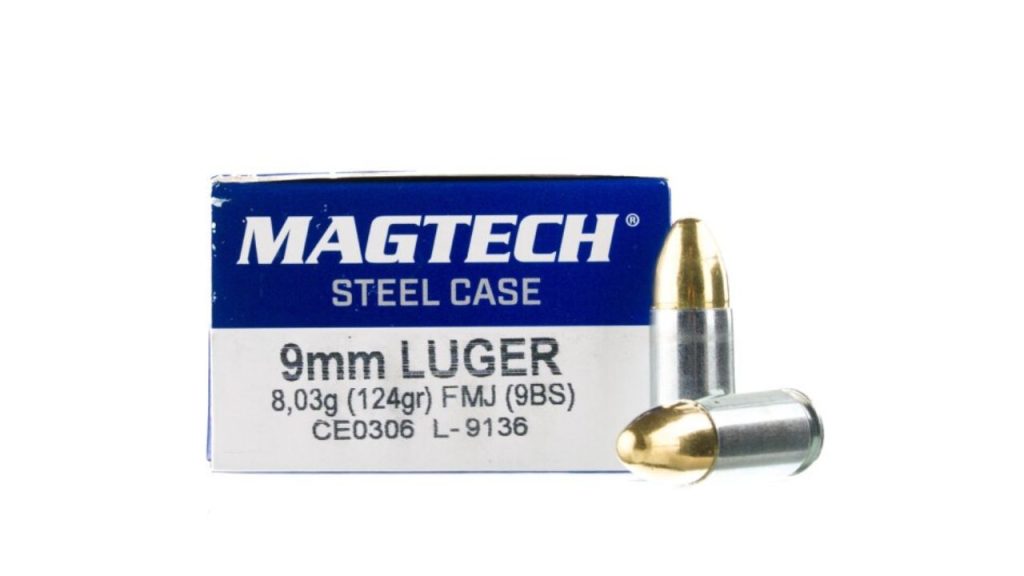
The 9mm sits at the center of most caliber debates for a reason. It offers manageable recoil, affordable practice ammo, and strong defensive performance with modern loads. Most shooters can train longer and shoot faster with it, which matters more than raw energy numbers.
Critics point to larger calibers and argue for more power per shot. Supporters counter with capacity and shot placement. Both sides have valid points. The 9mm works well because it lets you do more things right under stress. That practicality is exactly why it never leaves the argument, no matter how many new cartridges come along.
.45 ACP
The .45 ACP carries a reputation built on history and confidence. It’s slow, heavy, and hits with authority. Shooters who favor it often trust the larger bullet and the way it feels when it fires.
The tradeoff is recoil and capacity. Follow-up shots take more effort, and magazines hold fewer rounds. Some people shoot it extremely well. Others fight it the whole time. That split keeps the debate alive. The .45 ACP doesn’t pretend to be efficient. It leans on momentum and tradition, which still count for something when the conversation turns serious.
.40 S&W
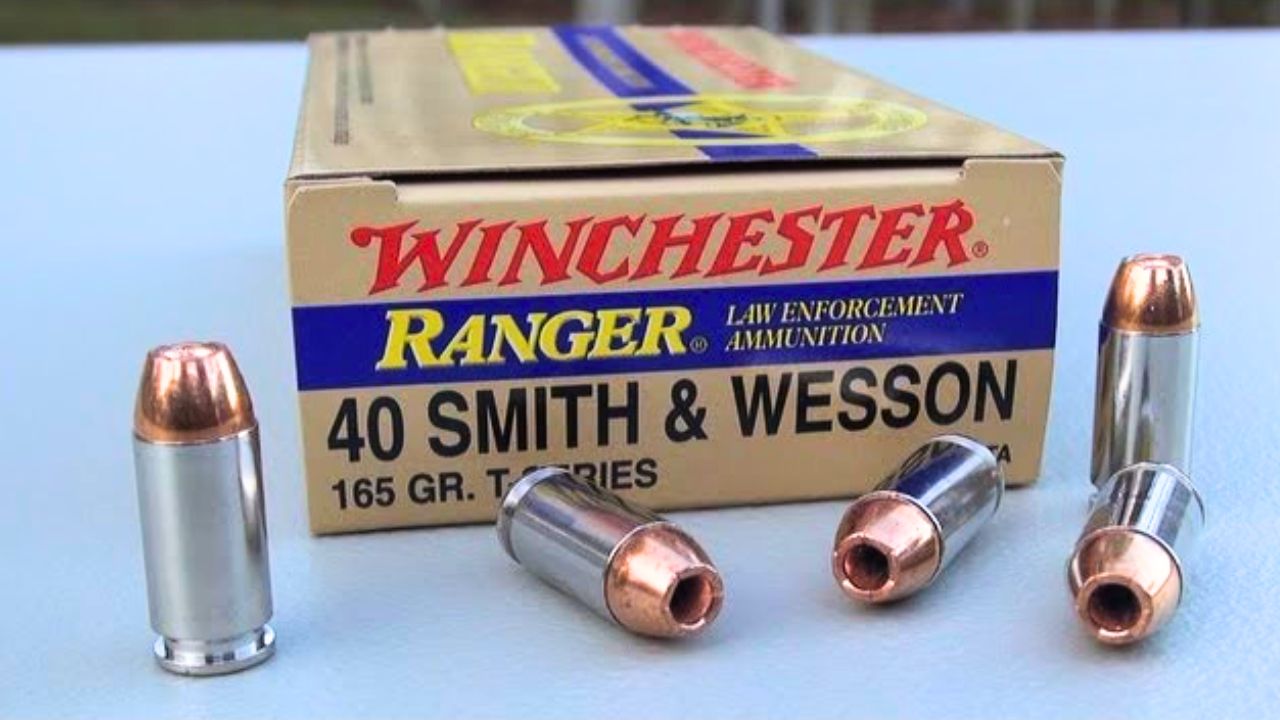
The .40 S&W was designed as a compromise, and that’s both its strength and its problem. It offers more energy than 9mm and more capacity than .45 ACP, at least on paper.
In practice, recoil turns some shooters off. The sharper snap can slow follow-up shots, especially in lighter pistols. Many agencies moved away from it, which only fueled the arguments. Some shooters swear by it and shoot it well. Others see it as unnecessary. The .40 S&W stays controversial because it sits awkwardly between two well-established options.
10mm Auto
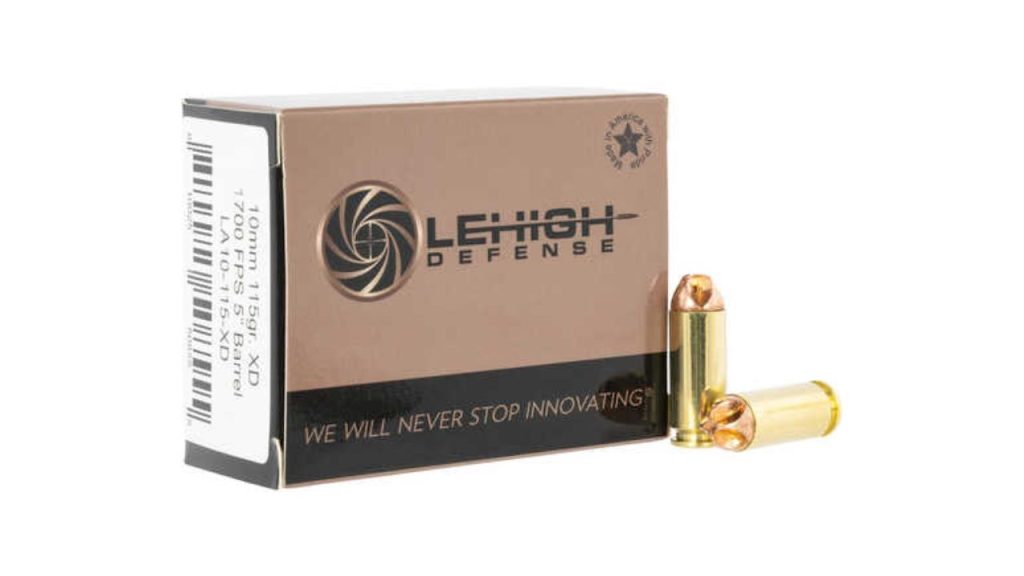
The 10mm Auto brings power into the conversation in a way few handgun calibers do. It offers deep penetration and serious energy, especially for outdoor defense.
That power comes at a cost. Recoil is stout, and not everyone can manage it well. Full-power loads demand commitment and practice. Some people download it closer to .40 levels, which raises the question of why they’re carrying it at all. The 10mm divides shooters because it asks more from you while offering capabilities most people don’t need every day.
.380 ACP
The .380 ACP sparks arguments because it lives right on the edge of acceptable performance. Its main advantage is allowing very small, easy-to-carry pistols that people actually keep on them.
The downside is limited penetration and reduced margin for error. Shot placement becomes even more critical. Some see it as better than nothing. Others won’t trust it at all. Both positions come from experience, not theory. The .380 ACP stays controversial because it forces you to balance convenience against performance in a way few calibers do.
.357 Magnum
The .357 Magnum has a long record of effectiveness, especially out of revolvers. It delivers velocity, penetration, and proven stopping ability when loaded properly.
Recoil and blast are the sticking points. Full-power loads are loud, sharp, and demanding to control. Many shooters step down to .38 Special for practice or defense, which muddies the debate. Is it the cartridge or how it’s used that matters most? That question keeps the .357 Magnum in arguments decades after its introduction.
.22 LR
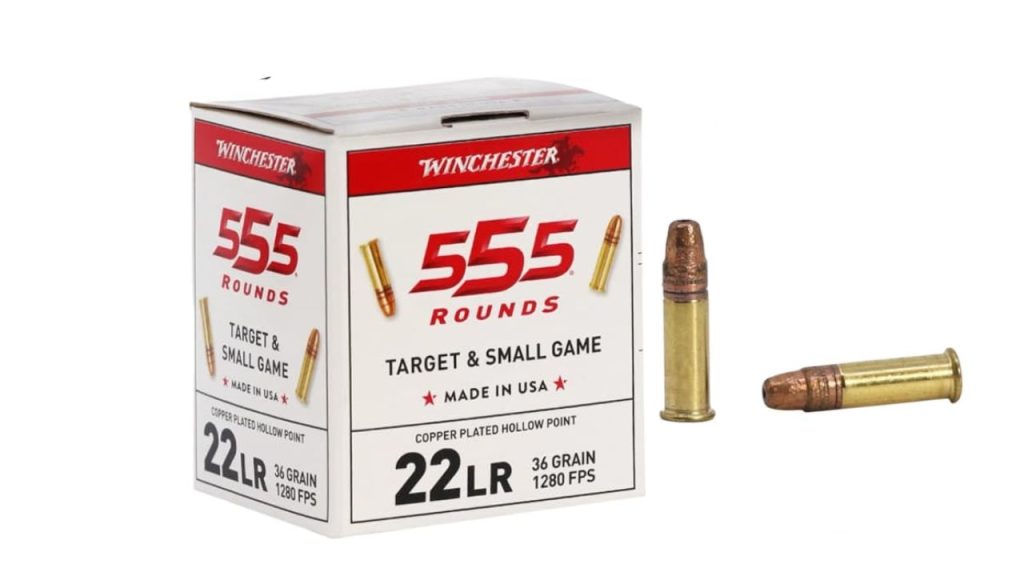
Few calibers provoke stronger reactions than .22 LR in defensive discussions. Some dismiss it outright. Others point to its controllability and the reality that hits matter more than caliber.
The truth sits uncomfortably in the middle. The .22 LR lacks reliable penetration and immediate stopping ability, but it’s easy to shoot accurately and quickly. It shows up in debates because it challenges assumptions about power versus precision. People argue about it because it forces an honest look at what actually stops a threat versus what feels reassuring.
5.56 NATO
While often discussed in rifle contexts, 5.56 NATO still sparks defensive arguments, especially for home use. It offers accuracy, low recoil, and predictable performance with proper ammunition.
Concerns center on over-penetration and noise. Supporters counter with testing that shows controlled penetration and fast follow-up shots. Like many calibers on this list, it isn’t wrong. It’s situational. The 5.56 NATO stays controversial because it blurs the line between rifle capability and defensive practicality in ways that make people uncomfortable.
Caliber arguments don’t fade because shooters are stubborn. They last because experience shapes opinions, and experience varies. The right answer depends less on charts and more on how well you can run what’s in your hands when it matters.

Leo’s been tracking game and tuning gear since he could stand upright. He’s sharp, driven, and knows how to keep things running when conditions turn.