Five National Monuments Face Review Over Concerns They Offend Native Americans
National monuments have long stood as official records of the country’s past, protecting landscapes while telling stories that include both triumphs and painful chapters. Lately a fresh round of federal reviews has put several of them under the microscope, particularly around how they handle Native American history. The push comes straight from a March 2025 executive order that calls for “restoring truth and sanity” to public displays. Park staff are now checking signs, exhibits, and brochures for content some officials view as overly critical of earlier Americans. If you have hiked through these places or read about them, you have probably noticed the quiet shifts happening behind the scenes. The process raises real questions about whose version of events stays on the walls and what gets adjusted or taken down.
The Executive Order Driving the Review
The directive issued last March instructed federal agencies to scan everything from visitor-center panels to trail markers. Officials flagged material they believed painted past generations in an unfairly negative light. In several national monuments this meant closer attention to sections describing interactions between settlers and Indigenous groups. Park employees compiled internal lists and began recommending changes to bring displays in line with the order.
You see the practical effect when a battle-site exhibit that once detailed cultural loss now gets revised or removed. The goal stated by the administration is balance, yet the work has moved quickly across multiple sites. Staff pushback has surfaced in some locations, but the reviews continue. This top-down approach affects how the public encounters history on public land.
Little Bighorn Battlefield National Monument in the Spotlight
Little Bighorn Battlefield National Monument sits in Montana as a place where visitors walk the ridges and read about the 1876 clash. Recent reviews targeted two exhibits that discuss Indigenous perspectives and the battle’s place in Cheyenne and Lakota history. Panels covering boarding schools and cultural erasure also drew attention from reviewers.
Northern Cheyenne leaders helped shape some of those displays years ago and now oppose alterations. The tribe sees the changes as erasing hard-won context they fought to include. When you stand at the Indian Memorial there, the surrounding landscape still carries the same weight, yet the words on the signs may soon tell a narrower story. The review has left local historians and tribal members concerned about what future visitors will learn.
Tribal Voices on the Changes at These Sites
Tribal councils have spoken clearly against the removals. The Northern Cheyenne passed a resolution opposing edits at Little Bighorn, calling the exhibits the result of years of collaboration. Other Indigenous leaders point out that the monuments were created in part to acknowledge their ancestors’ experiences.
You hear the frustration when historians like Dr. Leo K. Killsback describe the work as an assault on cultural rights. These voices emphasize that the sites hold living meaning for their communities. The reviews feel like another layer of suppression to people who already fought for recognition. Their statements remind everyone that the land and the stories belong to more than one perspective.
The Broader Impact on Other National Monuments
Similar flags have gone up at places like Grand Canyon and Glacier, where signs once addressed Native history or related topics. The process extends beyond a single site and touches how several monuments frame settlement eras. Park staff in different regions report internal spreadsheets tracking potential adjustments.
When you plan a trip, the information available at the entrance or visitor center could look different next season. Some brochures no longer use certain descriptions of historical events. The pattern suggests the reviews aim for consistency across the system. Observers note that the effort reaches monuments with deep ties to Indigenous communities, changing what counts as acceptable public interpretation.
How the Reviews Affect What You See When You Visit
If you pull into a national monument parking lot this year, the interpretive signs might skip details they once included. Exhibits that highlighted massacres or forced assimilation have been edited or stored away in some cases. Rangers still answer questions, but the printed materials now follow the new guidance.
You notice the difference most when you compare an old guidebook to the current display. The landscape remains unchanged, yet the narrative on the ground has tightened. Families and school groups encounter a version of events shaped by the ongoing review. The experience still educates, but the lens has shifted in ways that matter to regular visitors.
Historical Debates That Have Lasted for Decades
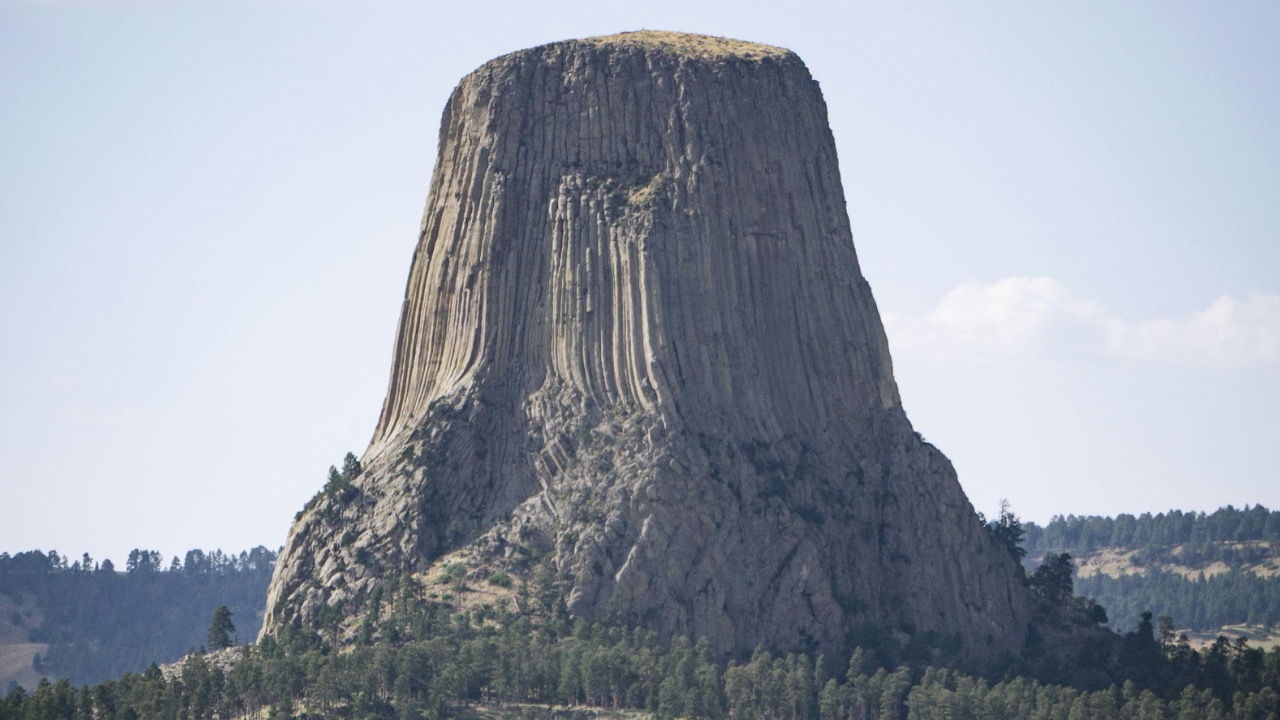
Long before the current order, some monument names sparked disagreement. Devils Tower in Wyoming carries a name many tribes consider offensive and have asked to change since the 1920s. The site itself holds sacred meaning as Bear Lodge for several nations.
These older debates now sit alongside the signage reviews. The executive order did not create the tension, but it has brought fresh energy to conversations about representation. When you read the historical record, you find repeated requests from tribes for recognition that went unanswered for generations. The present moment feels like an extension of those unresolved discussions rather than a brand-new conflict.
Public and Expert Reactions to the Process
Historians and advocacy groups have called the reviews an attempt to sanitize the past. Congressional Democrats labeled the effort suppression of facts. Park employees in some cases resisted the changes before they were implemented.
You see the backlash in editorials and statements from organizations that track public lands. Supporters of the order argue it corrects what they view as one-sided storytelling. The divide runs deep, with each side claiming the moral ground on how history should be taught. The conversation continues in court filings, tribal resolutions, and public meetings across the West.
What the Future Holds for These Protected Places
The reviews remain active, and more adjustments could follow in coming months. Tribes continue to press for their perspectives to stay visible. Legal challenges and public pressure may shape how far the process goes.
When you next visit one of these monuments, the ground under your feet will hold the same stories it always has. The question is whether the words posted along the trails will reflect the full range of those stories. The outcome will influence how future generations understand the land and the people connected to it for thousands of years. The places themselves endure, but the way we talk about them is shifting right now.

Leo’s been tracking game and tuning gear since he could stand upright. He’s sharp, driven, and knows how to keep things running when conditions turn.