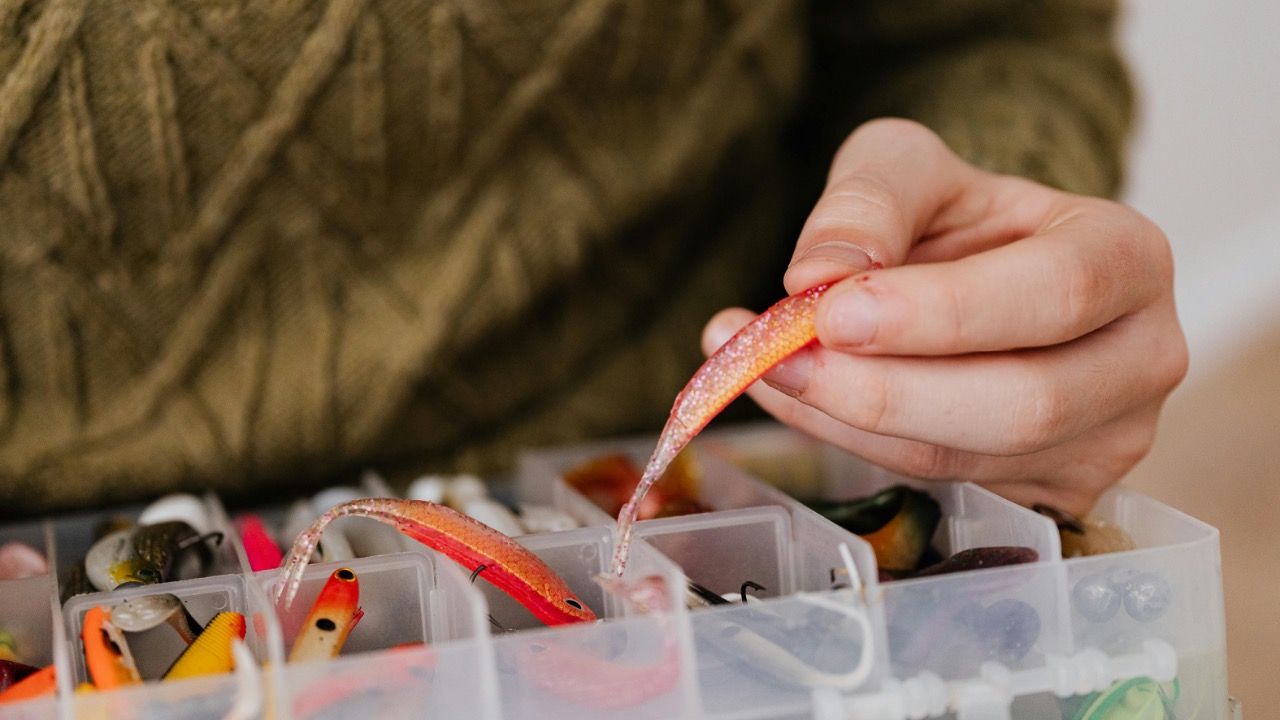
Why Your Lure Color Probably Isn’t the Problem
Anglers obsess over lure color, yet the biggest difference between a slow day and a hot bite usually comes from everything else: where the fish are, how the lure moves, and how visible it looks in the water. The headline promise holds up under both science and on-the-water testing, which consistently show that fish react first to size, profile, vibration, and speed long before they care whether the plastic is watermelon red or electric chicken. Once those fundamentals are right, color becomes a fine-tuning tool instead of the main event.
That shift in mindset does not just save money at the tackle shop. It also helps anglers make better decisions on the water, using light, depth, and water clarity to narrow color choices to a few simple patterns instead of a crowded box of near-identical baits. The result is more time with a lure in the strike zone and less time second-guessing the paint job.
What Fish Actually Notice Before Color
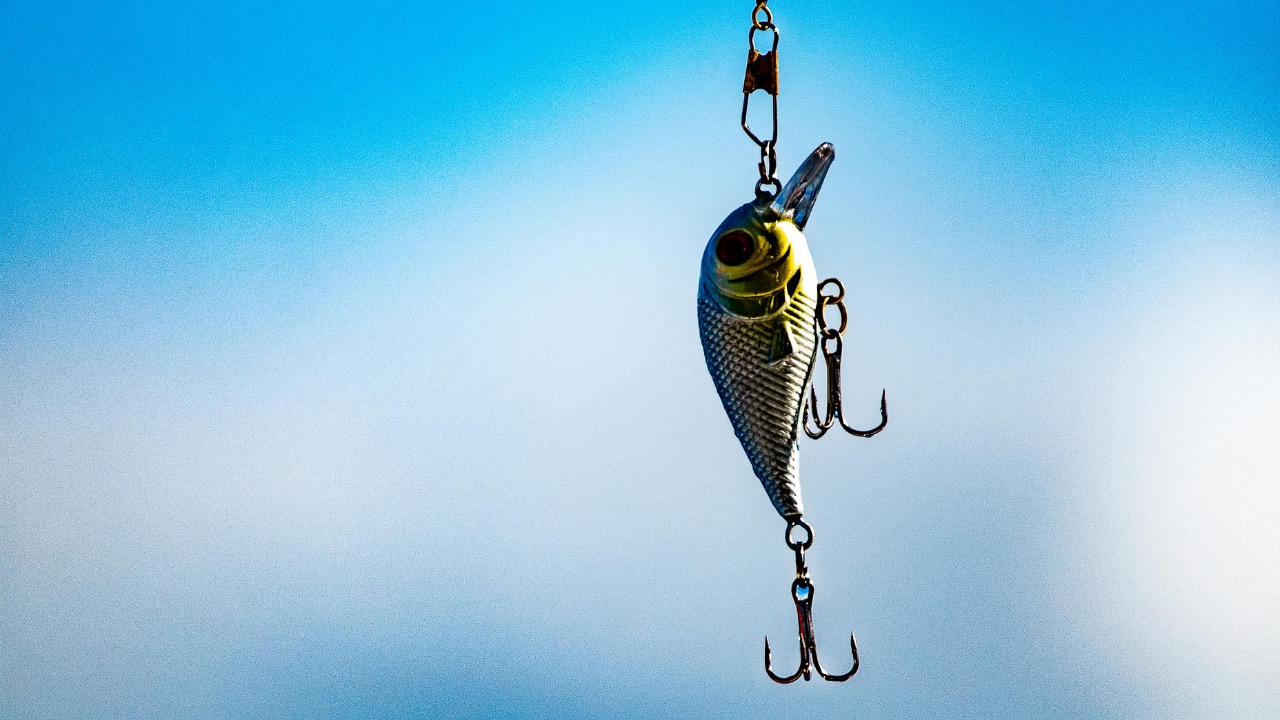
Underwater footage and controlled tests show that predators key in on movement and profile long before they can even resolve detailed color. In one underwater breakdown, Jan explains that most anglers spend more time choosing lure color than finding feeding fish, then demonstrates how fish track a bait based on speed, direction changes, and vibration as it moves through the water column, with color becoming secondary once the lure is already close enough to trigger a strike, a point illustrated in the video at this underwater test. The same footage highlights how a lure that matches the size of local forage and runs at the right depth will draw follows and hits even when the color is intentionally mismatched to the surroundings.
Other visual tests on bass and inshore species reinforce that predators often react to contrast and silhouette more than subtle hue shifts. In a separate breakdown, Jan walks through how fish first notice the flash, thump, and general outline of a bait, then only react to color once they are already committed, a pattern that shows up repeatedly in side-by-side lure comparisons. That aligns with the long-standing saying repeated in one bass-focused video that “10% of lures catch fish. The other 90% catch fishermen,” a line quoted while the host explains that anglers tend to overvalue paint schemes even though a small handful of proven shapes and actions do most of the catching, a claim backed in the segment that notes the “90%” figure in that classic saying.
Light, Water, and Why Colors Change Under the Surface
Color looks very different underwater than it does on the tackle shop wall, which is one reason lure color gets blamed unfairly when the real issue is visibility. As one detailed explanation of glowing baits notes, light and water interact in specific ways, with red and orange wavelengths disappearing quickly as depth increases while blue and green penetrate much farther, a pattern described in the section on Light and Water. That same analysis points out that glow finishes work not because fish admire the color, but because they keep the lure visible in low light, adding a faint halo that helps predators find it in stained water or at night.
Experienced inshore anglers echo this idea when they argue that lure color gets way too much credit and that changes in light can dramatically alter how a lure appears. One widely shared discussion notes that humans do not know how fish see color and points out that some lines are marketed as disappearing underwater because certain hues fade quickly at depth, while others such as blue remain visible much longer, a point raised in a thread that emphasizes how changes in light can transform a lure that looks bright in hand into a dull silhouette below the surface. The same conversation questions the marketing of bright red accents, noting that if red vanishes first, then the supposed “hot” color may simply add contrast in very shallow water and not much else once the lure gets deeper.
The Case for Simple Color Systems
Because light and depth strip away much of the nuance in paint jobs, many seasoned anglers simplify their approach to just a few categories. In one frequently cited anecdote on a beginners forum, an angler recalls an interview with the Rapala CEO who said that for most situations, an angler only needs two colors, dark and light, a minimalist system repeated in a comment that states the Rapala CEO boiled his advice down to that simple rule. A separate thread recalls a similar line from a CEO thought to be from Rapala, who reportedly said anglers just need dark and light lures and that colors are irrelevant beyond that, a statement that sparked debate among those who insist certain patterns have magic qualities, as seen in the discussion that attributes the quote to a CEO, Rapala.
Regional fishing educators push a similar message. One practical guide to lure color selection advises anglers not to get snagged on color and instead to focus on a small set of patterns that cover clear, stained, and dirty water, emphasizing that success has far more to do with understanding fish behavior than buying a new shade every season, guidance summed up in the reminder to “Don’t get snagged on color, just get out and fish” in a section on practical color choices. The same outlet reinforces this message through its social channels, where MidWest Outdoors USA engages anglers with tips that prioritize location and presentation over paint, as seen in activity on the Discovered Facebook page and the matching Discovered Twitter feed that promote skills like reading structure and seasonal patterns instead of chasing the latest color trend.
When Color Does Matter: Contrast, Clarity, and Glow
Color is not irrelevant, it just matters in specific, predictable ways. In very clear water with bright sun, more natural patterns that match local forage can help wary fish commit, especially when the lure is moving slowly enough for them to inspect it. One short visual demo shows how a bait that contrasts sharply with the background stands out more in stained water, while a more translucent option looks subtler in clear conditions, a difference illustrated in a quick test that compares lure visibility in various conditions in this short clip. In practice, that means high contrast colors such as black or dark purple often excel in low light or dirty water because they create a strong silhouette, while more natural greens and silvers shine in clear lakes and bays where fish can see every detail.
Glow finishes and UV accents also have a place, particularly in deep or low light scenarios. The detailed explanation of glowing lures notes that even if the glow did not add any special attraction, it would still help fish find the bait by keeping it visible when ambient light is scarce, effectively turning a hard-to-see lure into a catching machine in dark conditions, as described in the breakdown of how glow finishes interact with water. Social media discussions about early season striped bass echo this nuance, with James Morland No commenting that while he did not explicitly say color does not matter, he hinted that people usually believe it is the most important factor, a belief he clearly challenges in a thread where James Morland No suggests anglers put too much faith in paint and not enough in matching size and action to conditions.

Leo’s been tracking game and tuning gear since he could stand upright. He’s sharp, driven, and knows how to keep things running when conditions turn.