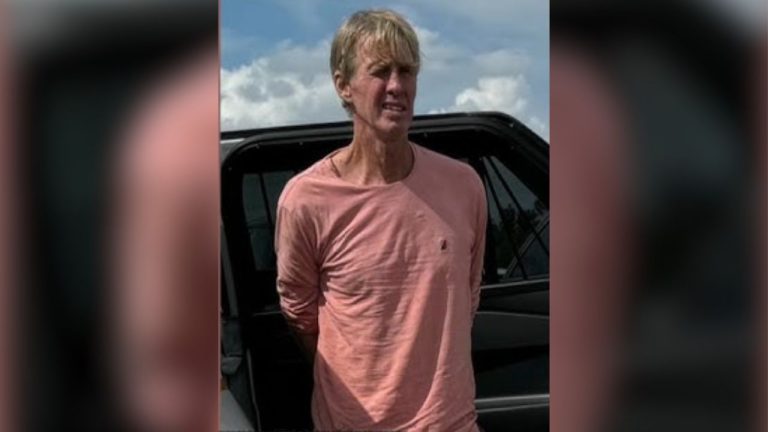
Former senior DEA official indicted for allegedly laundering millions for CJNG cartel
You open the latest court filings from Manhattan federal prosecutors and the details hit hard. A man who once led efforts to dismantle drug networks now stands charged with helping the very forces he spent decades pursuing. Paul Campo, retired after rising through the ranks of the DEA, and his associate Robert Sensi face accusations of conspiring to launder millions in cartel proceeds while facilitating cocaine distribution. The case, unsealed in early December 2025, reveals how undercover agents set up meetings across New York, Virginia, and Florida. What began as routine conversations quickly turned into recorded discussions about moving cash through cryptocurrency and supporting operations tied to one of Mexico’s most dangerous organizations.
The story raises immediate questions about how someone with deep insider knowledge could cross that line. Campo’s background in financial operations at the agency made him uniquely positioned, yet prosecutors allege he used that expertise against the mission he once served. Sensi, a longtime friend, joined in the alleged plot. Both men were arrested in New York and appeared in court shortly after. The charges carry heavy mandatory minimum sentences, underscoring the gravity of the allegations. You see the public statements from officials emphasizing that no one is above the law, even former enforcers.
The Charges That Rocked Federal Law Enforcement
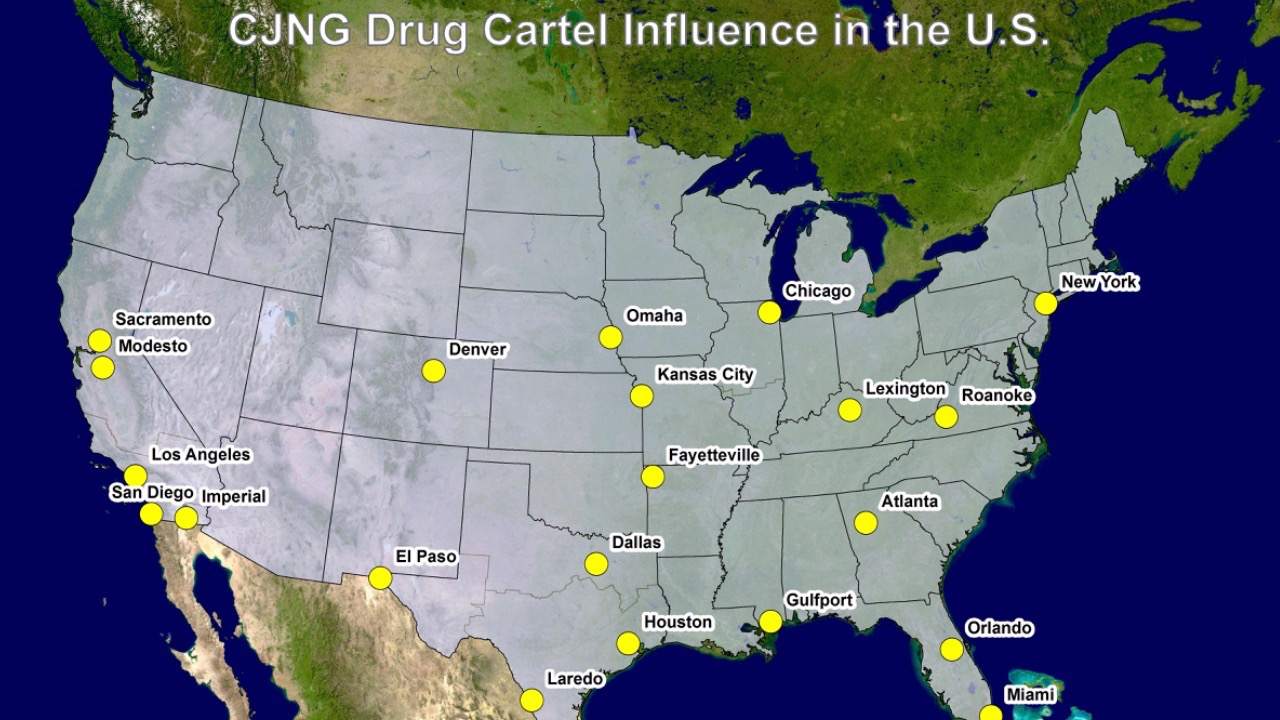
Federal prosecutors laid out four conspiracy counts against Paul Campo and Robert Sensi in the Southern District of New York. The accusations include narcoterrorism, distributing cocaine, providing material support to a designated foreign terrorist organization, and money laundering. Each carries potential prison terms ranging from 10 years to life, depending on the count. Investigators say the pair believed they were dealing directly with representatives of the Jalisco New Generation Cartel, known as CJNG. In reality, a confidential source working with law enforcement recorded the interactions over roughly a year.
You notice how the indictment paints a picture of calculated steps rather than impulsive acts. Campo and Sensi allegedly handled hundreds of thousands in cash and discussed far larger sums. Their conversations referenced using overseas accounts and digital currencies to obscure the origins of the funds. The case highlights vulnerabilities in how former agents transition to private work, where old contacts and skills can be repurposed in unexpected ways. Court records show both men pleaded not guilty at their initial appearances and remain detained pending further proceedings.
Paul Campo’s Decades Inside the DEA
Campo spent 25 years as a special agent before retiring in 2016. He started in New York field offices and advanced to deputy chief of the agency’s Office of Financial Operations. That role involved tracking money flows from major trafficking groups and designing strategies to disrupt them. Colleagues described him as someone who understood the mechanics of laundering schemes better than most. After leaving government service, he ran a private consulting firm focused on similar financial issues.
You consider the contrast between his official record and the current allegations. Campo reportedly referenced his DEA experience during meetings with the undercover source to build credibility. The indictment notes his prior positions, including acting regional director roles overseas and work in congressional affairs. Those details make the accusations stand out because they suggest the defendant knew exactly how law enforcement might detect such activity. His partner in the case, Robert Sensi, brought business connections that allegedly complemented Campo’s expertise in moving funds discreetly.
How Undercover Agents Built the Case
Law enforcement ran the operation as a classic sting. A confidential informant posed as a CJNG operative and arranged multiple in-person meetings with Campo and Sensi. Discussions took place in locations including New York City, northern Virginia, and southern Florida. Agents monitored the exchanges, capturing agreements to handle specific sums of money and support drug shipments. The source presented bulk cash that the defendants then converted into cryptocurrency, according to prosecutors.
You follow the timeline and see how the plot unfolded gradually from late 2024 into 2025. Each step escalated: first small test transactions, then talks of larger laundering volumes. The government controlled the funds at every stage, ensuring no real cartel money changed hands. Recordings and financial records formed the core of the evidence. This approach allowed investigators to document intent without letting actual proceeds reach criminal networks. The method echoes past operations against high-level targets but carries extra weight here because of the defendant’s background.
The Scale of the Alleged Laundering Scheme
Prosecutors claim Campo and Sensi agreed to clean approximately 12 million dollars in supposed cartel profits. They converted about 750,000 dollars in cash into cryptocurrency during the monitored period. The pair discussed routing funds through various channels, including prepaid cards and international transfers, to make the money appear legitimate. Their financial knowledge shaped proposals for layering transactions across multiple accounts and jurisdictions.
You examine the numbers and realize the ambition involved more than simple cash handling. The defendants allegedly planned to profit personally from commissions on the full amount. Conversations referenced using their experience to structure deals that would evade typical detection methods. This level of detail suggests a deliberate effort to replicate techniques they once worked to expose. The sting ensured all transferred funds ultimately went to government control, preventing any benefit to actual traffickers.
A Cocaine Deal Tied Directly to New York
Beyond the money movement, the indictment accuses the men of helping arrange payment for 220 kilograms of cocaine. They understood the shipment would sell in the United States for around five million dollars. Campo and Sensi expected a share of those proceeds plus additional commissions once the profits were laundered. The transaction was framed as a way to demonstrate their reliability to the supposed cartel contacts.
You read the specifics and note the domestic angle: the drugs were slated for distribution right in New York City. This element ties the case to local streets and communities already struggling with opioid and stimulant impacts. The defendants’ willingness to engage in this part of the scheme stands out because it moved beyond financial services into direct support for street-level sales. Prosecutors emphasize that the payment triggered further distribution under the undercover scenario.
Talks of Weapons and Explosives for the Cartel
Investigators recorded discussions where Campo and Sensi offered to explore acquiring military-grade equipment. The list included AR-15 rifles, M4 carbines, grenade launchers, rocket-propelled grenades, and commercial drones. They described potential sourcing methods and delivery options that would benefit the cartel’s operations in Mexico. These conversations occurred alongside the financial arrangements.
You see how the weapons element escalates the seriousness of the charges. Providing such material support to a group designated as a foreign terrorist organization adds layers of legal exposure. The defendants allegedly framed their assistance as a natural extension of the relationship they were building. No actual weapons changed hands because the entire interaction remained under law enforcement direction. Still, the proposals illustrate the breadth of what prosecutors say the pair was prepared to deliver.
CJNG’s Designation and Lasting Impact
The Jalisco New Generation Cartel earned its foreign terrorist organization label from the State Department in February 2025. The group controls vast drug routes into the United States and has a reputation for extreme violence used to maintain power. Its reach extends across multiple countries, moving cocaine, fentanyl, and other substances while corrupting officials along the way. Campo and Sensi’s alleged support would have aided that enterprise directly.
You reflect on the broader context and understand why authorities treat CJNG with heightened urgency. The cartel’s tactics have contributed to thousands of deaths on both sides of the border. Designating it a terrorist entity allows prosecutors to apply stronger statutes, as seen in this indictment. The case serves as a reminder that domestic actors can become enablers even after years in government roles. It also reinforces ongoing efforts to target not just street dealers but the financial and logistical networks that sustain large organizations.
Looking Ahead to the Courtroom Battles
Both men face a lengthy legal process in Manhattan federal court. Pretrial motions, evidence hearings, and potential witness testimony will shape the coming months. Campo and Sensi maintain their innocence, and their attorneys will likely challenge the sting’s conduct and the reliability of the recordings. Sentencing guidelines, if convictions occur, point toward significant time given the mandatory minimums on several counts.
You consider the ripple effects on the wider law enforcement community. The episode prompts fresh scrutiny of post-retirement activities among former agents. It also highlights the DEA’s internal reforms aimed at preventing similar lapses. Public trust takes another hit, yet officials stress that aggressive pursuit of every lead, regardless of who is involved, remains the priority. The outcome could influence how future cases against insiders are handled and prosecuted.

Asher was raised in the woods and on the water, and it shows. He’s logged more hours behind a rifle and under a heavy pack than most men twice his age.