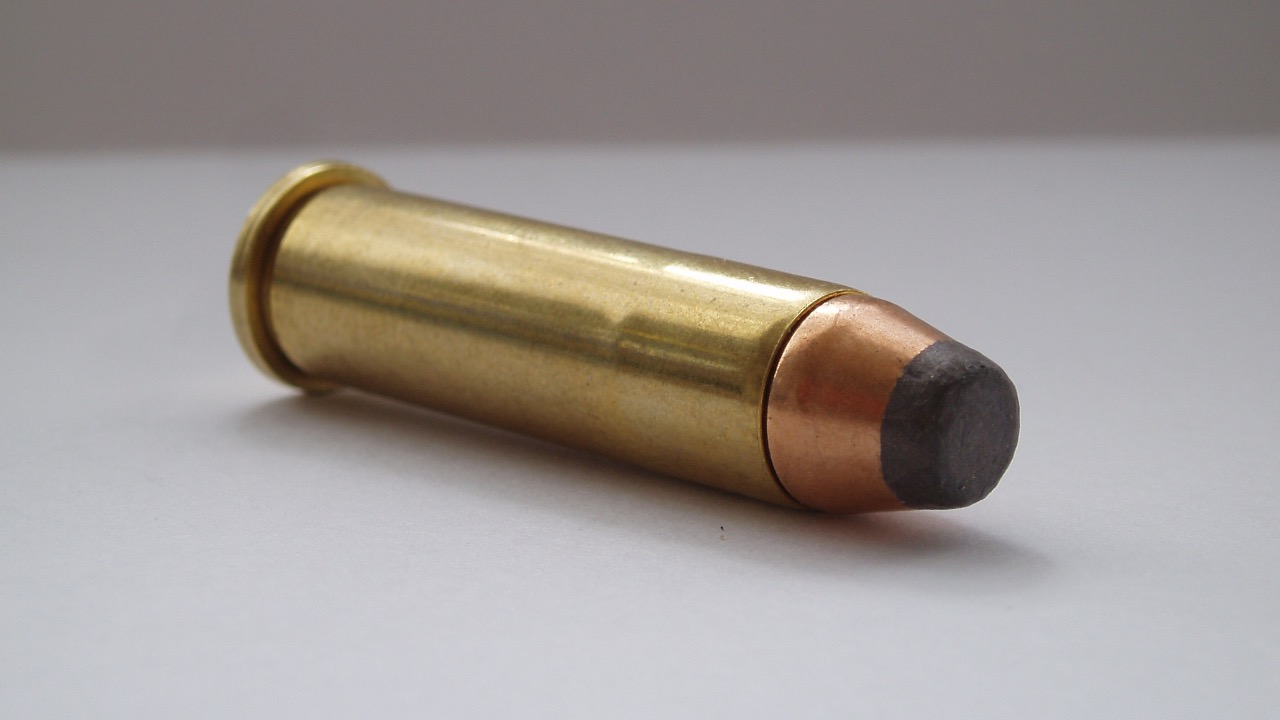
From Mob History to Modern Use: The Cultural and Technical Legacy of the .357 Magnum
You step into the story of the .357 Magnum during one of the roughest stretches in American law enforcement. In the 1920s and early 1930s, gangsters outfitted their cars with armor plating and wore early body armor that stopped standard police sidearm rounds. Officers carrying .38 Special revolvers watched bullets bounce off doors and vests during high-speed chases and bank jobs. That arms race pushed engineers and shooters to demand more power from a handgun cartridge without redesigning entire platforms. The result arrived in 1935 as a response that changed what officers could expect from their revolvers.
The cartridge delivered the penetration needed against the threats of that era while fitting into existing large-frame revolvers. Its introduction marked a shift toward handguns that could reach velocities once reserved for longer guns. Today you still feel that legacy whenever you pick up a .357 and understand how it was born from practical necessity rather than marketing.
The Gangster-Era Need for More Power
Law enforcement faced vehicles that ordinary pistol ammunition could not reliably stop. Gang members used heavy cover and protection that turned .38 Special loads into nuisances instead of stoppers. Officers needed something that punched through car bodies and early vests while remaining controllable in a service revolver. Smith & Wesson and Winchester responded by extending the .38 Special case by about an eighth of an inch and loading it hotter.
This longer case prevented accidental chambering in weaker .38 Special guns, adding a built-in safety margin. The new round quickly proved it could defeat the armored threats of the time. You see its immediate value when you read accounts of highway patrol officers who finally had a tool that matched the firepower they encountered on the road. The .357 gave them confidence in situations where hesitation could cost lives.
Elmer Keith’s Experiments and the Cartridge’s Birth
Elmer Keith pushed .38 Special loads hard in the early 1930s using heavy-frame revolvers built on .44-sized platforms. His handloads approached velocities that standard ammunition could not touch. Phil Sharpe and Douglas B. Wesson at Smith & Wesson took those ideas forward, refining the case length and pressure levels until the commercial .357 Magnum emerged in 1935.
The first Registered Magnums were custom pieces, often with long barrels and target sights, shipped to figures like J. Edgar Hoover. Each came with a registration certificate and factory test-firing data. You appreciate the attention to detail when you handle an early example and realize how much care went into making sure the gun and ammunition performed together. Keith’s work laid groundwork that others turned into a factory product you can still buy today.
How the .357 Magnum Works Technically
The .357 Magnum shares the same .357-inch bullet diameter as the .38 Special but uses a longer case and far higher pressure, up to around 45,000 psi. Typical factory loads send 125-grain bullets near 1,450 feet per second or 158-grain bullets around 1,240 feet per second from a four-inch barrel. That combination produces energy levels roughly double what most .38 Special loads deliver.
Revolvers chambered for it gain extra strength in the cylinder and frame to handle the pressures safely. You can also fire .38 Special ammunition in the same gun for lighter recoil during practice or when you want milder performance. The design gives you flexibility that few other cartridges match, letting one revolver cover different roles depending on what you load.
Law Enforcement Adoption Through the Decades
FBI agents and state police carried early .357 Magnums with barrels from three and a half to eight and three-quarter inches. The round earned respect for its ability to reach through barriers that stopped lesser ammunition. Many departments issued it as a service cartridge well into the era when semi-automatics began to replace revolvers.
You notice its staying power when you talk to older officers who remember qualifying with full-power loads and appreciating the balance between power and shootability. Even after agencies moved to 9mm and .40 caliber pistols, the .357 remained popular as a backup gun and for plainclothes work where its compact power still mattered.
Appearance in Film and Popular Culture
The .357 Magnum gained screen presence through police dramas and action films that showcased its distinctive report and muzzle flash. Colt Pythons and Smith & Wesson Models became visual shorthand for tough, capable characters. Directors used the revolver’s size and sound to convey authority without needing extra dialogue.
You recognize the cultural echo when someone mentions a “.357” in conversation and immediately pictures a specific scene or character. The cartridge moved beyond utility into symbolism, representing a time when revolvers defined American law enforcement on both sides of the badge. That image lingers even as technology has changed.
Ballistic Performance in Handguns and Rifles
From a four-inch revolver you get solid expansion and penetration with proper hollow points, making it effective for self-defense out to typical engagement distances. Move the same cartridge into a lever-action carbine with a sixteen- to twenty-inch barrel and velocities jump by several hundred feet per second, turning it into a capable small-game or deer rifle round.
Hunters value the flat trajectory and energy delivery at woods ranges. You adjust your expectations based on barrel length and understand why reloaders experiment with different bullet weights. The cartridge rewards attention to detail whether you shoot it in iron-sighted revolvers or scoped carbines.
Versatility for Hunting and Personal Defense
Modern .357 loads cover everything from lightweight expanding bullets for defense to heavy hard-cast options for larger game. You choose 125-grain hollow points for quick energy release in personal protection scenarios or 180-grain loads when you head into bear country. The same gun handles both without modification.
This range of performance keeps the .357 relevant for people who want one firearm that serves multiple purposes. You load .38 Special for comfortable practice sessions and step up to full magnum when the situation demands it. Few other options give you that kind of built-in adaptability.
Comparison With the .38 Special
The .38 Special remains milder and more pleasant to shoot for extended sessions, which explains why many people still prefer it for carry or competition. The .357 Magnum offers noticeably more velocity and energy at the cost of increased recoil and muzzle blast. Both use the same bullet diameter, so accuracy potential stays similar.
You gain options when you own a .357 revolver because you can practice cheaply with .38s and carry the hotter loads when needed. The longer case simply prevents mixing them up in the wrong direction. That compatibility has kept both cartridges alive for generations of shooters.
Why the .357 Magnum Still Matters Today
Manufacturers continue producing .357 revolvers in various sizes and finishes because demand has never fully disappeared. You see them in the hands of hunters, collectors, competitive shooters, and those who simply appreciate revolvers that deliver serious power without complexity. The cartridge’s proven track record across decades supports its continued presence.
When you load a cylinder and feel the weight in your hand, you connect with choices made during a different time yet still practical now. The .357 Magnum bridges eras through engineering that balanced power, safety, and usability. Its technical foundation and real-world results keep it useful long after many predicted its replacement.

Asher was raised in the woods and on the water, and it shows. He’s logged more hours behind a rifle and under a heavy pack than most men twice his age.