Fuel changes that could quietly affect drivers this year
Fuel isn’t something most people think about beyond the price on the pump. But the stuff coming out of that nozzle is changing, and it doesn’t always get much attention until something feels off—lower mileage, different engine behavior, or a warning light you didn’t expect.
This year, a handful of shifts are working their way through the system. Some are tied to policy, others to supply and refining. None of them are dramatic on their own, but taken together, they can affect how your vehicle runs and what you pay over time. Here’s what’s quietly moving under the surface.
Higher Ethanol Blends Are Expanding in More States
You’re seeing more stations offering E15, especially during months when it used to be restricted in certain areas. That’s a 15 percent ethanol blend, up from the standard E10 most drivers are used to.
Ethanol burns differently than straight gasoline. It can slightly reduce fuel economy, particularly in older engines not tuned for it. Most modern vehicles can handle E15, but not all small engines or pre-2001 vehicles are approved. If you’re running older equipment—trucks, generators, or boats—you’ll want to pay closer attention to what you’re putting in the tank.
Summer and Winter Gas Blends Still Affect Performance
Refiners change fuel formulas depending on the season. Summer blends are designed to reduce evaporation in heat, while winter blends are easier to ignite in cold weather.
You may not notice it directly, but it can show up in your mileage. Winter fuel often delivers slightly fewer miles per gallon. When prices rise during seasonal transitions, it’s not always about supply—it’s partly tied to the cost of producing these different blends. It’s one of those background shifts that affects your wallet without much warning.
Additive Packages Are Changing Behind the Scenes
Fuel isn’t raw gasoline anymore. It’s a mix that includes detergents and additives designed to keep engines cleaner and running efficiently.
Those additive packages can change depending on brand and regulation. Some fuels meet only the minimum standard, while others go further. Over time, lower-quality additives can contribute to carbon buildup, especially in direct-injection engines. You may not feel it right away, but it can affect performance and maintenance down the road.
Refinery Closures and Conversions Are Tightening Supply
Several refineries have either shut down or converted to produce renewable fuels. That reduces the amount of traditional gasoline and diesel being produced.
Less refining capacity means the system has less cushion when demand spikes or disruptions happen. That’s part of why you’re seeing sharper price swings than in the past. Even if your local station stays stocked, the broader system is tighter, and that affects what you pay week to week.
Renewable Diesel Is Becoming More Common
Renewable diesel isn’t the same as biodiesel. It’s chemically closer to petroleum diesel and can be used in most diesel engines without modification.
You’re starting to see it blended into standard diesel in some regions. It tends to burn cleaner and can reduce certain emissions, but availability varies. For drivers, the transition is mostly invisible. Still, depending on the blend and source, it can slightly change fuel characteristics like energy content and cold-weather performance.
Octane Ratings Are Staying the Same—but Engines Aren’t
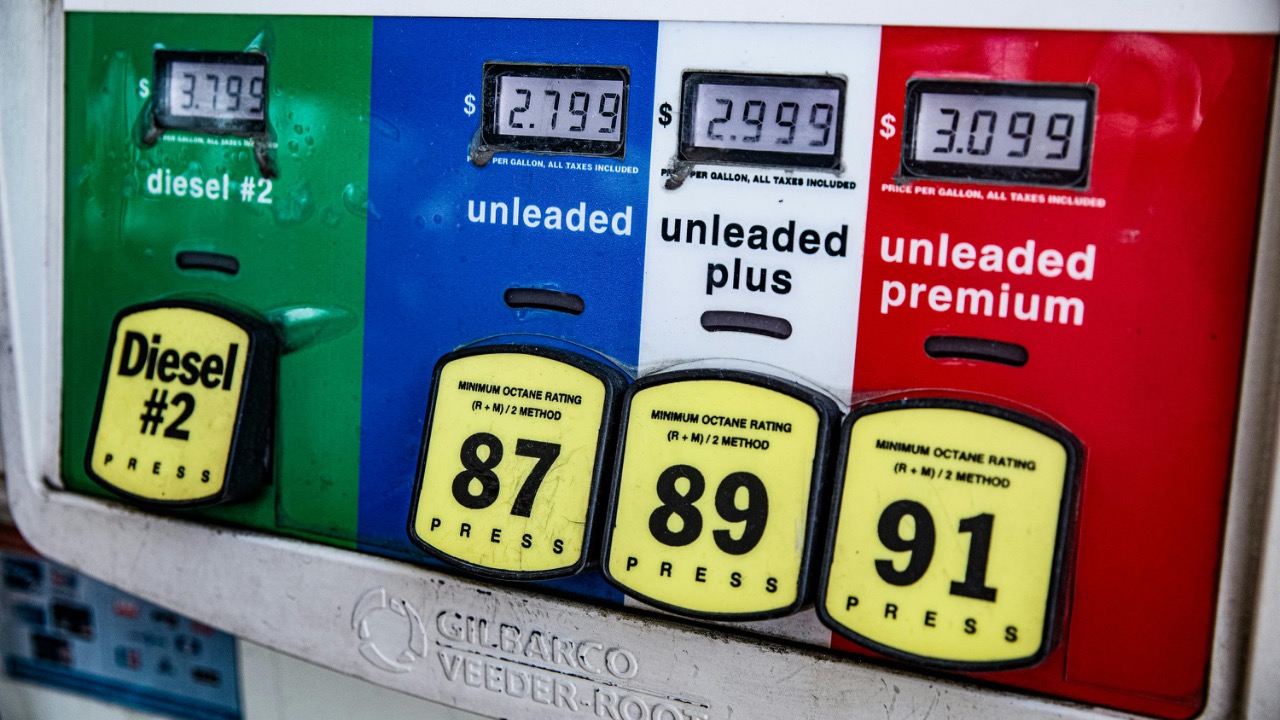
Pump labels haven’t changed much, but modern engines are pushing higher compression and relying more on turbocharging. That makes them more sensitive to fuel quality.
If your engine calls for premium, dropping down to regular can affect performance and efficiency. On the flip side, running higher octane than needed doesn’t offer much benefit. As engines evolve, matching the right fuel matters more than it used to, even if the numbers on the pump look familiar.
Fuel Storage and Shelf Life Still Catch People Off Guard
Gasoline doesn’t last forever, especially with ethanol in the mix. It can absorb moisture and break down over time.
If you store fuel for equipment or seasonal use, that matters. Old gas can cause hard starts, rough running, or clogged components. Stabilizers help, but they don’t fix everything. Rotating fuel and keeping it fresh is still one of the easiest ways to avoid headaches, especially if you rely on equipment when it counts.
Regional Regulations Are Creating Different Fuel Markets
Not all fuel is the same across the country. Certain states require specific blends to meet air quality standards, and that creates pockets where fuel is more expensive or harder to supply.
If you travel across state lines, you may notice price jumps that don’t seem to make sense. Often, it comes down to those localized requirements. It also means supply disruptions in one region can’t always be solved by pulling fuel from another. You end up with a patchwork system that reacts differently depending on where you are.
Fuel changes rarely come with a big announcement. They show up in small ways—mileage that dips, prices that swing, engines that feel a little different. Pay attention long enough, and you start to see the pattern.

Asher was raised in the woods and on the water, and it shows. He’s logged more hours behind a rifle and under a heavy pack than most men twice his age.