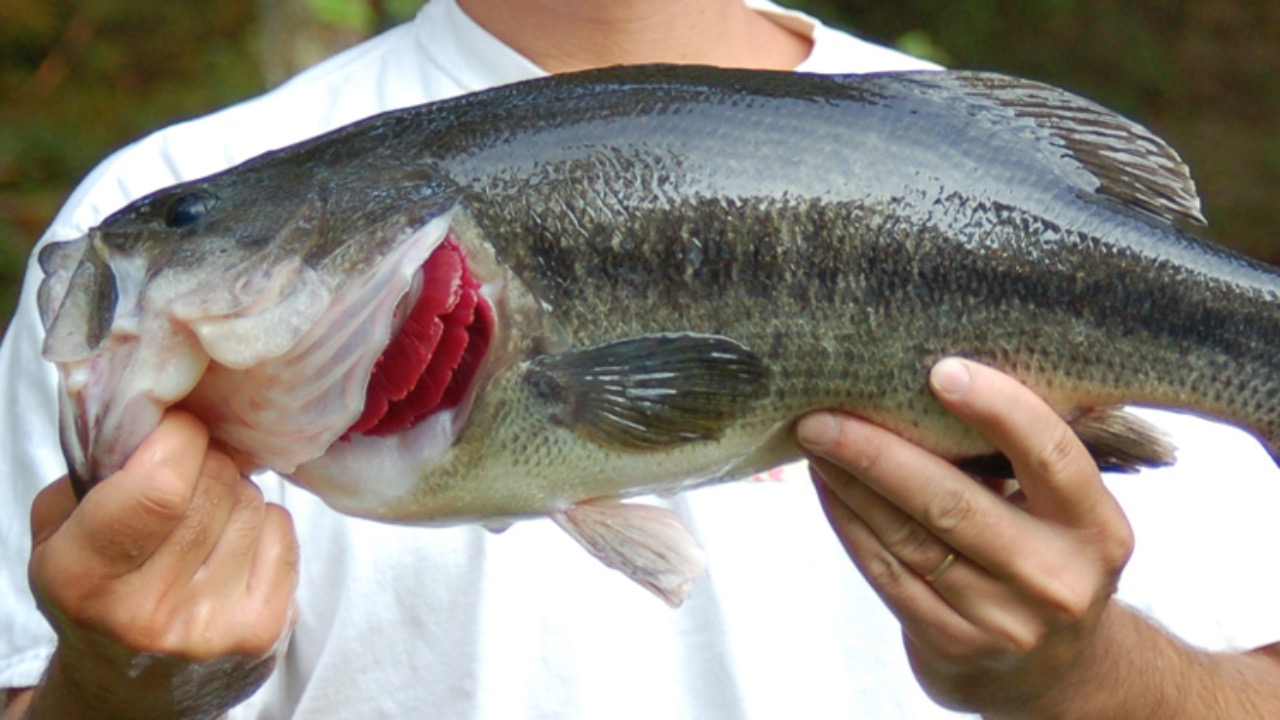
The largest bass ever caught across the United States
Across the United States, a handful of legendary bass have grown far beyond ordinary proportions and into fishing folklore. From Georgia farm boys chasing supper to California specialists stalking trophy lakes, the pursuit of record largemouth has produced some of the most storied catches in American outdoor history. The largest bass ever landed in the country still traces back to a single fish caught in 1932, yet the race to surpass it continues to shape how anglers fish, where they travel, and what they dream about every time a bobber dips or a topwater lure disappears in a boil of green water.
The standard setter: George Perry and the 22 pound 4 ounce giant
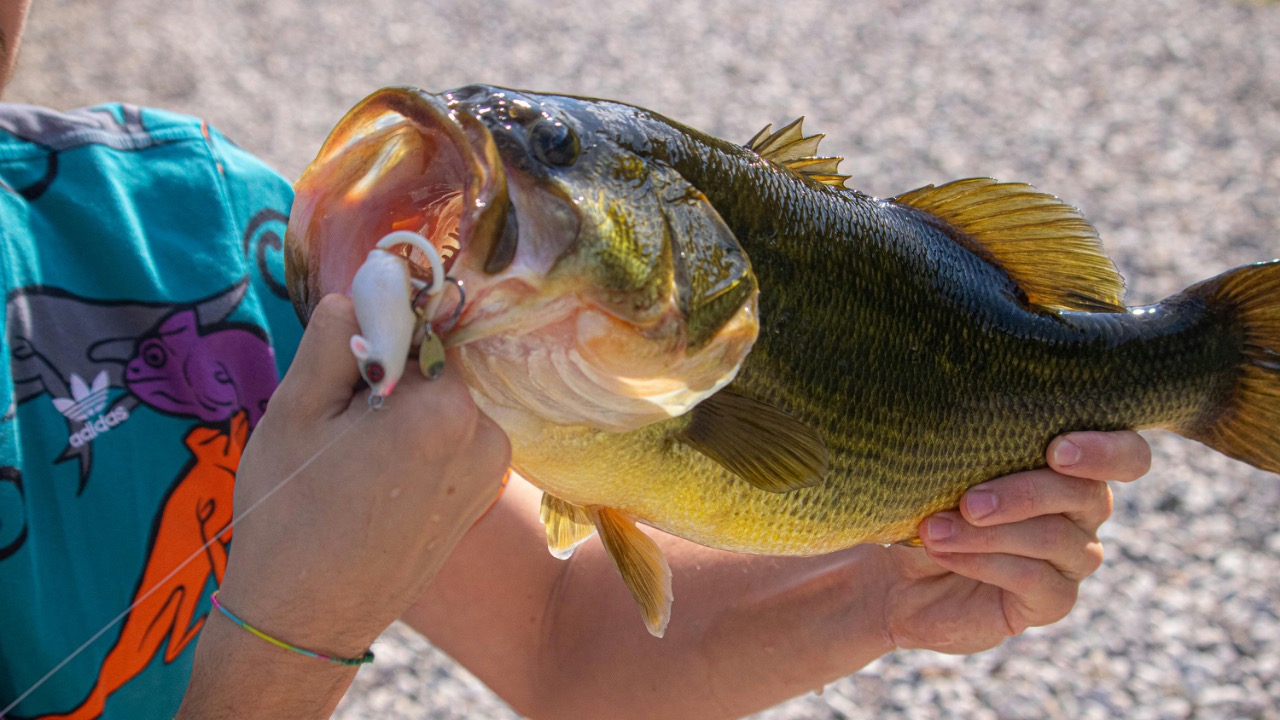
Every discussion of giant bass in the United States starts with George Perry and the fish he pulled from a small Georgia waterway in 1932. Multiple accounts describe how the world record largemouth bass was caught by George Perry in Montgomery Lake, Georgia, a modest oxbow off the Ocmulgee River that hardly looked like the birthplace of a legend. According to a detailed retelling of World Record Largemouth, Perry hooked the fish on June 2 while fishing from a wooden skiff, using simple tackle and a Creek Chub Fintail Shiner plug.
The fish weighed 22 pounds, 4 ounces, a figure that appears again and again in historical summaries and in modern lists of record catches. One account of state records lists George Perry alongside Georgia with a largemouth bass of 22 lbs 4 oz from Montgomery Lake, confirming both the weight and the location. Another narrative about George Perry notes that the world record largemouth bass was caught by George Perry in Montgomery Lake, Georgia in 1932 and emphasizes that the world record bass was 22 pounds, reinforcing the same basic numbers from a separate source. A separate feature on giant bass describes George Perry with the shorthand “George Perry: 22 Pounds, 4 Ounces,” and then builds a sense of myth around the catch, explaining that a haze of folklore surrounds this fish and that tales of how this trip developed have been told and retold for generations.
Part of the mystique comes from how ordinary the day appears in retellings. One profile of Perry’s catch explains that he was fishing for supper when he landed what became both a state and a world record largemouth. The same story calls that catch the king of all records, a phrase that captures how completely this single fish dominates bass history. Later summaries of record lists echo that sentiment, noting that the world record was caught by George Perry at Montgomery Lake, Georgia in 1932 and that since Perry landed his giant, a long list of challengers has come and gone without dislodging his mark from the top of the list even 90 years later.
Modern anglers who want to verify the standing of that fish look to formal record keepers. The International Game Fish Association, accessible at IGFA, maintains the official world record database that still recognizes George Perry’s largemouth as the benchmark. That institutional backing gives the story more than just campfire credibility. It locks the fish into the official record books, which is why every new giant bass is measured against Perry’s 22 pound 4 ounce standard.
How long a single bass can dominate the record books
One reason the Perry fish looms so large is the sheer length of time it has held its place. A modern feature on historic catches notes that on this day 85 years ago, George Washington Perry landed the biggest bass that has ever been recorded. The same piece stresses that his record has been equaled but never surpassed, which drives home how unusual it is for any fishing record to stand for nearly a century. Another overview of giant largemouths describes how the largest largemouth bass ever caught weighed 22 pounds, 4 ounces and that the record has been held for over 90 years, a simple line that captures how no other fish has yet pushed past that number.
Record-keeping organizations have even had to adapt to the fact that no one has clearly beaten Perry, only matched him. A narrative about record bass explains that records are made to be broken. And sometimes tied, and then recounts how most anglers thought the next big largemouth bass to challenge George Perry’s number would come from the likes of a lake in California. That prediction turned out to be accurate in one sense, because California waters have indeed produced fish that rival the Georgia giant. Yet even with those challengers, the official world record largemouth has not been rewritten.
The persistence of the record also reflects the way big bass fisheries have changed. In the 1930s, there were no modern weigh stations, no digital scales and no social media photos to back up every claim. That lack of documentation has fueled debate around Perry’s fish and contributed to the folklore described in tales of that day. At the same time, the continued recognition of his catch by formal bodies and by state record lists has given it a stability that modern anglers accept, even as they scrutinize every new giant that surfaces.
California’s rise as a giant bass factory
If Georgia provided the original record, California became the modern proving ground for anglers chasing the next world-beating largemouth. A listing of state records under the heading The Largemouth Bass Record In Each State notes that California produced a largemouth of 21 lbs 12 oz from Lake Castaic, caught by Micheal Arujo in 1991. Another account of trophy fish describes a California angler, Michael Arujo Date 05-03-1991, with a Weight of 21 lbs, 12 oz at a Location identified as Castaic Lake at the main boat ramp. Those details show how close California has already come to the 22 pound 4 ounce mark, missing Perry’s record by only a few ounces.
California’s big-bass reputation is not limited to one lake. A feature on the biggest largemouth bass ever caught in the modern era notes that then to muddy the waters even further, there was a bass that weighed way more than both of the long-standing giants. That same discussion, which appears under the banner of Jan and focuses on the Biggest Largemouth Bass Ever Caught, points to fish like those from Lake Castaic and other Southern California reservoirs that have benefited from rich forage, long growing seasons and careful management.
Another narrative about record bass captures the broader expectation that California would eventually produce a new world record. It notes that most anglers thought the next big largemouth bass to challenge George Perry’s long-standing number would come from the likes of a lake in California. That prediction has largely shaped trophy bass culture in the West, where anglers pore over stocking records, water levels and seasonal patterns in places like Castaic, Casitas and Dixon, all in the hope of encountering a fish that can finally surpass 22 pounds, 4 ounces.
Dottie of Lake Dixon and the almost-record that still haunts anglers
No California bass has captured the public imagination more than Dottie, the massive largemouth that lived in Lake Dixon. A detailed video profile explains that she got her name by the unique black dot that was located just under her gill plate which made her noticeable even from above the water. That same account of Dottie’s life and capture history notes that she was considered by many anglers to be the biggest largemouth that ever lived, and that her presence in Lake Dixon turned the small reservoir into a pilgrimage site for trophy hunters.
Another video about world record largemouths recounts how after the IGFA concluded an investigation which included lie detector tests and working with Japanese authorities, the catch was ruled ineligible as a world record. That investigation focused on a giant bass caught in Japan, yet it also reinforced the standards that would apply to any claim involving a fish like Dottie. The same video returns to Lake Dixon and Dottie, describing her as Dottie that lived in Lake Dixon, California, and uses her story as a case study in how technicalities and documentation can decide whether a once-in-a-lifetime catch enters the record books.
California has seen other near misses as well. A social media post labeled Almost describes a world record bass pulled from Lake Dixon that weighed 25.01lb and declares that this just has to be the biggest Bass yet caught, photographed and released. The same description places the event at Lake Dixon in California and explicitly compares the fish to the one taken from Montgomery Lake in Georgia in 1932, underlining how every giant from that reservoir is measured against George Perry’s 22 pound 4 ounce benchmark. Yet because of questions about how the fish was hooked and handled, that 25.01lb bass, like Dottie, did not unseat the official record.
Other giants that define the upper limits of American bass
While Perry’s Georgia fish and California’s giants dominate the conversation, other notable catches across the United States help define what is physically possible for largemouth bass. A feature that invites readers to Discover the Largest Bass Ever Caught explains that the largest largemouth bass ever caught weighed 22 pounds, 4 ounces and emphasizes that the record has been held for over 90 years. It then surveys other huge fish that approach, but do not exceed, that number, reinforcing how rare it is for a bass to reach into the 20 pound class at all.
Another overview of the five largest largemouth bass describes George Perry with the line George Perry: 22 Pounds, 4 Ounces and then lists other fish that weigh only slightly less. The same piece notes that tales of those days on the water often grow with each retelling, yet the core measurements remain consistent across formal records and angler accounts. Together, these stories suggest that largemouth bass in the low twenties represent the extreme top end of the species, at least under current environmental conditions and management regimes.
Modern compilations of giant bass, such as those organized around the theme Biggest Bass Ever Caught and subtitled 11 Record, Breaking Lunkers, use these numbers to rank fish from different states and eras. One such list highlights that on this day 85 years ago, George Washington Perry landed the biggest bass that has ever been recorded and then moves on to fish from California, Texas and other states that have produced bass in the high teens and low twenties. The pattern is clear. Once a largemouth crosses roughly 15 pounds, it enters a rarefied class, and only a handful have ever pushed into the 20 pound range that Perry reached.
State records and how they stack up to the national benchmark
State record lists provide another lens on how exceptional the largest bass really are. Under the heading The Largemouth Bass Record In Each State, one compilation notes that Georgia’s record is 22 lbs-4 oz from Montgomery Lake, attributed to George Perry, while California’s record is 21 lbs-12 oz from Lake Castaic, caught by Micheal Arujo in 1991. Those two numbers alone show how far ahead the top states are compared with most of the country, where largemouth records often fall between 8 and 15 pounds.
Another feature that surveys giant bass across the country highlights California angler Michael Arujo and lists his Date as 05-03-1991, his Weight as 21 lbs, 12 oz and his Location as Castaic Lake at the main boat ramp. By placing that catch in a ranked list of trophy fish from 49 states, the piece underlines how few bass even approach the 20 pound line, let alone cross it. Most state records sit several pounds below the Perry and Arujo fish, which helps explain why those two catches are constantly referenced in national conversations.
Even at smaller scales, big bass capture attention. A social media post about Large bass caught in southern California notes that Ike Stephens of Leesville, Louisiana, caught this 10.05- pound bass on March 21, 2025, and weighed it in at Fin & Feather Resort on Lake Dixon, California, USA. That fish is less than half the weight of Perry’s giant, yet a 10.05 pound bass still qualifies as a trophy in almost any state and illustrates how rare double-digit largemouths remain for everyday anglers.
How record keepers decide what counts
Behind every headline about a giant bass is a process that decides whether the fish enters the official record books. Organizations such as the IGFA have detailed rules about tackle, weighing procedures and witness requirements. The video account that describes how after the IGFA concluded an investigation which included lie detector tests and working with Japanese authorities, the catch was ruled ineligible as a world record shows how seriously those standards are enforced. In that case, the issue involved a fish caught in Japan, but the same principles apply to American catches that challenge George Perry’s mark.
State agencies and regional record programs often mirror those rules. The listing of The Largemouth Bass Record In Each State reflects a consistent approach to recording weight, location, angler name and date. When that list identifies California with 21 lbs-12 oz from Lake Castaic and Georgia with 22 lbs-4 oz from Montgomery Lake, it is relying on certified scales and documented evidence, not just angler recollection. The same is true of the Georgia entry that credits George Perry and the Montgomery Lake catch, which is further supported by a social media post that states that the world record largemouth bass was caught by George Perry in Montgomery Lake, Georgia in 1932 and that the world record bass was 22 pounds.
At a more informal level, anglers and brands celebrate record fish in their own ways. The profile of George Perry’s catch hosted by a fishing apparel company, which presents the story under the heading World Record Largemouth Bass, retells how the fish fed Mr. Perry’s family and how the catch shaped his life. That story connects to a broader marketing ecosystem that includes collections of gear such as new arrivals for anglers who dream of their own record shots. Similarly, a feature on giant bass that highlights 11 Record, Breaking Lunkers is tied to a retail platform that promotes fishing apparel and equipment, accessible through links such as performance fishing offerings.

Asher was raised in the woods and on the water, and it shows. He’s logged more hours behind a rifle and under a heavy pack than most men twice his age.