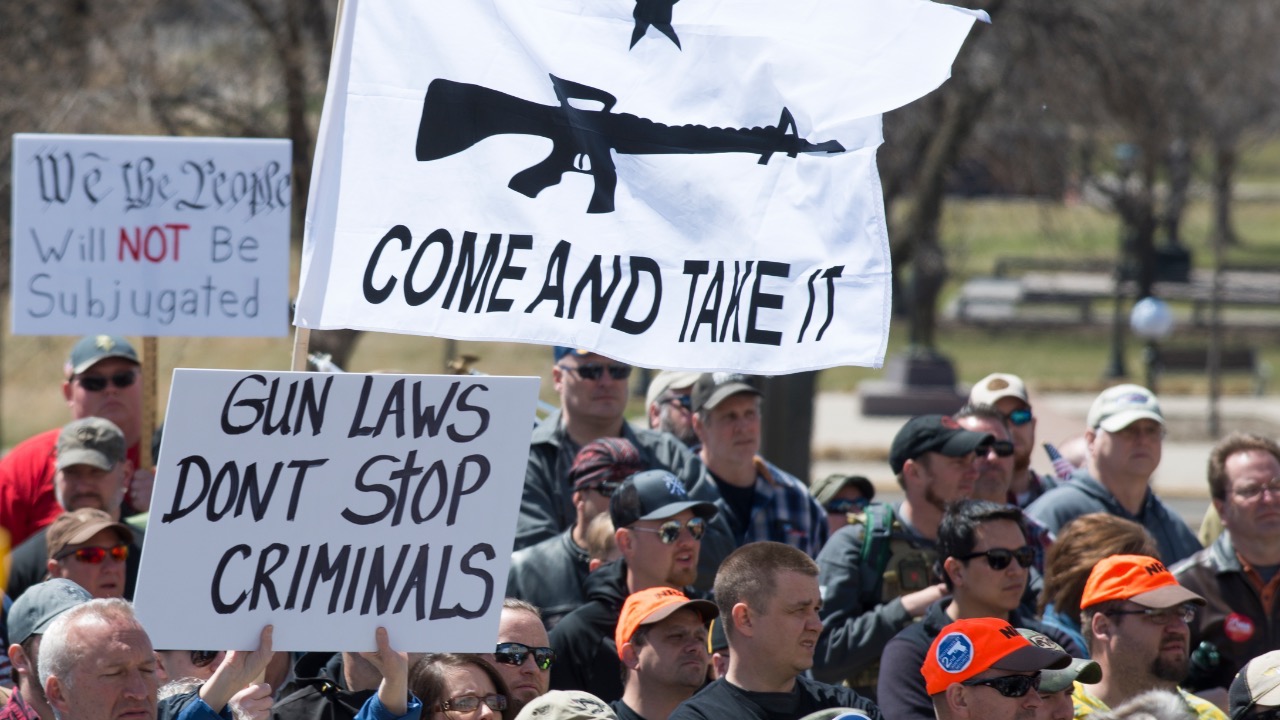
Gun culture and Second Amendment protections fuel partisan clashes in state legislatures and courts
You encounter this divide everywhere in American public life. Deep cultural attachments to firearms meet constitutional arguments over the right to keep and bear arms, creating sharp conflicts that play out in statehouses and courtrooms. One side emphasizes personal liberty and self-reliance rooted in tradition. The other stresses community safety amid ongoing violence. These tensions rarely resolve neatly, as elected officials and judges navigate voter expectations, legal precedents, and real-world consequences.
The deep cultural divide shaping debates
People on different sides bring lived experiences that rarely overlap. In many rural and suburban areas, firearms represent independence, hunting heritage, and protection against threats when help is far away. Urban and coastal communities often view them through the lens of daily risks from crime or mass shootings. This split influences how you interpret the Second Amendment itself—not just as text, but as a reflection of differing American realities. Legislators feel pressure to align with their base, turning policy discussions into proxies for larger identity questions.
Courts step in when legislatures push boundaries, but judges also carry perspectives shaped by their backgrounds. The result is a patchwork of rules that vary by state, leaving many wondering where the balance truly lies between individual rights and collective well-being.
State legislatures become battlegrounds
Republican-led states have expanded carry rights and limited local restrictions in recent years. Permitless carry laws passed in several places, allowing eligible adults to carry concealed firearms without additional training or permits. These moves reflect voter priorities around personal freedom and skepticism of government overreach. Democratic-led states responded with tighter background checks, magazine limits, and assault weapon restrictions, aiming to curb access in ways they argue prevent harm.
You watch these differences create real inconsistencies. A driver crossing state lines might move from legal open carry in one place to felony possession risks in another. Preemption laws in many states block cities from enacting their own stricter rules, centralizing power at the state level and frustrating local officials dealing with unique urban challenges.
Landmark rulings reshape the legal landscape
The 2022 Supreme Court decision in New York State Rifle & Pistol Association v. Bruen required courts to evaluate gun laws against historical traditions rather than modern balancing tests. This shift opened challenges to long-standing regulations across the country. States defending restrictions on large-capacity magazines or age limits for carry permits must now point to analogous founding-era rules.
Lower courts and state supreme courts continue sorting through the implications. Some upheld limits on domestic violence offenders or certain public carry bans, while others struck down provisions. The uncertainty leaves lawmakers drafting bills with one eye on the next lawsuit, knowing partisan-appointed judges can sway outcomes in close cases.
Partisan priorities drive policy differences
In red states, you often see emphasis on Second Amendment sanctuaries and protections for gun manufacturers. Blue states focus on red flag laws that temporarily remove firearms from those deemed threats and on closing loopholes in background checks. These choices reflect core voter coalitions—rural gun owners versus suburban parents concerned about school safety.
Elections amplify the stakes. Candidates campaign on these issues knowing they mobilize turnout. Compromise remains rare because middle-ground positions satisfy few in polarized districts. The result is incremental movement in one direction or the other, depending on which party controls the legislature and governor’s office.
Courts struggle with consistent application
Judges across the country apply the history-and-tradition test with varying results. Cases involving ghost guns, bump stocks, or carry in sensitive places produce split decisions that reach higher courts. State constitutions sometimes provide additional protections or limitations, creating another layer of complexity beyond federal rulings.
This legal churn affects everyday enforcement. Police officers operate in environments where laws change frequently or face ongoing challenges. Citizens find themselves navigating gray areas, unsure what counts as compliant behavior from one jurisdiction to the next. The partisan nature of many appointments adds to perceptions that outcomes depend more on politics than clear principles.
Ongoing tensions and their reach
These clashes extend beyond statutes and opinions into daily American life. They influence where people feel safe, how communities prepare for emergencies, and even cultural expressions around firearms. As demographics shift and new incidents occur, the pressure on legislatures and courts only grows. Finding durable resolutions requires acknowledging that both liberty and safety carry genuine weight for millions of people living under this constitutional framework.

Asher was raised in the woods and on the water, and it shows. He’s logged more hours behind a rifle and under a heavy pack than most men twice his age.