Gun Shop Warns Customers About Follow-Home Robberies After Purchases and Range Visits
Follow-home robberies targeting people who have just bought firearms or finished a session at the range have become a serious concern in the Houston area. A local gun shop owner has started warning customers that criminals are watching parking lots, tailing drivers, and striking when victims pull into their own homes or apartment complexes. I see this as a stark reminder that buying a gun for protection can create new risks if people do not think carefully about how they leave the store, transport their purchase, and move through public spaces afterward.
Rather than focusing only on what happens at the counter or on the firing line, I look at how the threat now extends to the drive home and the walk from the car to the front door. The pattern described by Houston gun owners and police suggests a methodical crime trend that feeds on routine habits and small lapses in awareness. That makes follow-home robberies a safety issue not just for firearm enthusiasts, but for anyone who leaves a store or range carrying something thieves might want.
The Houston warning that put follow-home robberies in the spotlight
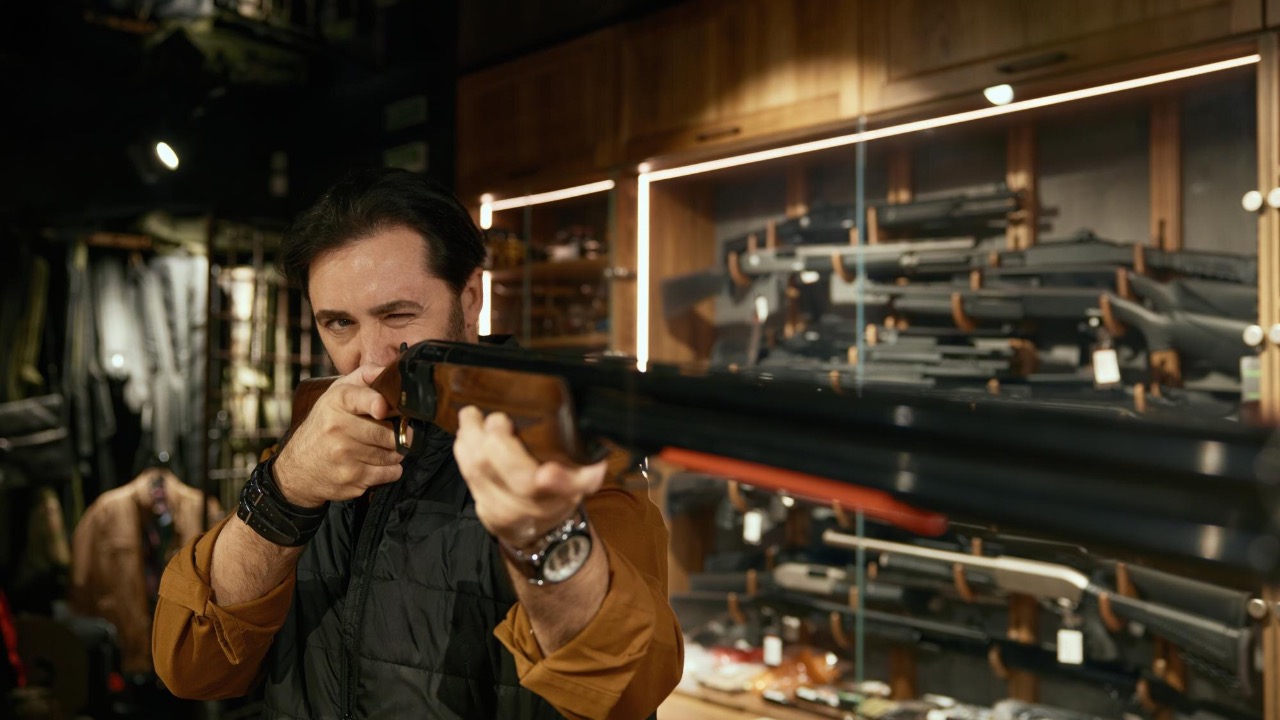
Concerns about follow-home robberies surged after a Houston-area gun shop publicly urged customers to rethink how they travel after buying firearms or visiting the range. In the reporting on that warning, the owner of Full Arm Firearms, James Hillin, described hearing about customers who were trailed from his store and from other local businesses before being robbed at their residences. I read his message as more than a marketing move, because he pointed to specific incidents and a pattern of similar crimes that had already reached his clientele.
Coverage of the same warning framed the story through the experience of a man who was followed home from a gun range, then confronted and robbed in his own parking area. That account, which was highlighted again in a related segment on gun, gave Hillin a concrete example to point to when he told customers that the risk did not end when they left his parking lot. When a shop owner feels compelled to talk publicly about customers being targeted on the drive home, I see it as a sign that a niche crime problem has grown into a community concern.
How a range visit turned into a parking lot ambush
The cautionary tale that helped push this issue into public view centers on a man who left a Houston gun range, drove back to his apartment complex, and then faced an armed group that had apparently followed him. In a video report, the narrator explains that the man was tracked from the range to his residence and that three people were involved in the robbery, which took place once he parked his car and stepped into what he likely assumed was a familiar and safe space. I interpret that sequence as a textbook example of how criminals use distance and routine to their advantage, waiting until a victim is off the main road and boxed in by curbs, buildings, and assigned parking spots.
Later in the same coverage, police say that one person was injured and that the case fit into a wider pattern of follow-home crimes that investigators were already watching. The linked segment that notes Houston police details also points viewers to social media channels where updates about similar incidents appear. When I look at that narrative, I see more than an isolated robbery. I see a method: suspects identify a target at a range, follow at a distance, then strike in a semi-private lot where neighbors may not immediately realize that a crime is unfolding.
“Jugging” and the evolution of follow-home crime tactics
Gun owners and self-defense advocates often use the term “jugging” to describe this kind of stalking robbery, where criminals sit near a bank, a store, or a range and then trail customers who appear to be leaving with cash, valuables, or firearms. In one community discussion of the Houston incidents, a contributor recalls that in the old days jugging often meant parking outside a bank and tailing someone who had just withdrawn money. Now, the same basic tactic has shifted to gun shops and ranges, where thieves can assume that anyone carrying a case or branded bag might have a weapon or ammunition inside. I see that evolution as a sign that criminals are paying attention to where people gather with high-value items and how predictable their routines can be.
Within that same conversation, one participant shares a simple but practical script for anyone who senses a tail: “Watch your back, pay attention. If somebody’s following you, you know, don’t go straight home. Make a left, make a right. See if they follow you.” Those phrases, captured in a thread that cites the Houston jugging warning, line up with what many police departments recommend for anyone who suspects they are being stalked by car. I read them as a reminder that recognizing the pattern early and breaking it with a few deliberate turns can be more effective than any gadget or accessory.
Why gun buyers and range customers are attractive targets
From a thief’s perspective, people who walk out of a gun store or range are attractive because they are likely carrying something that can be quickly resold on the street. A new handgun, a rifle in a case, or even a bag of ammunition can be flipped for cash or traded for other contraband. The coverage of the Houston warning notes that similar sounding robberies have happened to customers of Full Arm Firearms, which suggests that criminals are not just targeting one location but scanning multiple parking lots for anyone who looks like they are leaving with gear. When I put myself in the mindset of someone planning a robbery, I can see why a range or store with steady foot traffic and visible cases would feel like fertile ground.
At the same time, many law-abiding gun owners may assume that simply possessing a firearm makes them less likely to be victimized. I see that assumption as part of the problem, because it can lead people to relax their guard at the very moment they are most visible to criminals. The Houston reporting mentions that incidents have been on a “steady incline” before they “shot all the way up,” which hints at a trend that grew as thieves realized how often they could find loaded targets in the same places. That combination of predictable behavior and misplaced confidence creates an environment where follow-home robberies can thrive until the community makes a conscious effort to change its habits.
Houston’s broader crime context and the role of local ranges
The Houston area has a dense network of gun ranges and shops, including popular facilities like Top Gun Range, which hosts events such as a “Day at the Range with PEW Science” that draw large crowds of enthusiasts. In one podcast description, the host describes Top Gun Range as a Houston hangout and mentions how “They put on the Day at the Range with PEW Science,” highlighting how social and routine these visits can be for regular shooters. When I consider that scene, with people lingering in the parking lot to talk about gear and show off new purchases, I also see how easy it would be for a small group of observers to identify promising targets and follow them out onto the freeway.
Events and memberships, like the PEW Science hangout, are not the cause of follow-home robberies, but they show how predictable the rhythms of range life can be. I see that predictability as a double-edged sword. On one side, it builds community and makes training feel accessible. On the other, it gives criminals a schedule and a map. When the same people visit the same range on the same night each week, then drive home with similar gear in the trunk, those patterns can be exploited unless both shooters and staff treat the parking lot and the drive home as part of the safety plan.
Police guidance and national parallels
Although the Houston reports focus on local incidents, similar follow-home patterns have drawn attention in other major cities. In Los Angeles, for example, the police department has issued a community alert about follow-home robberies that target people leaving restaurants, nightclubs, and high-end stores. That alert urges residents to be aware of their surroundings before exiting a car, walking out of a business, or entering a driveway, and it encourages anyone who spots a suspicious tail to get a description of the suspects and their vehicle for officers. When I compare that guidance with what Houston gun owners are saying, I see the same basic message: the transition from public space to private property is a vulnerable moment.
The Los Angeles alert, which is summarized in a set of follow-home safety tips, also stresses simple habits like scanning mirrors, avoiding distractions, and calling 911 if a suspicious car refuses to break off. I see those steps as directly applicable to anyone leaving a gun shop or range in Houston. The crimes may differ in what the thieves want, but the stalking method is nearly identical. That parallel suggests that follow-home robberies are not a quirk of one city, but part of a broader shift in how some criminals choose their victims.
Practical steps gun owners can take on the drive home
In response to the Houston incidents, I focus on practical habits that ordinary gun owners can adopt without turning every errand into a tactical operation. The first step is to treat the parking lot as part of the range or store experience, not as a mental off-ramp. That means loading gear into the trunk quickly, locking the vehicle, and avoiding long conversations or gear show-and-tell sessions where strangers can see exactly what is going into the car. The Houston-focused coverage on rising follow-home robberies specifically warns against displaying firearms or boxes in public areas, which I interpret as a call to keep cases plain and movements efficient.
Once on the road, I recommend that drivers pay attention to vehicles that leave the lot at the same time and remain behind them through several turns or lane changes. If a car seems to be shadowing them, they can follow the advice shared in the Houston jugging discussion and make a few extra left or right turns to test the pattern. If the suspicious vehicle stays close, I would head toward a public, well lit location such as a supermarket lot or a police station instead of pulling into a driveway. Self-defense groups like A Girl and A Gun echo this logic, advising that “If you feel followed, drive to a public, well lit location” rather than confronting the tail alone. That guidance, captured in their holiday safety tips, lines up neatly with what both police and Houston gun shop owners are telling their communities.
What shops and ranges can do beyond a warning sign
When I look at how Full Arm Firearms responded, I see a model for how other businesses can move beyond simple transactions and into genuine customer safety. By publicly warning that follow-home robberies had affected his customers and those of other Houston shops, James Hillin signaled that he saw a duty to share information, not just sell products. The original report on Hillin’s warning mentions that local police were already investigating cases where victims were trailed from ranges and stores, which suggests that a stronger partnership between law enforcement and businesses could help identify patterns earlier.

Leo’s been tracking game and tuning gear since he could stand upright. He’s sharp, driven, and knows how to keep things running when conditions turn.