The firearms Hollywood made famous — and misunderstood
Hollywood has turned specific firearms into instant visual shorthand, transforming obscure models into icons and cementing a set of cinematic “rules” about how guns look, sound, and behave. The result is a split reality in which audiences recognize the silhouette of a weapon on sight, yet carry away ideas about physics, safety, and technology that often have little to do with how these machines actually work. I want to trace how a handful of famous guns became stars in their own right and how the myths built around them still shape what viewers think they know about firepower.
On screen, these weapons are rarely just props. They are character notes, plot devices, and sometimes punchlines, from a dinosaur hunter whispering “Clever girl” to a trench-coated hero firing two pistols at once. The gap between that stylized language and real-world mechanics is where the story gets interesting, and where the same guns that made careers have also quietly misled generations of moviegoers.
From cult prop to cultural icon
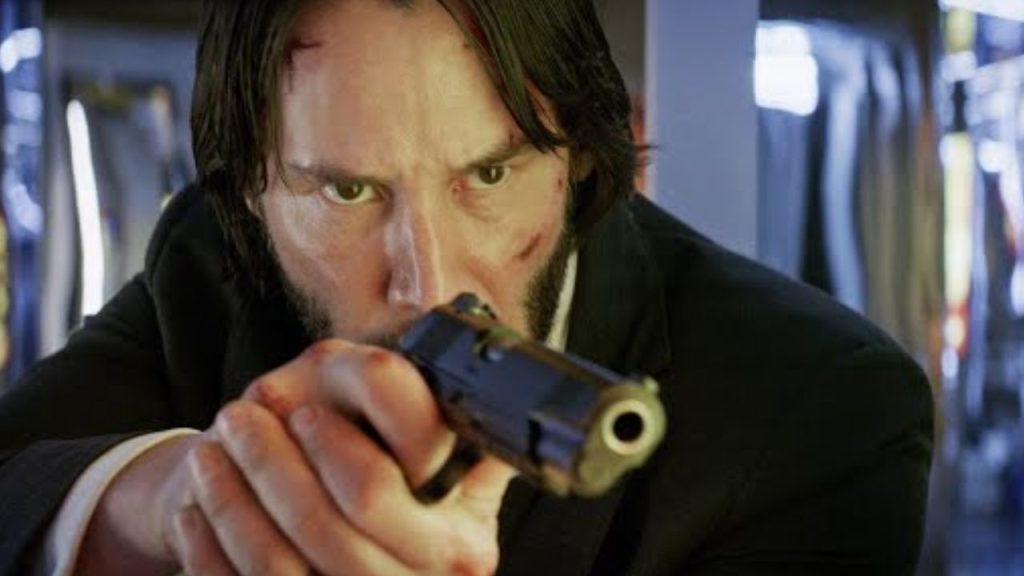
Some firearms were relatively niche tools before the cameras found them, then vaulted into pop culture through a single unforgettable scene. The Franchi SPAS-12 is a prime example, a hybrid shotgun that became instantly recognizable after a character murmured “Clever girl” while swinging it into frame, turning what had been a specialist design into a poster-ready symbol of menace and survival. In guides to movie hardware, the Franchi SPAS is singled out as one of the most recognizable screen guns, proof that a few seconds of film can do more for brand awareness than any catalog.
That same process has played out across genres, from war epics to sci‑fi. When a fully automatic Class III M60 machine gun, similar to the ones carried by action heroes, sold for $69,000 at Rock Island Auction Company and, it underscored how much screen exposure can inflate the aura around a particular model. Collectors are not just buying steel and wood, they are buying a connection to the scenes that burned these silhouettes into public memory.
Revolvers, reloads, and the Western that never ends
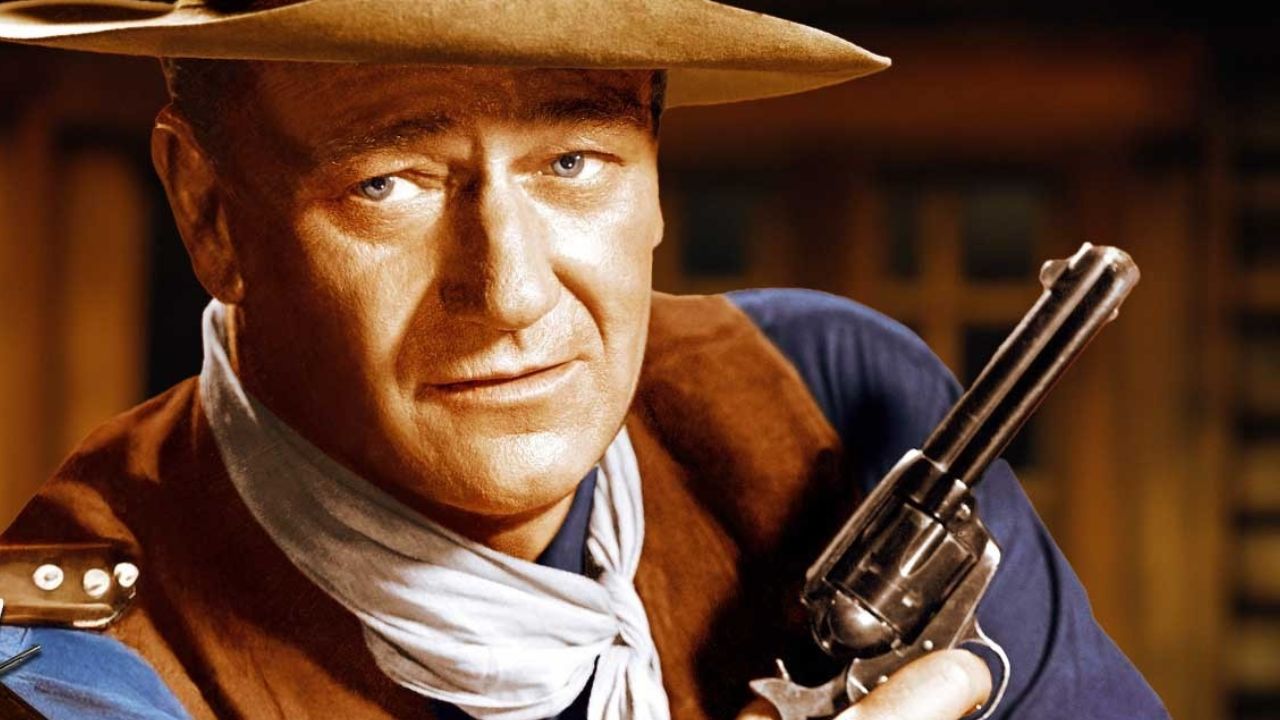
Nowhere is the gap between cinematic style and mechanical reality clearer than in the way Westerns handle revolvers. Classic six‑shooters are often fired in long, uninterrupted flurries, with heroes emptying what sounds like a dozen rounds before anyone even thinks about reloading. In reality, Colt Single Actions and their clones load through a side‑loading gate, one cartridge at a time, a slow and deliberate process that would force any real gunfighter to plan every shot.
That mechanical constraint rarely appears on screen, where directors favor uninterrupted gunplay over the tension of a careful reload. The result is a subtle but powerful distortion: audiences come away believing that a cowboy’s revolver is effectively bottomless until the script demands a dramatic click. When those same viewers later encounter discussions of capacity, reload speed, or historical gunfights, they are often surprised by how much slower and more methodical the real thing had to be.
Plastic, “undetectable” guns and the airport myth
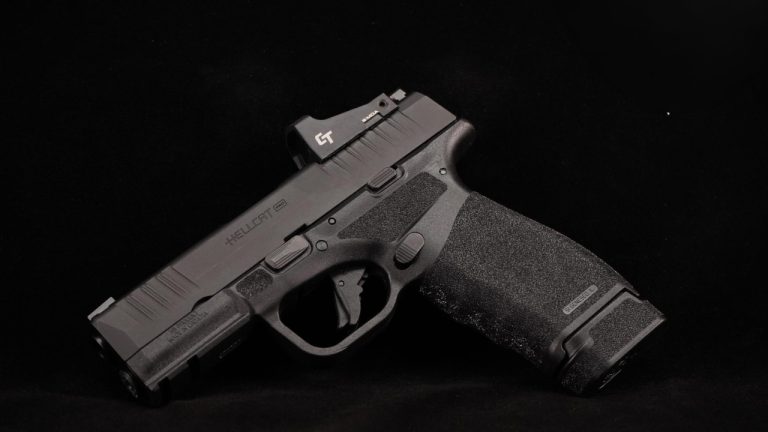
Modern thrillers have added a new layer of fantasy by treating polymer‑framed pistols as invisible contraband that can slip through metal detectors. The trope usually hinges on a villain brandishing a “plastic gun” that supposedly defeats airport security by virtue of its materials. In reality, even the most advanced polymer designs still rely on metal barrels, slides, and internal parts, which is why security experts have pushed back against the idea that Plastic Fantastic pistols could ever be truly invisible to scanners.
That misunderstanding persists because it is narratively convenient. A weapon that can bypass checkpoints raises the stakes in a single line of dialogue, even if it ignores how detectors and X‑ray systems actually work. By repeating the myth that Plastic guns cannot be detected by airport security equipment, films feed a lingering anxiety that technology is always one step behind, when in practice regulators have long required that firearms contain enough metal to be easily identified.
Silencers, muzzle flash and the sound of movie violence
Sound design might be where Hollywood’s creative license is most obvious. Suppressed shots are often portrayed as whisper‑quiet puffs, suitable for use in crowded rooms without anyone noticing, even though real devices only reduce noise to the point where hearing protection might not be mandatory. The very word Silencer comes from Hiram Percy Maxim, who coined the term for his invention, but the label has encouraged audiences to expect near‑total quiet rather than a moderated crack.
Visual effects compound the confusion. On screen, Muzzles Always Flash, even in bright daylight or with ammunition that would not produce a dramatic fireball, because that flash helps editors sell each shot. Video breakdowns of common myths point out that films also pretend Silencers make guns super quiet, even though the physics of burning powder and supersonic bullets set hard limits on how discreet a firearm can be.
These choices are not accidents. Creators have openly acknowledged that they exaggerate both flash and suppression because audiences have been trained to expect those cues. Once viewers associate a certain hiss or flare with “gunshot,” deviating from that template risks confusion, even if the more accurate version would be safer or more informative.
Recoil, flying bodies and the physics problem
Action scenes routinely ignore basic Newtonian physics in favor of spectacle. Characters absorb multiple hits and keep sprinting, while a single shotgun blast sends a villain cartwheeling backward through a window. Lists of common mistakes call out the recurring image of People Flying Backward, a visual that looks dramatic but would require the shooter to experience an equal and opposite shove that almost never appears.
At the same time, many films pretend that Guns Have No, letting heroes fire powerful rifles one‑handed without so much as a flinch. Video essays catalog how often characters ignore the need to brace, lean, or recover between shots, even though anyone who has fired a full‑power cartridge knows that recoil management is a skill in itself. The combined effect is a world where bullets move people like cannonballs, yet the guns that launch them behave like toys.
Endless magazines, constant cocking and other mechanical myths
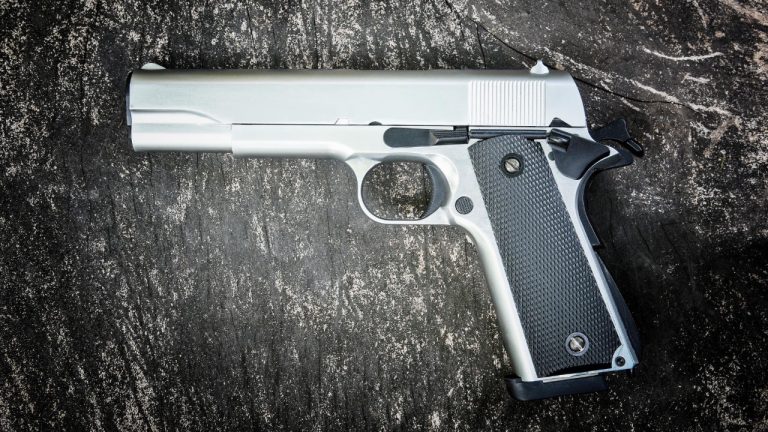
Mechanical details are another casualty of style. Semi‑automatic pistols are frequently racked and cocked over and over, even when the character has not fired a shot since the last dramatic close‑up. Commentators have labeled this habit Pistols Are Cocked, a tic that looks tense on camera but would, in reality, eject live rounds onto the floor and risk malfunctions. It is a small flourish that quietly teaches viewers the wrong way to handle a slide.
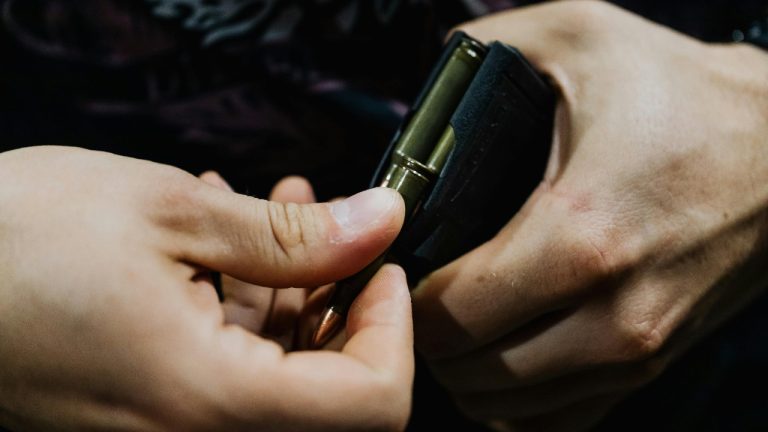
Capacity myths run in parallel. Audiences have grown used to guns that never seem to run dry until a climactic moment, at which point the weapon emits a loud, distinct click that signals an empty magazine. Lists of screen‑born myths point out that many films treat Guns Click When, even though most modern designs lock the slide or bolt open instead of producing a theatrical sound. The real indicator is visual and tactile, not an audible cue timed to the script.
Dual‑wielding, choreographed chaos and the “Hollywood gun” look
Stylistic gunplay has become its own language, especially in action films that lean into balletic violence. One recurring image is the hero firing a pistol in each hand while weaving through enemies, a move that looks dynamic but sacrifices almost all practical accuracy. In one influential example, In Equilibrium, Christian Bale dual wields Beretta 92FS pistols as part of a fictional martial art built around gun kata, turning the Beretta into a kind of dance partner rather than a precision tool.
Analysts of screen tropes sometimes refer to this stylized aesthetic as the “Hollywood gun” look, a blend of glossy finishes, oversized muzzle flashes, and perfectly timed slide locks that prioritize visual rhythm over plausible technique. Video breakdowns narrated by VOICE OVER and credited to Ryan Wild WRITTEN BY Lindsey Clouse Hollywood, invite viewers to Join in spotting how choreography often trumps fundamentals like sight alignment or trigger control. The more audiences internalize that language, the more real‑world technique can look “wrong” simply because it is less theatrical.
Supporting sources: Myths Hollywood Taught, Top 10 Most, Top 15 Gun.

Leo’s been tracking game and tuning gear since he could stand upright. He’s sharp, driven, and knows how to keep things running when conditions turn.