The most fearless animals on Earth in 2026
You spend enough time outdoors, and you start to separate tough animals from truly fearless ones. Tough can mean big, fast, or well-armed. Fearless is different. It’s an attitude—an animal that doesn’t back down when it probably should, one that presses forward whether it’s outmatched or not.
Across the world, a handful of species have built that reputation the hard way. Some punch far above their weight. Others simply refuse to quit once they’ve committed. If you ever cross paths with one, you’ll understand quick that fearlessness isn’t about size—it’s about how an animal reacts when things go sideways.
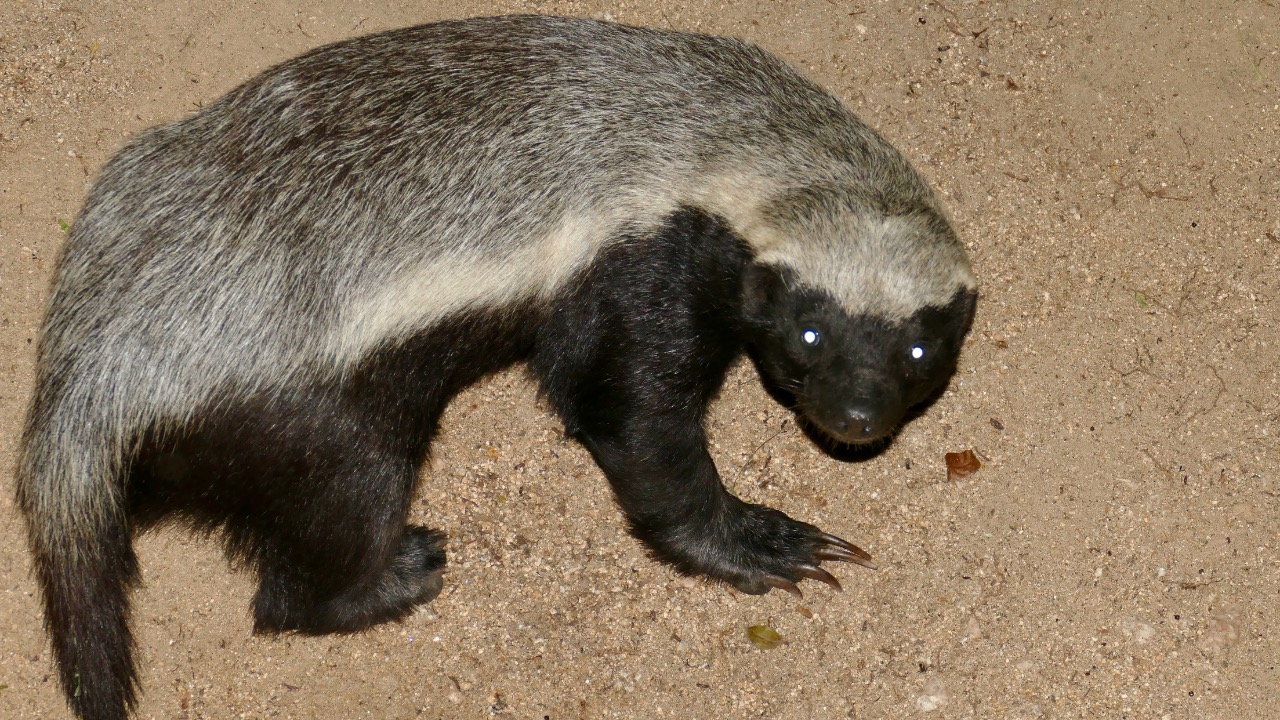
Honey Badger
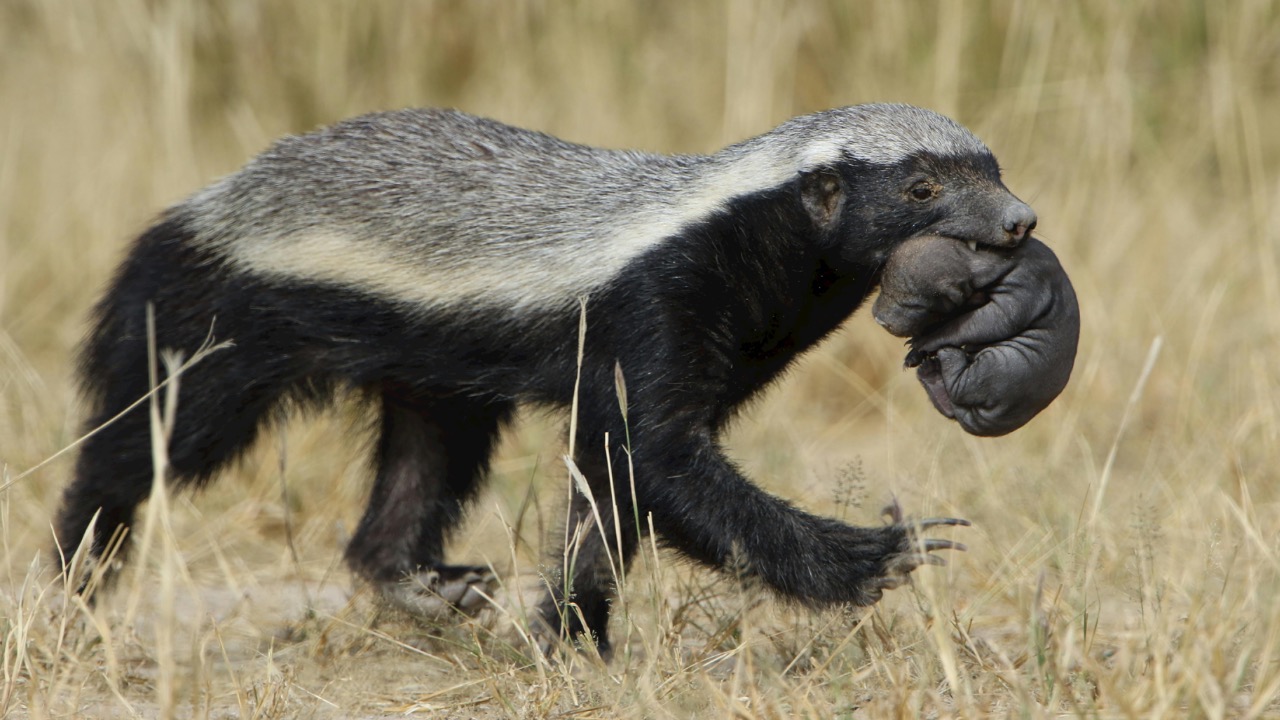
You’ve heard the stories, and most of them hold up. Honey badgers have a reputation for taking on snakes, raiding beehives, and standing their ground against predators that outweigh them several times over.
A big part of that comes down to thick skin and a loose hide that lets them twist free if grabbed. But more than that, it’s their mindset. They don’t bluff much. When pushed, they commit fully, teeth first. In the wilds of Africa and parts of Asia, they’ve been seen driving off lions and hyenas. It’s not that they always win—it’s that they don’t seem wired to consider backing down.
Wolverine
If you spend time in the northern backcountry, the wolverine is one animal you respect without ever seeing. Pound for pound, it’s one of the most aggressive mammals out there.
Wolverines regularly push wolves off carcasses and have been documented challenging bears. Their build is compact but powerful, with jaws strong enough to crush frozen meat and bone. When food is on the line, they don’t hesitate. Harsh environments shape behavior, and in those cold regions, hesitation costs you. The wolverine’s approach is direct and relentless, which is exactly why larger predators often give it space.
Cape Buffalo
Ask any professional hunter in Africa which animal they trust the least, and the Cape buffalo comes up fast. It doesn’t look reckless at first glance, but that changes the moment it decides to engage.
Buffalo have a habit of circling back when wounded, using thick cover to set up an ambush. They don’t always flee when pressured—instead, they turn and come straight in. A mature bull carries serious weight and muscle behind that charge. It’s not speed alone that makes them dangerous, it’s the willingness to stand their ground and press the fight when most animals would break away.
Tasmanian Devil
You won’t find a lot of size on a Tasmanian devil, but you’ll hear it before you see it. Their vocalizations alone sound like something much larger, and that’s part of how they handle competition.
They’re scavengers by nature, but when food is scarce, they don’t hold back. Devils will fight each other with a level of intensity that leaves lasting damage. Strong jaws and a willingness to escalate quickly make them formidable in tight quarters. They don’t rely on intimidation alone—when things turn physical, they follow through. In the wild, that edge keeps them in the game.
African Elephant
You might not think of elephants as fearless until you see a bull in musth or a herd protecting calves. When that switch flips, there’s no hesitation.
An elephant doesn’t need to prove anything, but when it chooses to act, it commits fully. Charges can be fast, direct, and hard to read if you’re not experienced. Most encounters end without contact, but the ones that don’t are serious. Their size gives them an advantage, but it’s the decision to use it that defines their behavior. In those moments, they don’t bluff for long.
Komodo Dragon
On a remote Indonesian island, the Komodo dragon sits at the top of its food chain, and it acts like it. These lizards don’t shy away from large prey, including deer and water buffalo.
They rely on a mix of ambush and persistence. A bite alone can set things in motion, and they’ll track wounded prey over distance. What stands out is their willingness to engage animals that can fight back hard. There’s no hesitation once they commit. In their environment, backing off means losing a rare opportunity at a meal.
Black Mamba
Fearless doesn’t always mean aggressive, but the black mamba has a reputation for standing its ground when cornered. It’s fast, alert, and capable of delivering multiple strikes in quick succession.
Most snakes prefer to escape, and the mamba will too if given space. But when it can’t, it doesn’t hesitate. It raises its body, spreads its hood, and reacts with speed that’s hard to track. That combination makes it one of the most respected snakes in Africa. It’s not looking for trouble, but it won’t freeze when trouble finds it.
Grizzly Bear
Spend enough time in grizzly country and you learn to read signs early. These bears aren’t reckless, but when they decide to act, there’s nothing halfway about it.
A defensive sow with cubs or a bear on a carcass can turn aggressive fast. Charges can cover ground quicker than most people expect. What sets them apart is confidence—they don’t rely on bluff alone if they feel pressured. Most encounters end with the bear disengaging, but the margin for error is thin. When they commit, they bring weight, speed, and intent all at once.
Moose
A moose doesn’t look like a fighter until you’re too close. They’re large, unpredictable, and more willing to engage than people assume.
During the rut or in winter when food is tight, their tolerance drops. They’ll charge without much warning, using long legs and sharp hooves to strike. It’s not about hunting—it’s about removing a threat. That reaction can come fast if they feel cornered or stressed. In the North, more people get hurt by moose than by large predators, and that says plenty about how they handle pressure.
Wild Boar
Wild boar don’t have the size of larger game, but they make up for it with aggression and speed. A wounded boar is one of the more dangerous situations you can step into.
They’re built low and tough, with sharp tusks that can do serious damage in close quarters. When pushed, they don’t always run—they charge. Thick brush gives them an advantage, letting them close distance fast. Hunters who’ve dealt with them know how quickly things can turn. It’s not a long, drawn-out fight. It’s sudden, direct, and over before you’ve got time to rethink your position.

Asher was raised in the woods and on the water, and it shows. He’s logged more hours behind a rifle and under a heavy pack than most men twice his age.