Guns that don’t need constant fixing
Some guns earn trust because they shoot well on day one. Others earn it because they keep shooting years later without parts breaking, screws backing out, or reliability turning into a weekend project. If you’ve spent enough time hunting, training, or riding rough country with a firearm, you learn which designs stay out of the gunsmith’s queue. These are the rifles, shotguns, and handguns that don’t demand tuning sessions or aftermarket rescues. They work because their designs were settled long ago, tolerances make sense, and materials hold up. You spend your time shooting them instead of diagnosing them, which is how a working gun ought to behave.
Ruger GP100

The GP100 is built like a revolver meant to be used hard and put away dirty. The frame, crane, and lockwork are overbuilt, which means timing stays consistent longer than on lighter revolvers.
You won’t spend time chasing endshake or misalignment. The trigger smooths out with use rather than wearing out. Springs and internal parts rarely fail under normal shooting. If you want a revolver that doesn’t need frequent tuning or timing checks, the GP100 keeps doing its job without reminding you it exists.
Glock 19
The Glock 19 keeps running because there’s very little going on inside it. The striker system is straightforward, springs last a long time, and the slide rails aren’t stressed in ways that cause premature wear. You can run thousands of rounds without touching anything beyond basic cleaning.
You’ll notice that small issues don’t stack up. Pins stay put, magazines keep feeding, and the gun doesn’t drift out of tolerance over time. Even when abused, the Glock 19 tends to keep cycling. That’s why so many people run them stock for years without chasing upgrades or troubleshooting recurring problems.
Remington 700 (Older Production)
Older Remington 700 rifles earned their reputation by staying put once they were set up correctly. The action locks up consistently, the bolt wears evenly, and the design doesn’t rely on delicate parts. When bedded properly, these rifles tend to hold zero for years.
You aren’t constantly tightening screws or replacing components. The trigger groups, when maintained, last a long time without adjustment. That’s why so many older 700s are still hunting every fall. They don’t demand attention unless you start modifying them beyond their original purpose.
Mossberg 500
The Mossberg 500 survives because it tolerates abuse without losing function. The action bars are sturdy, the aluminum receiver resists corrosion, and the dual extractors keep hulls coming out even when the chamber is dirty.
You can leave it in a truck, drag it through wet weather, and keep shooting. The safety stays functional, the pump doesn’t bind easily, and parts don’t loosen under recoil. It’s not refined, but it doesn’t drift into unreliability. That’s why so many of these shotguns stay in service for decades with minimal attention.
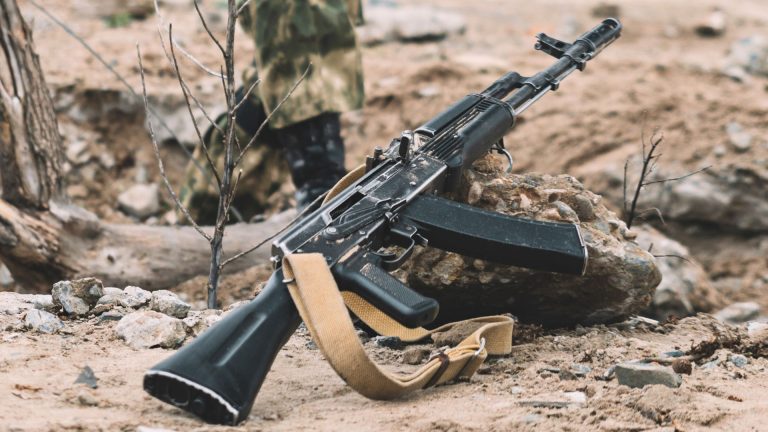
AKM Pattern Rifles
AKM rifles stay running because they were never designed around tight tolerances. The long-stroke piston has enough momentum to push past fouling, and the bolt lugs don’t mind dirt or carbon buildup.
You don’t need constant adjustments or replacement parts to keep them alive. Springs last, gas systems don’t drift, and magazines feed reliably even when worn. Accuracy may never impress you, but function remains steady. If your goal is a rifle that doesn’t demand maintenance attention, the AKM earns its keep.
Marlin 336
The Marlin 336 lever gun stays relevant because its action is enclosed and protected. Dirt and debris have a hard time getting where they don’t belong, and the locking system doesn’t beat itself up over time.
You won’t deal with frequent feeding issues or shifting zero if the rifle is mounted correctly. Screws tend to stay tight, and the action wears evenly. Many of these rifles are still hunting after generations of use, which tells you everything about how little they ask from their owners.
CZ 75
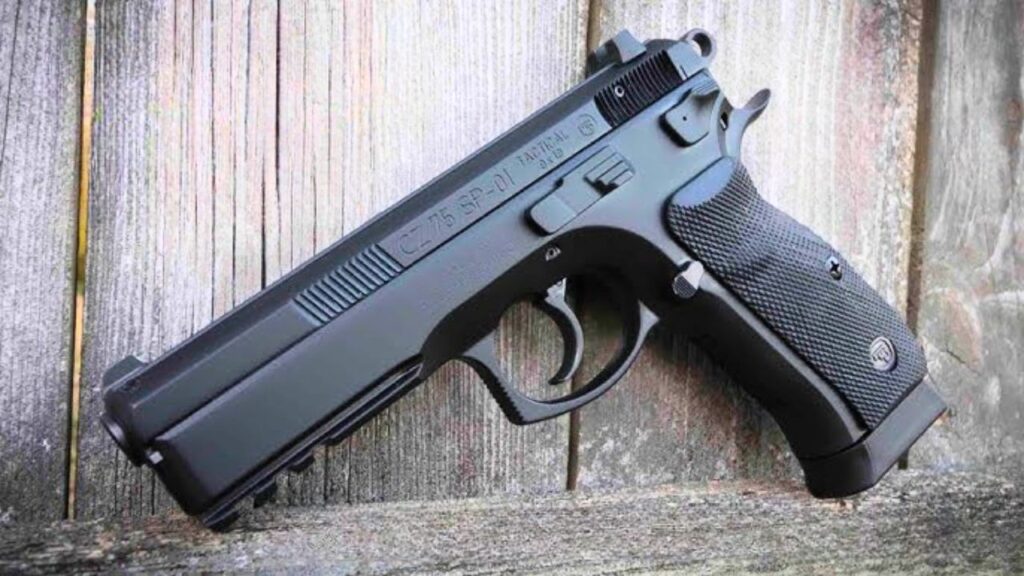
The CZ 75 has a reputation for running well past high round counts without internal drama. The slide rides inside the frame, spreading wear over more surface area and reducing stress on rails.
You’ll find that springs last, locking surfaces stay consistent, and the gun keeps feeding without tuning. The trigger improves with use instead of degrading. Shooters often leave these pistols stock because they don’t demand fixes. That reliability over time is why so many military and police units trusted the design.
Savage 110
The Savage 110 doesn’t get much attention, which is part of why it works. The barrel nut system keeps headspace consistent, and the action handles pressure without shifting.
Once zeroed, these rifles tend to stay put. The trigger groups are durable, and bolts don’t develop slop easily. You don’t need to chase bedding issues or replace parts to maintain accuracy. For a rifle that quietly does its job without needing help, the 110 earns its reputation.
Smith & Wesson Model 10
The Model 10 is a revolver that lasts because nothing about it is stressed. Fixed sights, moderate calibers, and a proven lockwork design keep everything in alignment.
You won’t deal with timing issues unless the gun has been abused. The internals wear slowly, and the frame holds its shape. Many examples have seen decades of service without needing more than cleaning and lubrication. It’s the definition of a sidearm that stays out of its own way.
Browning A-Bolt
The Browning A-Bolt earned trust by staying consistent. The bolt locks up evenly, the trigger remains predictable, and the stock bedding doesn’t shift easily under recoil.
You’re not constantly adjusting mounts or correcting wandering point of impact. The rifle cycles smoothly without developing quirks over time. Hunters often leave these rifles unchanged for years because there’s nothing demanding attention. When a rifle doesn’t introduce new problems season after season, it proves its worth.
Beretta 92FS
The Beretta 92FS keeps running because its open-slide design clears debris naturally. The locking block, when maintained, lasts a long time and spreads stress efficiently.
You won’t spend much time diagnosing feeding or extraction problems. The gun tolerates varied ammunition and keeps cycling when dirty. Controls stay functional, and magazines hold up well. It may be large, but it doesn’t punish owners with constant fixes or reliability puzzles.
Winchester Model 70
The Model 70 remains respected because the action is mechanically sound. Controlled-round feed models handle cartridges smoothly, and the bolt doesn’t develop slop easily.
Once set up, these rifles tend to stay zeroed. The trigger systems are durable, and stocks don’t flex enough to cause issues. Many Model 70s are still hunting hard decades later without major work. That kind of longevity only comes from a design that doesn’t need constant attention.

Asher was raised in the woods and on the water, and it shows. He’s logged more hours behind a rifle and under a heavy pack than most men twice his age.