Guns that punish high-volume shooters
If you shoot a lot—classes, competitions, long range days, or weekend marathons—you learn fast which guns cooperate and which ones grind you down. Some firearms feel fine for a box or two, then start chewing up hands, shoulders, patience, or wallets once the round count climbs. Heat management, recoil impulse, ergonomics, maintenance demands, and parts wear all start to matter. These guns aren’t unsafe or useless. They simply extract a toll when you push volume. If you’re the type who burns ammo and trains hard, these are the platforms that tend to push back the hardest.
Glock 29
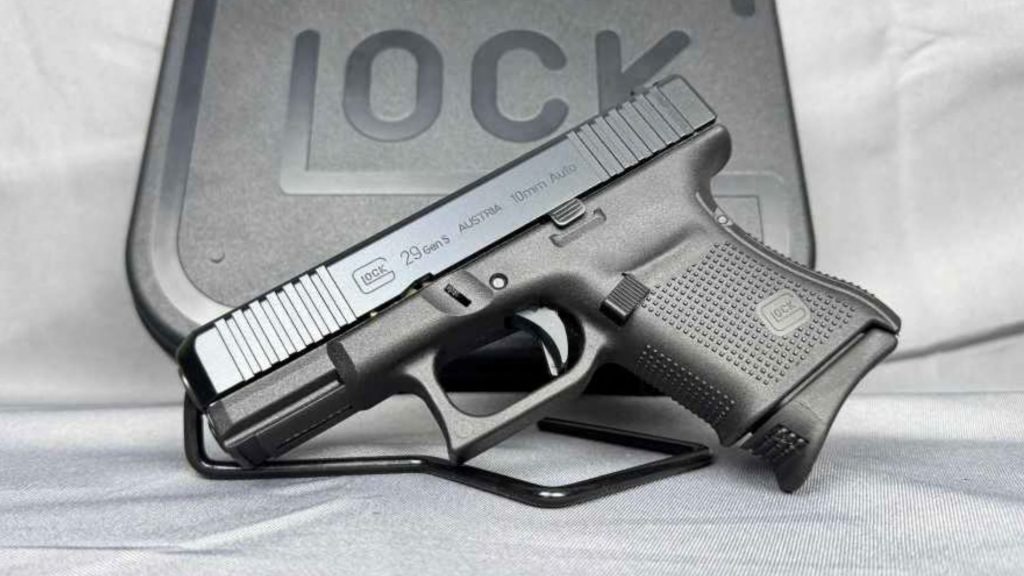
The Glock 29 packs 10mm power into a compact frame, and that combination gets old fast during long sessions. Recoil stacks up quickly, and the short grip forces your hands to work harder to control the gun shot after shot.
After a few hundred rounds, fatigue becomes the limiting factor, not accuracy. The snappy impulse slows follow-ups and wears on wrists. It runs reliably, but high-volume shooters feel every compromise baked into the design. It’s effective, but it makes you pay for staying on the trigger all day.
Smith & Wesson Airweight Revolvers
Airweight J-frames are easy to carry and miserable to shoot in volume. The light frame transfers recoil straight into your hand, and the narrow grip offers little relief as round counts climb.
Trigger pull alone becomes exhausting during extended sessions. Add sharp recoil and minimal sights, and fatigue arrives fast. These revolvers are dependable, but they discourage practice by design. When you try to run serious volume through one, your hand taps out long before your ammo supply does.
FN SCAR 17
The SCAR 17 is powerful and accurate, but extended shooting exposes its rough edges. Recoil impulse is abrupt, and the reciprocating mass creates movement that wears on your shoulder over time.
Heat builds quickly, and the rifle’s balance never quite settles into a comfortable rhythm. After long strings, maintaining consistency becomes work. It’s effective and proven, but it demands more physical effort per round than many shooters expect when volume becomes the goal.
Kel-Tec Sub-2000
The Sub-2000 is light and portable, but high round counts reveal its limits. The trigger is long and stiff, and the narrow stock transfers recoil into awkward pressure points.
Heat buildup around the barrel and hand area becomes noticeable during extended strings. Controls feel cramped, and consistency drops as fatigue sets in. It’s functional, but it punishes repetition. High-volume shooting turns minor quirks into constant irritations.
Ruger LCP
The Ruger LCP was never meant for long range days, and it shows immediately. Sharp recoil, minimal grip surface, and tiny sights punish your hands fast.
Even experienced shooters struggle to maintain control past a few magazines. Trigger pull becomes tiring, and accuracy degrades as fatigue builds. It serves its intended role, but extended shooting sessions turn into an endurance test rather than productive practice.
Mossberg 590A1
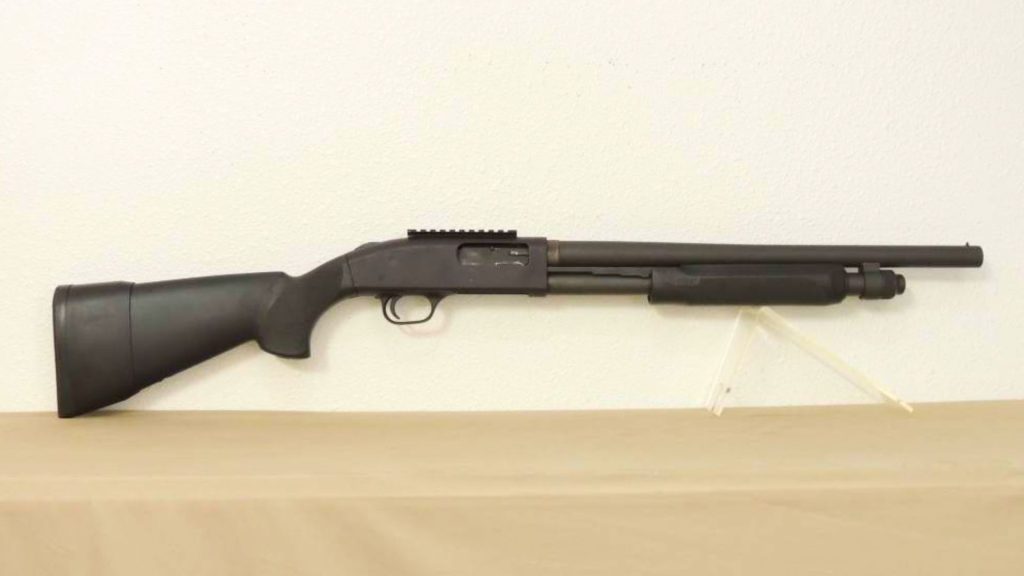
The 590A1 is durable, but running high round counts through a pump shotgun is physically demanding. Recoil stacks quickly, and repeated cycling wears on shoulders and arms.
Long sessions expose the cost of every shot. Pumping under fatigue leads to short-strokes and slower follow-ups. The gun keeps working, but your body feels every round. High-volume shotgun work with this platform is more punishment than training.
Springfield XD-S
The XD-S delivers power in a small frame, but extended shooting highlights its drawbacks. Grip texture and size concentrate recoil into a small contact area.
Trigger travel and reset slow cadence during long strings. After a few hundred rounds, hand fatigue becomes unavoidable. It’s manageable in short sessions, but sustained shooting turns comfort into a liability you can’t ignore.
AKM Pattern Rifles
AKM rifles are durable, but they aren’t built for shooter comfort over long days. Rough triggers, short stocks, and sharp recoil impulse add up fast.
Heat management is poor during sustained fire, and ergonomics demand constant adjustment. You can keep shooting, but efficiency drops as fatigue sets in. They run hard, but they make the shooter work harder than necessary when volume climbs.
Lightweight .44 Magnum Revolvers
Short-barreled .44 Magnum revolvers deliver authority with every shot, and that authority compounds quickly. Recoil is abrupt and unforgiving during extended sessions.
Grip pressure and trigger pull wear you down fast. Even experienced shooters find accuracy slipping as hands fatigue. These revolvers are powerful tools, but high-volume shooting turns them into a physical penalty box.
Ruger Mini-14
The Mini-14 is handy, but sustained shooting exposes heating and consistency issues. As the barrel warms, groups often open, forcing you to slow down.
Recoil impulse and stock geometry don’t encourage long sessions. Magazine changes and manual of arms add effort that compounds over time. It functions, but it rarely rewards volume with comfort or consistency.
Beretta 92FS

The 92FS is reliable, but high round counts highlight its size and trigger system. The double-action first pull and long reset demand constant focus.
Grip circumference fatigues smaller hands, and extended sessions reveal wrist strain. It runs clean, but volume magnifies every ergonomic compromise. You can shoot it all day, but you’ll feel it the next morning.
Lightweight AR Pistols
Short-barreled AR pistols with minimal buffering punish shooters during long strings. Blast, recoil, and noise stack up quickly.
Heat management becomes an issue, and the aggressive impulse slows follow-ups. Even experienced shooters feel fatigue set in earlier than expected. These guns function, but they demand more tolerance than most high-volume shooters are willing to give.

Asher was raised in the woods and on the water, and it shows. He’s logged more hours behind a rifle and under a heavy pack than most men twice his age.