Rifles That Fail in the Rain Every Time
Rain is the great equalizer in the field. A rifle that performs perfectly in dry conditions can become unreliable when the weather turns, leaving even skilled shooters frustrated. Water can affect feeding, extraction, and trigger feel, exposing flaws in design, materials, or tolerances. Some rifles handle moisture well, but others turn every hunt into a lesson in patience and improvisation. Knowing which rifles struggle in wet conditions can save you from disappointment when the storm rolls in. Here’s a list of rifles that consistently reveal their weaknesses in the rain, and why even experienced shooters hesitate to rely on them.
Ruger American
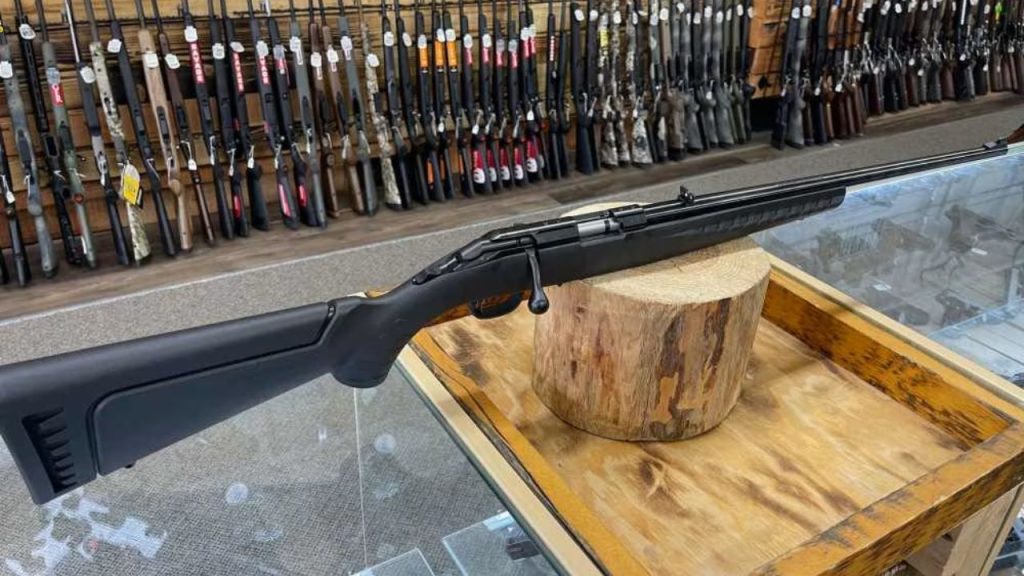
The Ruger American is dependable in dry conditions, but its synthetic stock and bedding system aren’t forgiving in persistent rain. Moisture can seep into the action, making bolt manipulation sluggish and feeding inconsistent.
Triggers, while adjustable, often feel gritty when wet. Even experienced hands find themselves pausing to clear water or debris between shots. While Ruger rifles are solid for most situations, the American’s design doesn’t handle prolonged wet weather well, leaving it prone to misfeeds and diminished accuracy. For hunters who frequently face rain, it can turn a manageable day into a frustrating slog of stopped-up actions and compromised performance.
Mossberg Patriot
Mossberg’s Patriot rifle has a solid reputation, but the budget-friendly construction reveals its limitations in rain. Water can affect the bolt and magazine, slowing cycling and creating jams that interrupt your rhythm.
Stock materials don’t repel moisture as effectively as premium composites, leading to a heavier, slippery grip. Experienced shooters notice inconsistent extraction in damp conditions, forcing extra attention to feeding and ejection. While fine in fair weather, the Patriot often punishes those who push it into rainy hunts, turning what should be a smooth, reliable rifle into a source of repeated frustration.
Remington 700 (Budget Lines)
Remington 700s in budget configurations often struggle with wet conditions. Moisture in the stock bedding or poorly protected action can affect reliability, making feeding and extraction finicky.
Triggers, while functional, sometimes develop a sticky feel when damp. Even skilled shooters accustomed to 700s notice that the rifle requires more care in rain than they expect. Without meticulous drying and maintenance, misfires or stovepipe-style failures become common, turning a once-trusted platform into a temperamental companion in wet weather.
Savage Axis
The Savage Axis is accurate for the price, but prolonged exposure to rain exposes its shortcomings. The synthetic stock and action tolerances allow water to interfere with smooth operation.
While the AccuTrigger is normally a highlight, it can feel less crisp when damp. Shooters familiar with Savage rifles in dry conditions often find themselves adjusting for slower cycling or unexpected stoppages. The Axis works, but it rarely thrives in wet, rainy hunts, forcing hunters to adapt or risk frustrating failures at critical moments.
Browning X-Bolt (Standard Models)
Browning X-Bolt rifles are generally solid, but standard models can reveal weaknesses in rain. Water can accumulate around the bolt or scope mounts, affecting cycling and zero retention.
Even skilled shooters experience sluggish bolt manipulation and minor feeding issues when the rifle is wet. Stock finish may resist moisture to a degree, but repeated exposure softens recoil pads and grips, reducing control. What is typically a comfortable, accurate rifle becomes more challenging, making rainy hunts a test of patience and maintenance.
Winchester Model 70 (Post-1964)
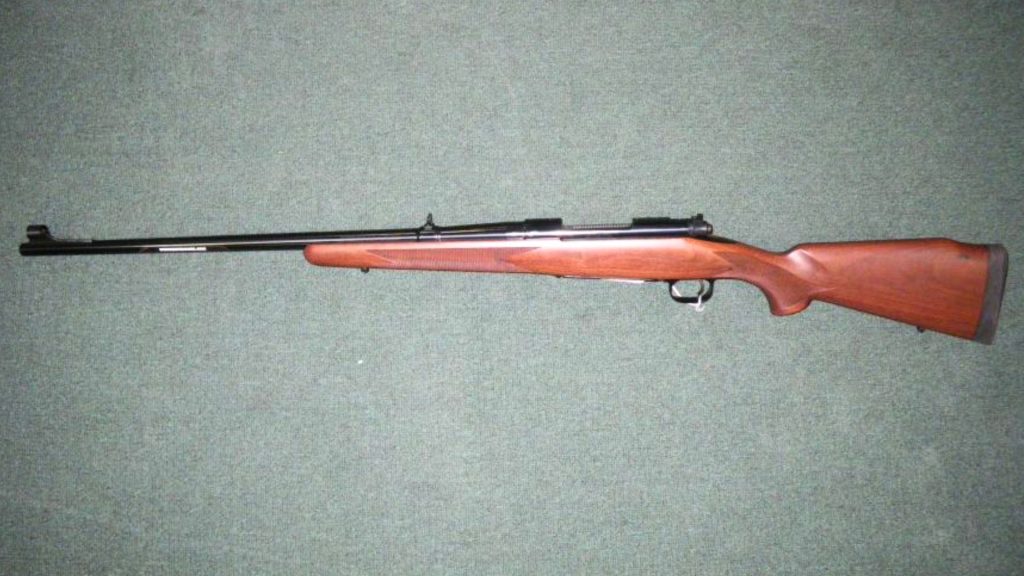
Modern Model 70s have lost some of the pre-1964 weather-resistant design elements. Push-feed actions are more sensitive to wet conditions, leading to potential feeding failures.
Trigger feel can also be inconsistent when damp, and stock finish may absorb water rather than repel it. Experienced hunters notice that prolonged rain can slow bolt cycling and occasionally jam cartridges. For a rifle known historically for reliability, the modern versions demonstrate that weather-proofing is not automatic, leaving shooters frustrated in adverse conditions.
Ruger Gunsite Scout
The Gunsite Scout is compact and handy, but rain can expose its ergonomic and action limitations. Water can collect around the magazine and trigger guard, making manipulation tricky.
Follow-up shots may be slowed as the action feels sticky or stiff. Even skilled shooters accustomed to the rifle find themselves pausing to clear moisture from the stock and barrel. While capable in dry conditions, the Gunsite Scout reveals its vulnerabilities when the weather turns, requiring careful attention and frequent maintenance to remain functional.
FN SCAR 17
The SCAR 17 is powerful, but moisture in the rain can affect its long-stroke piston system and ejection patterns. Recoil and cycling can feel inconsistent when the rifle is wet.
Even experienced shooters notice that controls become slippery, and mud or water in the stock or rails complicates handling. What is usually a smooth, reliable rifle becomes a challenge to operate in persistent rain, with feed and extraction issues testing patience and forcing extra care in handling.
Thompson/Center Compass
The T/C Compass is a budget-friendly platform, but rain exposes its feeding and extraction quirks. Water in the action can lead to failures to cycle or eject properly.
Trigger and bolt feel diminish in damp conditions, requiring extra attention to maintain performance. Even skilled shooters find themselves troubleshooting jams or sluggish actions. While it works under normal conditions, the Compass rarely excels in heavy or prolonged rain, reminding hunters that budget rifles have limits in harsh environments.
Marlin X7
The Marlin X7 functions well dry, but rain can affect its semi-automatic gas system. Moisture can slow cycling and create occasional stovepipe failures.
Even shooters familiar with the rifle notice follow-up shots requiring more deliberate manipulation. Stock and grip materials absorb moisture, reducing control and comfort. Rain transforms what should be a smooth shooting experience into a series of minor frustrations that accumulate quickly, especially on extended hunts.
Winchester 70 Safari (Modern Versions)
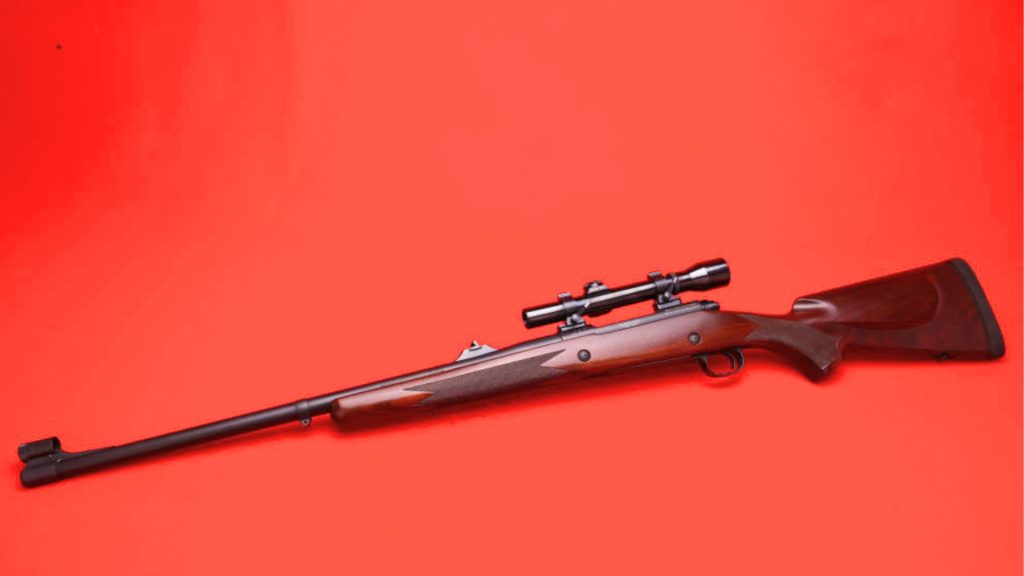
Modern Winchester 70 Safari rifles are robust in design but sensitive to wet conditions. Water can affect bolt manipulation, feeding, and stock feel.
Triggers are functional but can feel sticky when damp. Experienced shooters notice reduced fluidity in cycling and minor grip issues when handling wet surfaces. What is normally a high-performing rifle becomes more demanding in persistent rain, requiring care and attention that can take away from hunting focus.
Savage 11/111 Series
The Savage 11/111 rifles handle well in dry conditions, but water affects the bedding and synthetic stocks in wet environments. Cycling and trigger feel can be less predictable when damp.
Experienced hunters often find the rifle slower to operate, with occasional misfeeds or ejection issues. While capable, prolonged exposure to rain transforms the rifle into a platform that requires constant attention, detracting from its normally reliable performance.
Remington 700 SPS
The Remington 700 SPS, while popular, shows its age in wet weather. Moisture can interfere with feeding, bolt smoothness, and trigger feel.
Even skilled shooters accustomed to 700s may find follow-up shots slower and less precise. Water infiltration around the stock bedding reduces accuracy consistency, turning an otherwise reliable rifle into a temperamental tool that struggles to maintain function in persistent rain.

Asher was raised in the woods and on the water, and it shows. He’s logged more hours behind a rifle and under a heavy pack than most men twice his age.