Rods that feel right in lakes but wrong at sea
Some fishing rods feel perfectly tuned on a quiet lake, then suddenly clumsy and outmatched the moment they see open water. The difference is not superstition, it is design: rods are built around specific environments, species and stresses, and the traits that shine in freshwater can become liabilities in saltwater. When I look at gear that feels “right” in one setting and “wrong” in another, I see a pattern of tradeoffs that anglers ignore at their peril.
Understanding those tradeoffs matters more as anglers mix weekend pond trips with occasional coastal runs. A rod that is light, sensitive and forgiving on a bass lake can struggle against surf, current and corrosion, while a stout saltwater stick can feel like a broom handle when you are trying to finesse a jig for crappie. The gap between those experiences is where many anglers waste money, miss fish and damage gear.
Why freshwater rods feel so good on lakes
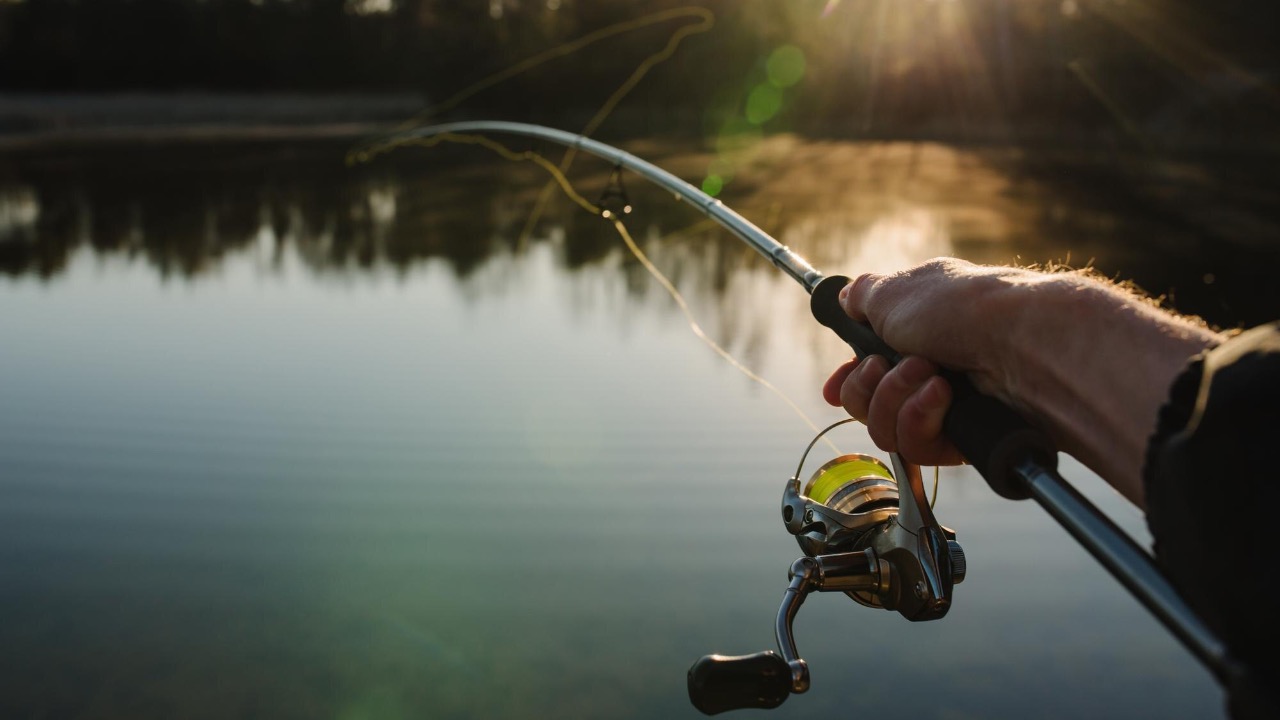
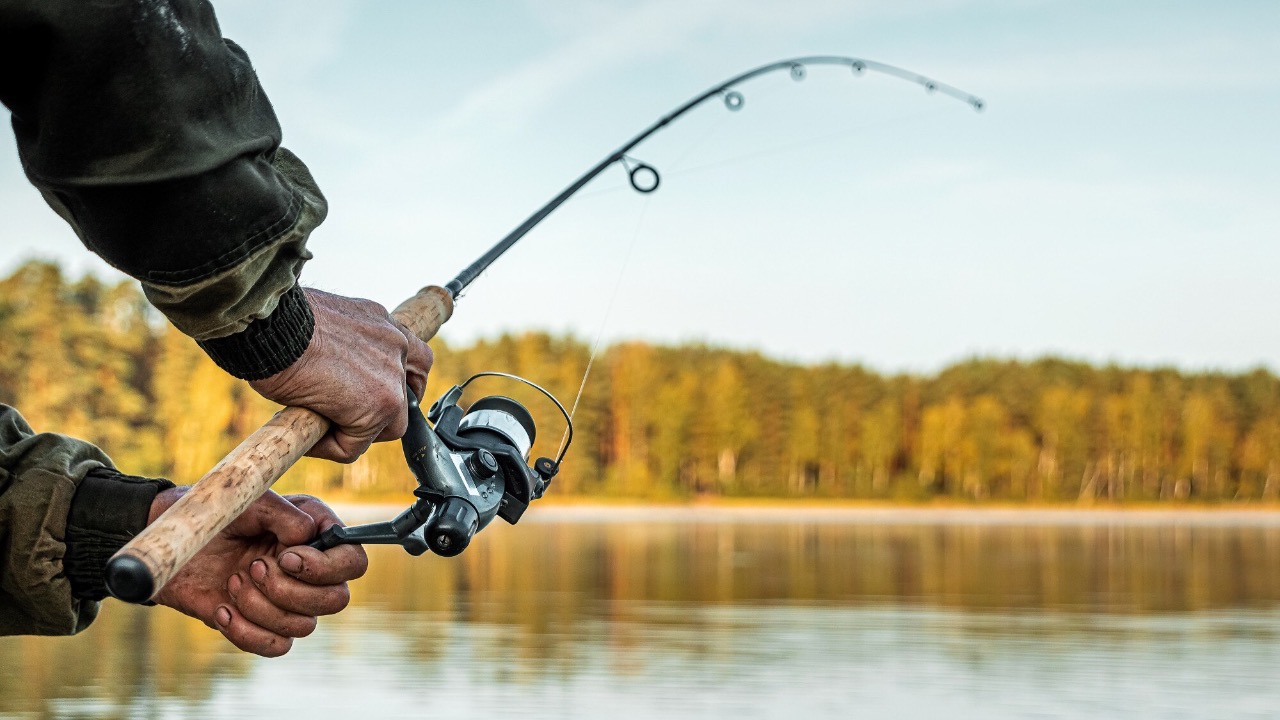
On lakes and rivers, the best rods tend to disappear in your hands, translating subtle taps into clear signals and loading smoothly on the cast. Freshwater rods are typically built lighter and more sensitive, with blanks that prioritize feel over brute strength so you can detect gentle takes from pressured bass or panfish. That balance is deliberate, because in most inland waters you are casting smaller lures, using lighter line and fighting fish in relatively controlled spaces rather than in heavy current or surf.
Designers lean into that reality by shaping freshwater tapers for finesse and responsiveness. Guides and reel seats are often more compact, and the overall package is tuned so that an angler can cast all day without fatigue. When I pick up a rod that fits this mold, it feels “right” on a lake because its power and action match the demands of freshwater species and techniques, a point underscored in detailed breakdowns of What Are Freshwater Rods and how they are optimized for inland use.
How saltwater environments punish the wrong rod
Move that same freshwater setup into the surf or onto a pier and the environment immediately exposes its weaknesses. Saltwater is not just wetter freshwater, it is a corrosive mix of Salt, wind, current and often much heavier fish that push gear to its limits. Components that hold up for years on a lake can start to pit, seize or crack after a handful of coastal trips if they were never meant to resist oxidation, and the lighter blanks that feel so lively in calm water can fold under the load of a strong run or a heavy sinker.
Saltwater rods, by contrast, are explicitly Designed for Tougher Environments, with heavier power ratings, more robust actions and corrosion resistant hardware that can survive repeated exposure to spray and immersion. That extra backbone and durability can feel overbuilt on a lake, but in the ocean it is the difference between landing a fish and watching a rod explode under pressure. When a freshwater rod feels “wrong” at sea, it is usually because it is being asked to do a job it was never engineered to handle.
Power, action and why lake-friendly tapers struggle at sea
The most obvious mismatch between lake rods and saltwater duty shows up in power and action. Freshwater Fishing Rods are often rated in lighter powers with faster tips that help cast small baits and register delicate bites, which is ideal when you are working a weightless soft plastic for largemouth or vertical jigging for walleye. That same fast, light blank can be overwhelmed when you tie on a heavy sinker to hold bottom in current or when a strong saltwater fish surges near structure, because the rod simply does not have the mid and butt strength to control the fight.
Saltwater rods, on the other hand, are built with more substantial backbones and actions that distribute load differently so they can handle heavier lines and lures without failing. Guides that explain how Durability Issues: Freshwater rods arise in saltwater also point to the way these lighter designs can be pushed beyond their intended ratings. When I see a rod that feels crisp and precise on a lake suddenly feel undergunned in the surf, it usually traces back to power and action that were tuned for finesse rather than force.
Corrosion, components and the hidden cost of using lake rods in salt
Even when a freshwater rod survives the fight, the sea can quietly destroy it from the inside out. Salt accelerates the oxidation of metal reels and rod hardware, and once corrosion starts in guides, reel seats or internal fittings, performance drops fast. A rod that looks fine at a glance can develop rough guide rings that fray line, sticky reel seats that no longer clamp securely and weakened joints that fail under load, all because its components were never meant to resist Salt and the constant wet dry cycle of coastal fishing.
Saltwater focused designs counter this with stainless or coated metals, sealed components and finishes that shed moisture more effectively, which is why they are recommended for anglers who expect regular exposure to spray and immersion. Maintenance advice that explains how to extend their lifespan in saltwater conditions underscores just how aggressive the environment can be, even on gear that is built for it. When a freshwater rod that feels perfect on a lake suddenly seems fragile and short lived at sea, the culprit is often this invisible corrosion pressure working against components that were never specified for salt.
Fish size, line weight and why “right” on bass feels “wrong” on tarpon
Beyond environment, the fish themselves drive a wedge between what works on lakes and what works offshore. Chiefly because saltwater fish are typically larger, stronger and require much heavier lines than saltwater fish, rods aimed at the ocean are built to move serious weight and absorb violent runs. A medium power bass rod that excels with 10 pound fluorocarbon and 3/8 ounce jigs can feel completely outmatched when you tie on 30 pound braid and a big live bait for redfish or tarpon, even if the blank technically survives the encounter.
Saltwater specific gear is engineered around those heavier lines and loads, with blanks, guides and reel seats that can handle the stress without deforming or failing. Overviews of the best saltwater rods emphasize how these setups are matched to the power and size of ocean species, not just the corrosive environment. When I watch an angler try to muscle a big saltwater fish on a rod that feels perfect for largemouth, the disconnect is obvious: the blank was tuned for a different class of opponent.
When a saltwater rod feels wrong back on the lake
The mismatch cuts both ways. A rod that feels bombproof and reassuring on a pier can turn into a blunt instrument on a small lake, where its weight and stiffness make every cast feel like work. Saltwater rods often carry heavier ratings and slower, more powerful tapers that are meant to launch big baits and control strong fish, which can make them feel dead in the hand when you are trying to detect a light bite from a crappie or finesse a drop shot for finicky smallmouth. The very traits that make them reliable at sea, from oversized guides to beefy reel seats, can become overkill in freshwater.
That is why Understanding Freshwater and Saltwater Rods is not just a matter of corrosion resistance but of matching the entire system to the environment and target species. Analyses that walk through Understanding Freshwater and Saltwater Rods highlight how saltwater models are often heavier and less sensitive, which is a fair trade when you are battling current and big fish but a compromise when you are working small lures in calm water. When I bring a stout coastal rod back to a lake, it often feels like the wrong tool because it masks the very feedback that makes freshwater fishing so precise and enjoyable.
Finding a workable middle ground without ruining your gear
Many anglers still want one rod that can do everything, or at least cover both a home lake and an occasional beach trip. The reality is that any compromise will feel slightly off in one direction or the other, but there are ways to minimize the pain. Choosing a medium heavy blank with quality, corrosion resistant components can give you a setup that is not too clumsy for larger freshwater species yet still capable of handling modest inshore saltwater duty. The key is to respect the limits of that rod, avoiding extreme surf conditions, oversized sinkers or truly large ocean fish that would push it beyond its design envelope.
Even then, maintenance becomes non negotiable if you want that crossover rod to survive. Guidance on how to care for gear in saltwater stresses rinsing, drying and regular inspection to catch early signs of corrosion, especially on rods that were originally intended for Freshwater. Advice that details how Freshwater Fishing Rods can be used in both environments, with caveats, reinforces the idea that you can stretch a lake rod into occasional saltwater service if you are disciplined about cleaning and realistic about what it can handle. When a rod feels right in one setting and wrong in another, it is not a mystery, it is a reminder that design choices always come with context attached.

Leo’s been tracking game and tuning gear since he could stand upright. He’s sharp, driven, and knows how to keep things running when conditions turn.