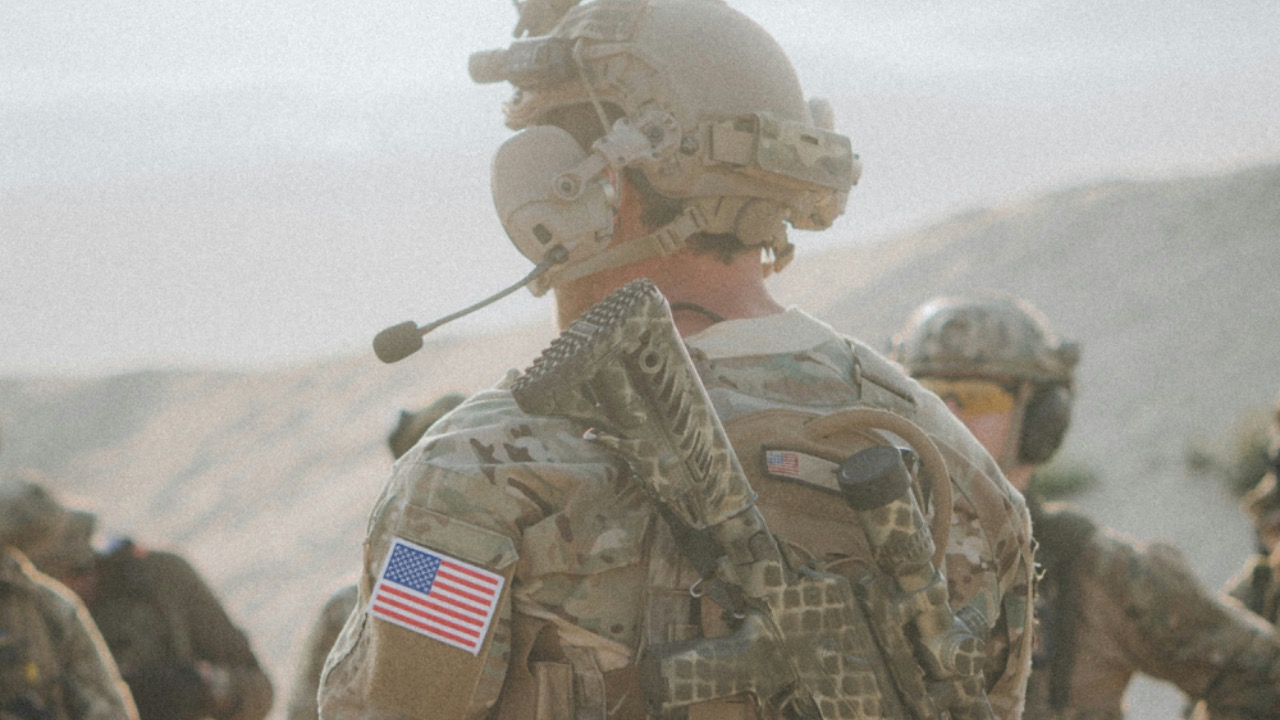
How much American soldiers were paid in every major U.S. war
American troops have never fought for the money, but the paycheck has always told a blunt story about how the country values its wars. From ragged Continental soldiers to today’s all-volunteer force, base pay, bonuses, and combat incentives have shifted with politics, inflation, and public pressure. Follow the money and you see how each generation tried to balance patriotism with the hard math of rent, rations, and risk.
Looking at what soldiers earned in every major U.S. war, and what that cash was actually worth, gives a clearer sense of the bargain struck between citizens and the people they send into harm’s way. The numbers are small on paper, but stacked against danger, separation, and the cost of living back home, they say a lot about the country on the home front.
From colonial militias to the Revolutionary War paycheck
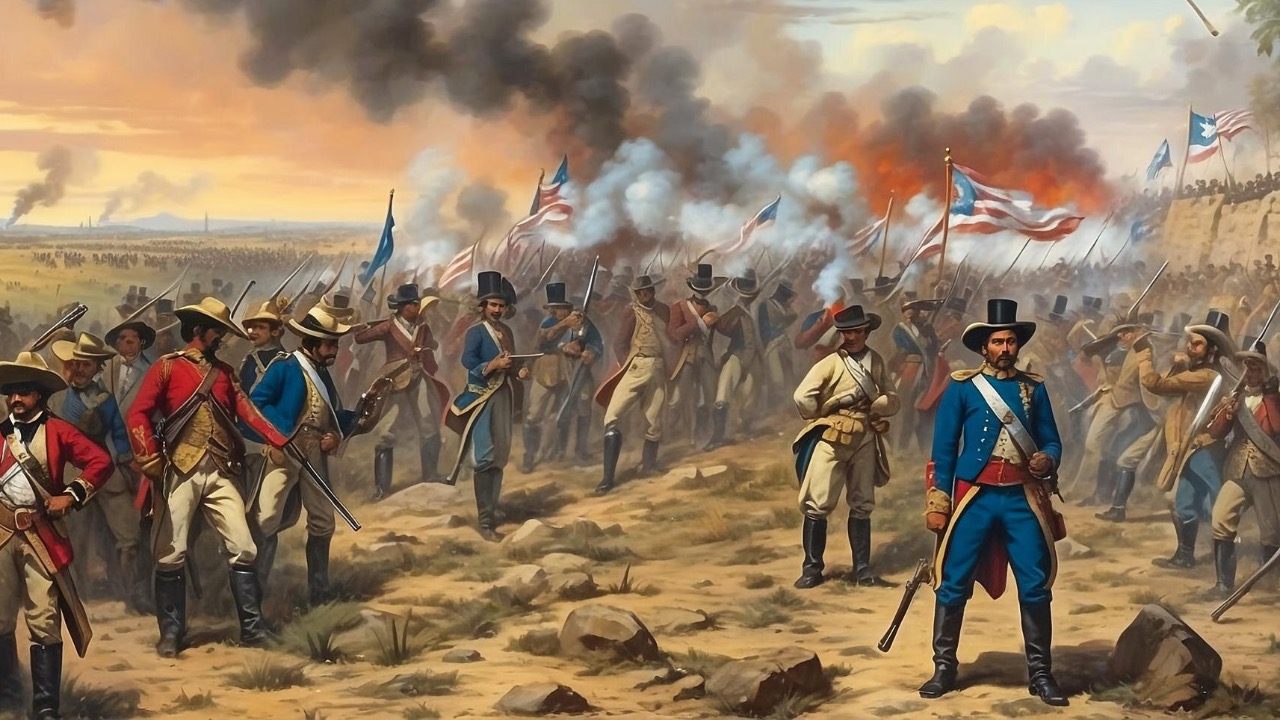
Before there was a United States, pay for fighting men was a patchwork of colonial promises and local bounties. When the shooting started in Massachusetts, the push to build a unified force led the Continental Congress to standardize wages for the new Continental Army. With the move toward creating that Continental army after the early clashes in Massachusetts, the Continental Congress set monthly rates that tried to keep men in the ranks while the young government scrambled for cash and supplies.
On paper, Revolutionary War privates earned about six dollars a month, a figure that shows up again and again in period records and later analysis. One detailed breakdown notes that Privates in the Revolutionary War earned that $6 a month plus a bounty at the end of their service, with modern estimates pegging the value of that monthly pay in the hundreds of dollars in recent terms. It sounded decent to some farmhands and tradesmen, but the real problem was getting paid at all, since the new government was long on promises and short on hard currency.
Continental dollars, inflation, and the real value of six bucks
Even when the pay tables looked respectable, Revolutionary War soldiers were often handed paper that was worth less every month they held it. Continental currency slid so badly that “not worth a Continental” became a bitter joke in the camps. Accounts of actual paydays describe how Continental soldiers, when actually paid, received two full-dollar bills and two “one third dollar” bills to make up their monthly six dollars, a stack of paper that bought less and less flour, salt pork, and powder as the war dragged on.
That gap between nominal pay and real buying power shaped morale as much as any speech from Philadelphia. Some modern estimates suggest that six dollars in the late eighteenth century could equal several hundred dollars in recent money, but that is a rough translation at best when prices were swinging wildly and supply lines were fragile. The key point is that the young republic promised a wage that looked fair on a ledger, then struggled to back it with stable currency, leaving many veterans chasing back pay and land grants long after the British sailed home.
Early federal wars and the slow march toward regular pay
After independence, the new federal government tried to professionalize the Army and Navy, but old habits died hard. Pay still depended on rank, enlistment terms, and whether Congress felt like opening the purse strings. During the early frontier campaigns and the War of 1812, soldiers’ wages were often compared to what a laborer could earn on a canal crew or in a workshop, and the military rarely came out ahead. That mismatch meant officers leaned on patriotism, adventure, and bounties to fill the ranks.
Later research into historic pay scales notes that soldiers’ pay varied depending on their role, rank, and the period, and that the Army repeatedly had to revisit the pay structure when recruiting lagged or desertion spiked. One review of wartime compensation points out that soldiers’ pay in these early conflicts was low enough that many men had to provide their own uniforms, weapons, and gear. That meant the poorest volunteers effectively took a pay cut to serve, while those with means could outfit themselves and sometimes even hire substitutes.
Civil War pay, race, and the politics of equal wages
By the time the country tore itself apart in the 1860s, military pay had become a national political issue. White Union privates were promised thirteen dollars a month, a figure that was widely publicized to encourage enlistment. Black troops, however, were treated very differently. One detailed breakdown of wartime wages notes that Although they were allowed to serve, Black soldiers were still discriminated against, with white privates paid thirteen dollars while Black privates initially received less until political pressure forced Congress to raise their pay to match their white counterparts.
That fight over equal pay was not an abstract budget debate. It played out in camp protests, letters home, and the decisions of free Black men and formerly enslaved volunteers who weighed the risk of combat against a government that valued them at a discount. When the pay gap finally closed, it was a recognition that equal bloodshed demanded equal wages, even if the broader promise of equality was still a long way off. The Civil War showed that the numbers on a pay table could carry as much symbolic weight as any flag on a battlefield.
World War I and the first taste of mass conscript pay
When the United States entered World War I, it fielded a mass conscript army for the first time, and that meant standardizing pay on a scale that could cover millions of men. Base pay for a private was modest compared with some industrial jobs, but the government leaned on the idea that food, clothing, and shelter were provided, so the cash in a soldier’s pocket was “found money.” That argument did not always land with draftees who had left better paying factory work or family farms behind.
Even with those complaints, the World War I pay system laid the groundwork for the modern rank and time-in-service charts that would define later conflicts. The idea that a private with more months in uniform should earn more than a brand-new recruit, and that specialists and noncommissioned officers should see clear bumps, became standard practice. Those patterns show up again in later wars, where the base pay for the lowest enlisted grade is only the starting point for a more complex mix of allowances and bonuses.
World War II wages versus civilian paychecks
World War II pushed that system to its limits, with more than sixteen million Americans in uniform and a booming war economy back home. A private first class or seaman second class earned a steady monthly wage, but the real question was how that stacked up against what a worker could make in a shipyard or on an assembly line. One detailed comparison of wartime earnings calculated the net annual income of a seaman second class and a private first class after deducting typical expenses, then set that against what a civilian employee earned for similar work. The study found that, With these expenditures out of earnings deducted, the net annual income of those junior enlisted men lagged behind what a civilian employee could bring home for such purpose.
That gap mattered for morale and for the families trying to live on allotment checks and ration coupons. War bond drives, free mail, and subsidized services helped, but they did not erase the fact that many young men took a financial hit when they traded a factory punch clock for a rifle. At the same time, the guaranteed paycheck, even if smaller, looked better than unemployment for some, especially in the early years when the economy was still shaking off the last of the Depression. The World War II pay story is really a story of tradeoffs between steady but modest military wages and the chance to chase overtime and hazard pay in booming civilian war industries.
Korea, Authorized combat pay, and the Cold War paycheck
The Korean War marked a turning point in how the United States paid for danger. For the first time in the modern era, Congress created a specific extra payment for troops in combat zones. A detailed history of wartime compensation notes that combat pay for servicemembers deployed to Korea was Authorized in 1952, representing the first modern form of direct combat compensation layered on top of base pay. That move acknowledged that a private on a frozen ridge near the Yalu deserved more than the same-rank clerk pushing paper in a stateside office.
Base pay itself was still lean. One breakdown of Korean War wages points out that the minimum payment for an E-1 in 1952 was $78 a month, which analysts later equated to $700.92 in 2016 dollars. Most soldiers actually deploying to Korea had a bit more time in service and earned slightly higher rates, but that baseline shows how tight the math could be for a young private sending part of his check home. Combat pay helped, but it was still a modest premium on a small base.
Vietnam to the all-volunteer force: raising pay to fill the ranks
By Vietnam, the United States was still drafting, but the seeds of the all-volunteer force were already in the ground. Pay for junior enlisted troops had crept up, yet it still lagged behind what many could earn in the growing postwar economy. The introduction of more structured allowances for housing and subsistence, along with reenlistment bonuses, was an attempt to keep experienced noncommissioned officers in uniform even as public support for the war eroded. The idea was simple: if you cannot sell the mission, you had better at least make the paycheck competitive.
When the draft ended and the all-volunteer force took over in the 1970s, pay had to climb again. Recruiting enough people to fight, train, and deploy without the legal hammer of conscription meant offering wages and benefits that could compete with union shops, trade schools, and college campuses. Later comparisons of wartime pay across conflicts highlight how the Vietnam era sits in the middle of a long curve, with base pay higher than in Korea but still low enough that many families of junior enlisted troops qualified for assistance. The lesson was clear: if you want volunteers, you have to pay them like professionals, not conscripts.
Modern wars, $78 benchmarks, and what today’s troops really earn
In the post–9/11 wars, the pay story has been about complexity as much as raw numbers. A brand-new recruit still starts at the bottom of the chart, but the mix of base pay, housing allowances, family separation pay, and combat incentives can make the actual take-home very different from one soldier to the next. One modern comparison looks back at the Korean War benchmark and notes that new soldiers pocketing $78 in 1952 would have a salary that equates to 642.71 now, while those with over four months of service who pocketed slightly more would see an even higher modern equivalent. That kind of inflation-adjusted math helps put today’s pay charts in perspective, even if it cannot capture every nuance of cost of living and benefits.
At the same time, the culture around military pay has shifted. Veterans and families now trade detailed breakdowns of base pay, allowances, and deployment bonuses in online forums and social media groups, comparing notes on how far a sergeant’s paycheck really stretches in different duty stations. In one widely shared discussion, members of a large veterans’ community on Facebook walk through the realities of modern military compensation, from housing costs near big bases to the impact of repeated deployments on family budgets. The throughline from the Continental Army to today is clear enough: the numbers on the pay chart keep changing, but the basic bargain remains the same, with citizens asking a small slice of the population to shoulder the risks of war while the rest of the country decides how much that sacrifice is worth.

Asher was raised in the woods and on the water, and it shows. He’s logged more hours behind a rifle and under a heavy pack than most men twice his age.