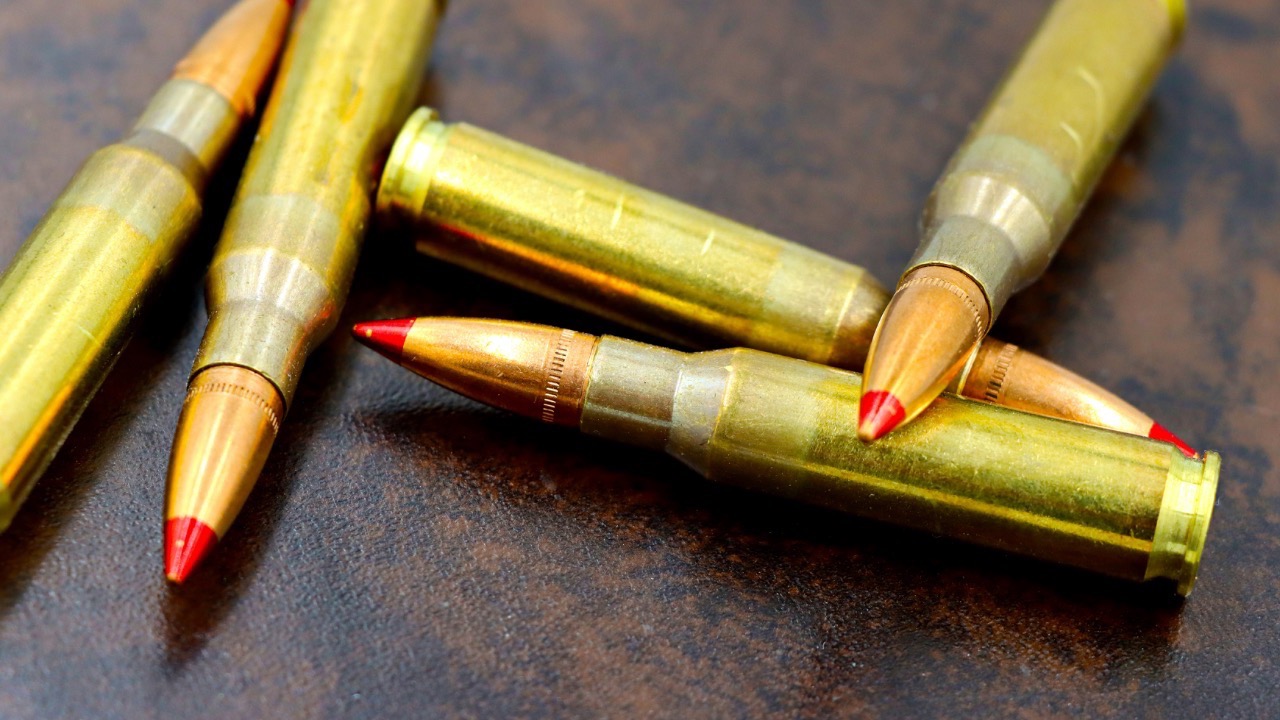
How to pick calibers that still work when everything goes wrong
When the grid is down, the trucks stop rolling, and the shelves are bare, your choice of caliber stops being a hobby question and turns into a survival problem. The rounds that keep working in those moments are the ones you can actually find, carry, and shoot well under stress. I look at calibers the same way I look at boots or a pack: if it will not hold up when everything goes wrong, it does not belong in your kit.
Picking those workhorse cartridges is less about chasing ballistics charts and more about stacking the odds in your favor. That means leaning into common rounds, proven platforms, and ammo that stores well and pulls double or triple duty across defense, hunting, and training. The goal is a tight caliber roster that still feeds your guns when the world is sideways.
What “still works” really means when the world comes apart
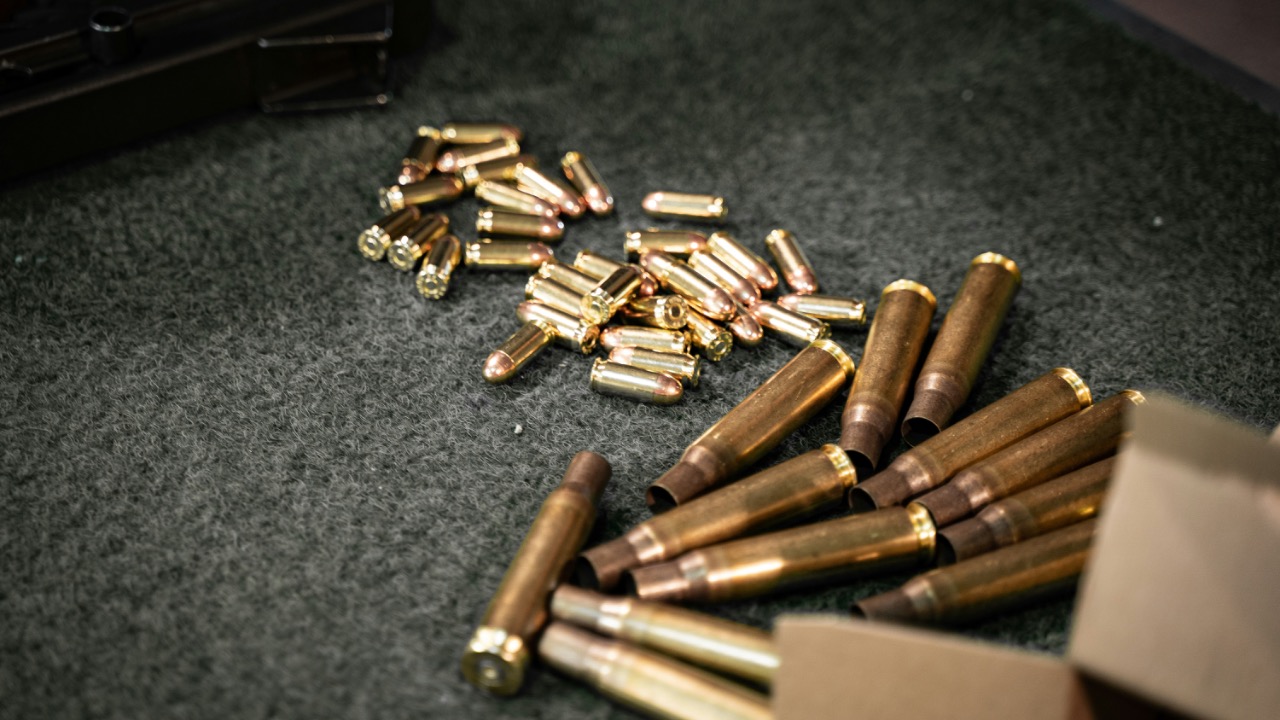
When I talk about calibers that still work in a worst case scenario, I am really talking about four things: availability, versatility, shootability, and logistics. A cartridge that is everywhere in normal times is more likely to be scrounged, traded, or restocked first when supply chains seize up, which is why common handgun and rifle rounds like 9mm Ammunition and 5.56 NATO sit at the center of most preparedness conversations. Big box stores, small-town hardware counters, and online retailers all lean heavily on mainstream Ammunition and Bulk Ammo, and that footprint matters when you are trying to keep guns fed over months instead of days.
Versatility and shootability are the next filters. A round that can handle self defense, small game, and maybe even deer, while still being controllable for smaller shooters, is worth more than a boutique magnum that only shines in one narrow role. Survival focused guides point out that Weight is Your Enemy First, because the average person can only haul so much Rifle Ammo and Gauge Ammo before their pack becomes dead weight. In that light, cartridges that let you carry a lot of Ammo for the same pound of gear, and that can be fired accurately by tired, stressed people, are the ones that truly “still work” when everything else is going wrong.
Why common calibers beat boutique rounds when supply dries up
If you want ammo that keeps showing up when shelves are half empty, you start with what everyone already buys. Retail data and prepper chatter both point to a short list of workhorse cartridges that dominate the U.S. market: 9mm Ammo for handguns, 22LR Ammo for rimfire rifles and pistols, 12 Gauge Ammo for shotguns, and mainstream Rifle Ammo like 5.56 and .308. One detailed breakdown of the most common Ammunition in the country notes that these staples are produced in huge volumes and are the first to be restocked when distributors catch up, which is exactly what you want in a long emergency.
Grassroots voices echo the same pattern. In one widely shared prepper thread, a user flatly says they believe going with NATO and other common calibers, including .22lr, 12ga, 9mm, and 5.56 NATO rifles, is the smart play for anyone who wants to be able to feed their guns later as well as now, and they frame NATO spec rounds as a hedge against future scarcity. Another discussion on What calibers are most common across the US points out that the stuff you are likely to find everywhere, from places like Cabe type outdoor chains to rural farm stores, tends to be the same handful of cartridges, and that those are usually the first to get re stocked when shipments resume. In a crisis, that herd behavior suddenly becomes your friend.
The core trio: 9mm, 5.56, and .308 as your backbone
When I boil things down to a backbone battery, I keep coming back to the same three centerfire workhorses: 9mm for handguns, 5.56 for carbines, and .308 for a general purpose rifle. One popular breakdown of what to stockpile for civilians spells it out plainly as “9mm, 5.56, and . 308,” with an Honorable mention to 22lr and 12 gauge, and adds that even if the military drifts toward newer cartridges, those three will take a long time to die out. That matters, because military and law enforcement demand helps keep those lines running even when the civilian market is soft.
On the handgun side, 9mm Luger has gone from underdog to default choice for defensive carry. A detailed self defense caliber review calls 9mm Luger Our Top Pick and notes that the 9x19mm Parabellum, often shortened to 9mm, was once dismissed as subpar but now dominates duty holsters and concealed carry rigs. Separate retail analysis backs that up, describing how the 9mm is the most popular handgun round in the world and highlighting that its mix of capacity, recoil, and terminal performance has given it a convincing lead over other pistol rounds. When you combine that popularity with the fact that 5.56 and 308 are the standard rifle and designated marksman cartridges in many Western forces, you end up with a trio that is manufactured at scale in peace and crisis alike.
Rimfire and 12 gauge: the “honorable mentions” that punch above their weight
Once that backbone is in place, I treat .22 Long Rifle and 12 gauge as the two “honorable mentions” that round out a resilient battery. The same stockpiling advice that centers 9mm, 5.56, and 308 explicitly gives an Honorable nod to 22lr and 12 gauge, and adds Something important to keep in mind, which is that even as new military calibers emerge, these legacy rounds will take a long time to die out. That is because they are baked into everything from youth rifles to turkey guns, and generations of hunters and plinkers have built their habits around them.
Rimfire in particular is hard to beat for sheer utility. Survival focused rifle guides point out that 22 caliber ammo is a smart choice when Weight is Your Enemy First, because you can pack hundreds of rounds in a limited sized pack and still have room for food and water. Another overview of the most common calibers in the country notes that 22LR is the Cartridge Everyone Loves, and folds it into a broader list of All Products Thermal Riflescopes Digital Night Vision Rifle Scopes Red Dots Prismatic optics and Magnifiers Laser Sights Spotting Sc gear that is often paired with it. Add in 12 gauge’s ability to handle birds, deer, and close range defense with the same shotgun, and those two “extras” start to look like essential parts of a plan that still works when you are living out of a truck bed or a rucksack.
Light, fast, and everywhere: 5.56 / .223 as the workhorse rifle round
For a primary rifle, it is hard to argue against 5.56x45mm NATO and its civilian twin, .223 Remington. A detailed survival caliber guide flatly states that Rifles that work properly are the . 223 Remington / 5.56x45mm NATO, calling it an extensively obtainable caliber with reasonable recoil and enough performance for defense and medium game in the right hands. Another survival rifle breakdown highlights a 223 Caliber with folding or compact stocks as a smart bug out option, again stressing that Weight is Your Enemy First and that lighter ammo lets you carry more rounds for the same load.
Preppers on the ground are saying the same thing. One widely cited comment argues that going with NATO and other common calibers, including 5.56 NATO rifles, is the best way to make sure you can find ammo for your firearms later, not only in your own stash but through trade and scavenging. A separate SHTF ammo guide frames the question more broadly, saying that What Is the Best Ammunition for a SHTF Scenario comes down to Selecting the right rounds that balance reliability, availability, and performance, and it lists 5.56 among the core rifle choices for a well rounded ammo reserve. When you add in the fact that many AR pattern rifles can swap uppers between 5.56 and .223, you end up with a flexible, widely supported platform that keeps working long after boutique calibers dry up.
Big game and barrier duty: where .308 and similar cartridges earn their keep
There is a reason .308 Winchester and its military cousin 7.62x51mm NATO keep showing up in hunting camps and conflict zones. When you need to reach farther, punch through heavier bone, or deal with intermediate barriers, a full power rifle cartridge still has a place in the stack. A detailed big game analysis that looks at The Pick for a one gun cartridge weighs Number of Options, Number of Available Options, and low cost per Cartridge, and highlights how a well supported .30 caliber round can deliver serious energy at the muzzle while still being manageable for most shooters.
That same logic carries over into preparedness. The civilian counterpart to military 7.62 rifles gives you a way to anchor elk sized game, defeat certain types of cover, and stretch your effective range beyond what 5.56 can comfortably handle. A SHTF ammo overview that asks What Is the Best Ammunition for a SHTF Scenario and focuses on Selecting the right mix of cartridges notes that a well rounded stash often includes at least one heavier rifle round for superior performance against certain barriers. When you pair that with the earlier advice to keep your caliber list short, .308 ends up as the natural “heavy” in a three rifle lineup that still works when you are a long way from a gun counter.
Handguns, PCCs, and the case for sticking with 9mm
Handguns are the firearm you are most likely to have on you when trouble starts, which is why I lean hard into 9mm for both pistols and pistol caliber carbines. A detailed self defense review that crowns 9mm Luger Our Top Pick explains how the Parabellum round has earned its place by combining adequate penetration, good expansion with modern bullets, and higher magazine capacity than larger calibers. Retail data on Ammunition backs that up, describing how the 9mm is the most popular handgun round in the world and noting that its lead over competitors is still a convincing lead even as other cartridges try to claw back market share.
The logistics get even better when you add long guns that share ammo and magazines. One excellent feature that PC carbines often have, as a range overview points out, is their ability to use the same magazines as their Pistol counterparts, which turns a 9mm carbine into one of the best, most versatile firearm platforms available for close range defense and training. A broader survival caliber guide that looks at Handguns as part of a bad day battery notes that they are not the perfect tool for every job but can be your best option for novices and for people who need a compact, always there weapon. When you can feed both your belt gun and your truck gun from the same box of 9mm Ammo, you are stacking the deck in your favor.
What to avoid: heavy recoil, oddballs, and calibers that look good on paper only
Every few years a new cartridge shows up promising flatter trajectories, more energy, or some other edge, and in normal times there is nothing wrong with experimenting. In a crisis, though, oddball rounds can turn into dead weight. One practical guide to planning a rifle build bluntly says that One big factor in determining your caliber of choice should be the availability of cases and reloading dies, and urges shooters to decide what they want to do with the rifle, then ask if they can get hold of components before committing. That is sound advice in good times and critical advice when you are trying to keep a rifle running off whatever you can find.

Asher was raised in the woods and on the water, and it shows. He’s logged more hours behind a rifle and under a heavy pack than most men twice his age.