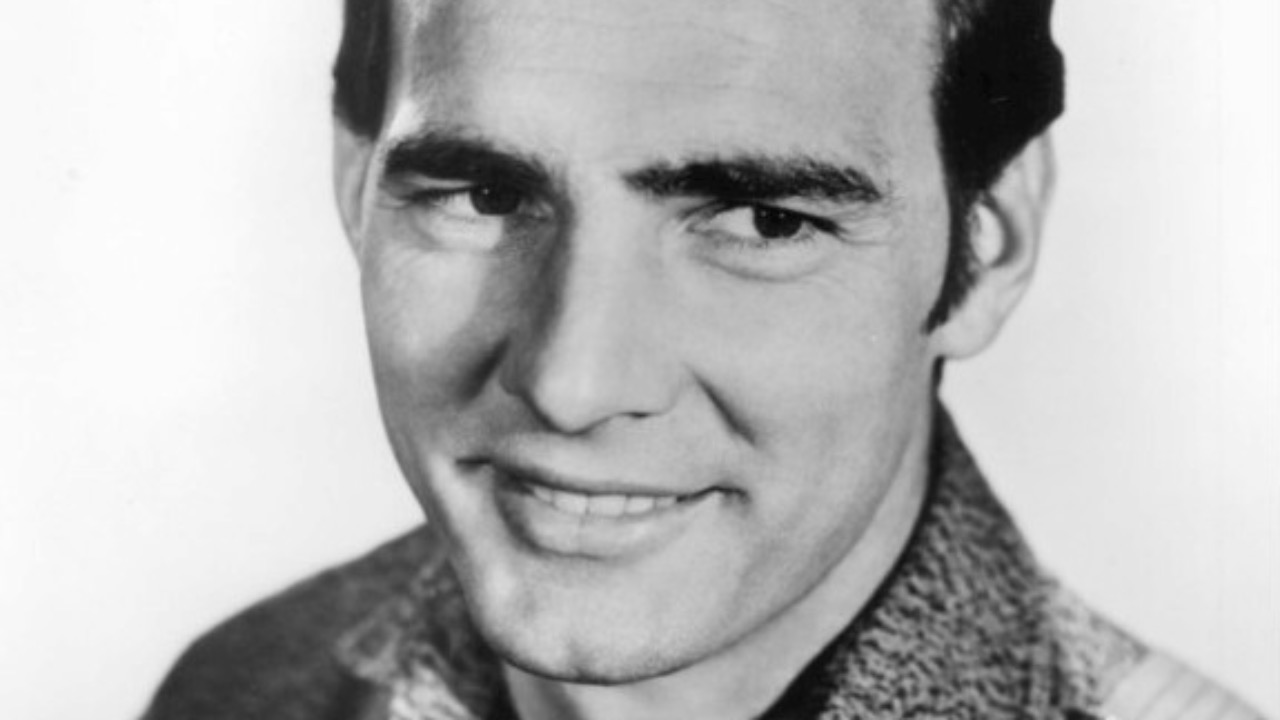
How Dennis Weaver’s Chester character exited Gunsmoke
If you watched Gunsmoke in its early years, Chester Goode felt as permanent as Dodge City itself. He wasn’t flashy or heroic in the usual Western sense, but he grounded the show. Chester was the guy who listened, worried, and carried the emotional weight that Matt Dillon couldn’t always show. So when Dennis Weaver left the series in the mid-1960s, the absence felt bigger than the show ever admitted.
What makes Chester’s exit interesting isn’t some dramatic final showdown. It’s how quietly it happened, how the show handled it, and how Weaver’s career forced a shift that Gunsmoke never fully explained on screen. The details matter, especially if you care about how classic TV handled change.
Dennis Weaver Didn’t Leave in a Blaze of Drama

Chester’s exit wasn’t marked by a gunfight, a funeral, or even a long goodbye scene. That alone makes it stand out. Weaver’s final appearance came near the end of the 1963–64 season, and when he was gone, the show largely moved on without comment.
You don’t see Chester pack up Dodge City or announce a life change. Instead, his absence is explained later through passing dialogue. The show treats it as something that happened off to the side, the way real departures often do. For longtime viewers, that quiet exit felt strange, but it matched Chester’s understated role better than a dramatic sendoff ever could have.
The Real Reason Was Career Leverage, Not Story Trouble
Dennis Weaver didn’t leave because Chester had run his course. He left because he finally had leverage. After nearly a decade on Gunsmoke, Weaver wanted a leading role, not a supporting one. CBS wasn’t offering it, but NBC was.
That offer became Kentucky Jones, a short-lived series where Weaver played a traveling do-gooder in the post–Civil War West. It didn’t last long, but it gave Weaver something Chester never could: top billing. His exit wasn’t about dissatisfaction with the character. It was about timing. Staying meant being typecast forever. Leaving meant taking a risk, even if it didn’t immediately pay off.
Chester Was Written Out Without Being Written Off
What’s easy to miss is that Gunsmoke never killed Chester, never disgraced him, and never rewrote his past. He’s simply said to have left Dodge City to make his own way. Later dialogue suggests he became a lawman elsewhere.
That matters. In an era when shows often erased characters completely, Gunsmoke kept Chester’s dignity intact. The writers treated his departure like a man moving on, not a narrative inconvenience. For viewers paying attention, it left the door open. Chester didn’t fail. He grew beyond the role Dodge City had for him, even if the audience didn’t get to watch it happen.
His Absence Changed the Tone More Than the Show Admitted
Once Chester was gone, Gunsmoke felt colder. The show leaned harder into Matt Dillon’s authority and moral weight, and less into vulnerability. Chester had been the release valve—the character who could ask questions, show fear, or admit uncertainty.
Without him, conversations got sharper and more direct. Emotional moments became shorter. The show didn’t collapse, but it did lose a human buffer. That shift wasn’t accidental. Chester allowed viewers to experience danger without wearing a badge. When he left, the show became more rigid, more professional, and less reflective of the ordinary people caught in Dodge City’s orbit.
Dennis Weaver Never Looked Back at Chester with Regret
Weaver rarely spoke about Chester as a burden or a mistake. In later interviews, he acknowledged that the role gave him his career and taught him discipline as an actor. Leaving wasn’t framed as escape; it was growth.
That perspective matters because it explains why Chester’s exit wasn’t bitter. Weaver didn’t torch bridges, and Gunsmokedidn’t punish the character. Both sides understood the situation. Chester ended where he began—as a decent man trying to find his place. Weaver carried that same mindset into later roles like McCloud, where he finally got the recognition he’d been chasing.
Gunsmoke Let the Audience Do the Emotional Work
The show trusted viewers more than people realize. Instead of spelling out Chester’s fate, it let you imagine it. You decide whether he found peace, success, or trouble elsewhere. That kind of restraint was rare for television at the time.
By not over-explaining, Gunsmoke treated Chester like a real person who stepped out of your life, not a character waiting for closure. That’s why his exit still sticks with fans decades later. You didn’t watch him leave. You noticed he was gone. And sometimes, that’s a more honest way to say goodbye.

Asher was raised in the woods and on the water, and it shows. He’s logged more hours behind a rifle and under a heavy pack than most men twice his age.