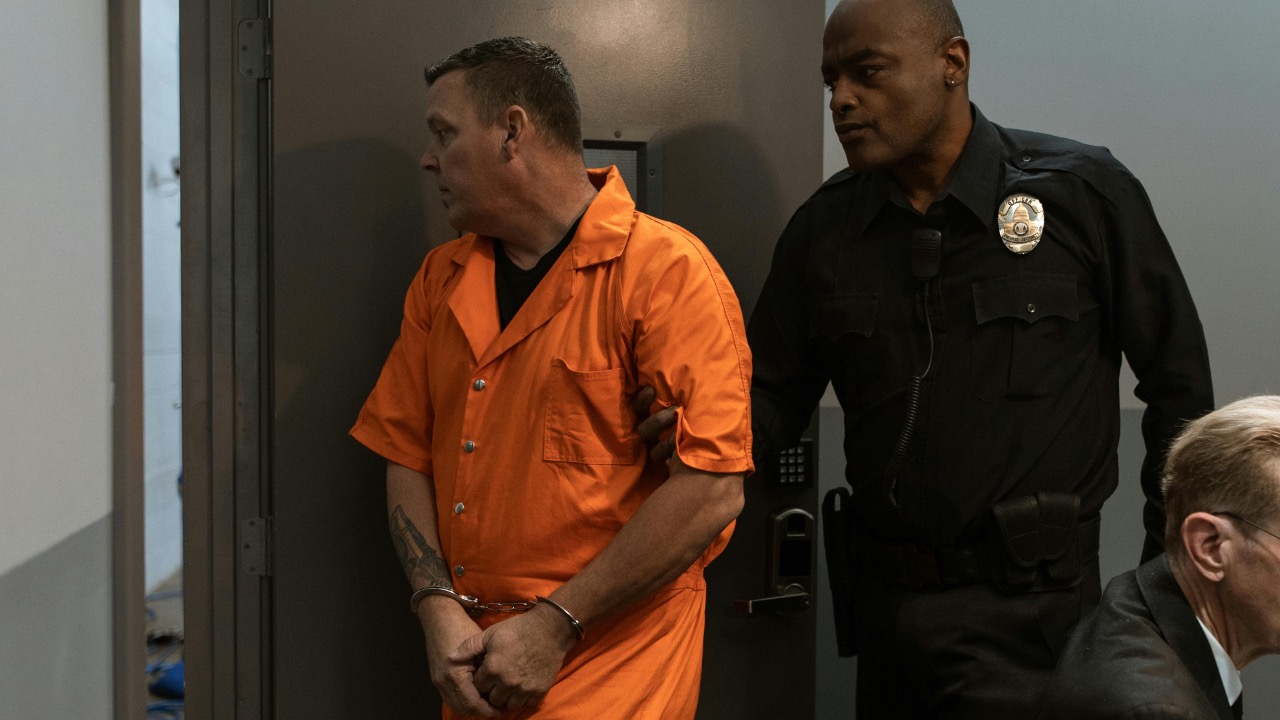
State moves to drop 1,400 cases as public defender shortages overwhelm courts
When a court system starts shedding cases by the thousand, it’s a sign something deeper has gone wrong. Public defender shortages have been building quietly for years, but now you’re seeing the consequences land all at once. Judges are stuck choosing between delaying justice indefinitely or clearing dockets in ways that make everyone uneasy. Prosecutors, defenders, and defendants are all getting squeezed by a system that can’t staff itself fast enough to meet constitutional obligations.
This isn’t about sympathy or spin. It’s about what happens when the right to counsel collides with reality. Once the backlog reaches a breaking point, dropping cases becomes less of a policy choice and more of an emergency release valve.
Why Courts Can’t Legally Move Forward Without Defense Counsel
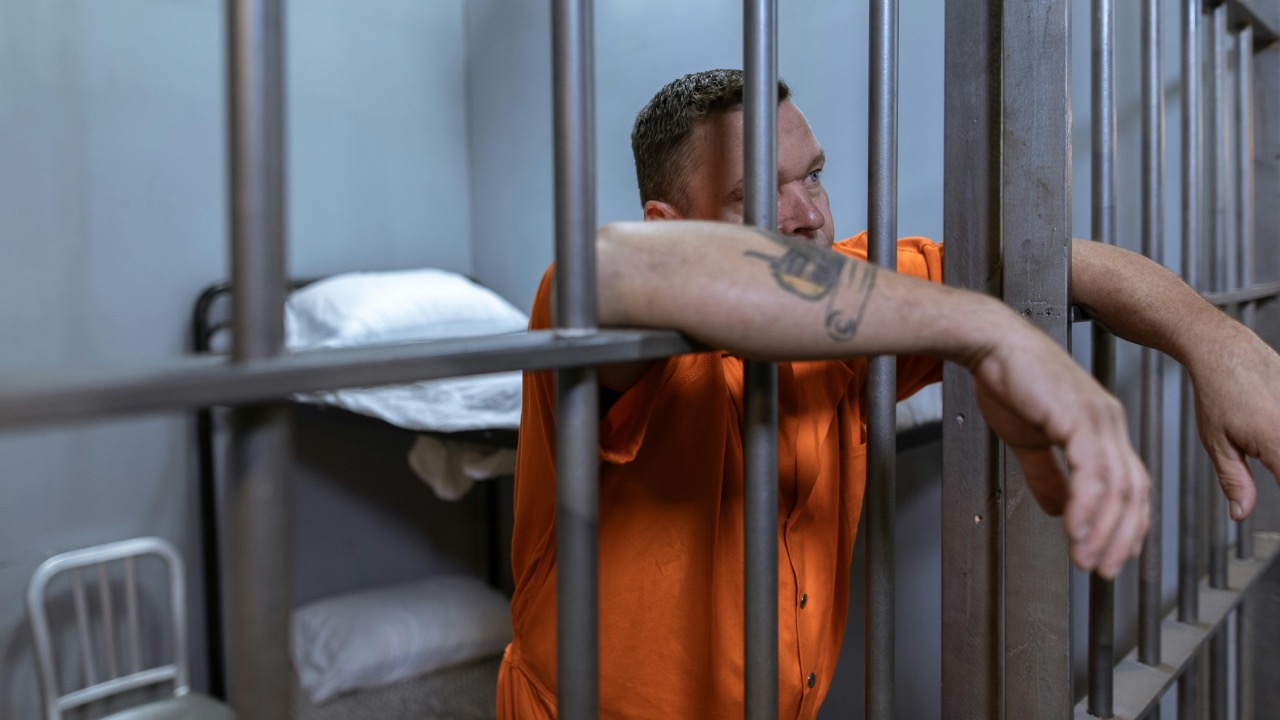
You can’t run criminal court without defense attorneys, no matter how crowded the docket gets. The Constitution doesn’t bend because staffing budgets fell short or caseloads spiked. If a defendant doesn’t have representation, the court’s hands are tied, even if the charges are serious and the evidence is solid.
What’s happening now is that judges are facing cases that simply can’t proceed without violating basic rights. When public defenders are overloaded beyond ethical limits, assigning more cases only makes the problem worse. At some point, the only lawful option left is dismissal. That’s how you end up with hundreds, then thousands, of cases getting dropped—not because they were weak, but because the system couldn’t support them.
How Public Defender Burnout Reached a Breaking Point
Public defense has always been demanding work, but the current shortage didn’t appear overnight. Years of heavy caseloads, lower pay compared to prosecutors, and limited support staff have pushed many defenders out. When one attorney leaves, their cases don’t disappear. They get redistributed, compounding the pressure on those still standing.
You’re seeing defenders handle workloads that make effective representation impossible. That leads to ethical conflicts, forced case caps, and attorneys withdrawing altogether. Once enough offices hit that wall at the same time, the entire system slows down. Courts can schedule hearings, but without lawyers to argue them, everything stalls until something gives.
Why Dropped Cases Aren’t Always Low-Level Offenses
There’s a common assumption that only minor cases get tossed when courts are overwhelmed. That’s not always how it plays out. When defender shortages hit across the board, the impact isn’t neatly sorted by charge severity. Instead, cases fall based on timing, attorney availability, and procedural deadlines.
You might see cases dismissed simply because no lawyer could be assigned within a required window. Some defendants may have been waiting in limbo for months, even longer. When the system fails to act, dismissal becomes unavoidable. That reality unsettles victims and law enforcement alike, especially when charges involved violence or repeat offenders.
The Ripple Effects for Victims and Witnesses
When cases are dropped en masse, victims often feel forgotten. You’re left wondering why something that seemed to be moving forward suddenly vanished from the court calendar. For witnesses, especially civilians, repeated delays followed by dismissal can discourage cooperation in future cases.
This breakdown damages trust. People expect courts to function, even under strain. When they don’t, frustration spreads beyond the defendants who walk free. Law enforcement officers see arrests go nowhere. Communities start questioning whether the system can deliver accountability at all. The long-term cost isn’t just legal—it’s confidence in the rule of law.
Prosecutors Are Stuck in the Same Jam
It’s easy to frame this as a defense-side failure, but prosecutors are boxed in too. You can’t ethically pursue charges if the other side can’t participate. Filing motions, preparing for trial, and coordinating with victims all becomes pointless if the case won’t survive procedural review.
Some prosecutors have pushed back, arguing that dismissals undermine public safety. Others quietly acknowledge there’s no alternative. When courts can’t guarantee counsel, continuing forward only invites appeals and reversals later. Dropping cases now may feel drastic, but dragging out broken prosecutions can make the damage worse down the line.
Why This Problem Doesn’t Fix Itself Quickly
Even if funding increases tomorrow, public defender shortages don’t disappear overnight. Recruiting qualified attorneys takes time, and retention depends on working conditions improving for the long haul. You can’t patch a systemic issue with temporary fixes and expect stability.
In the meantime, courts remain vulnerable to the same pressure that caused these dismissals. Until defender offices are staffed at sustainable levels, the risk of more dropped cases stays real. What you’re watching isn’t a one-off decision—it’s a warning signal. Without structural changes, this scenario is likely to repeat, regardless of the state or jurisdiction involved.

Asher was raised in the woods and on the water, and it shows. He’s logged more hours behind a rifle and under a heavy pack than most men twice his age.