How Suppressors Are Changing Recoil and Accuracy
Suppressors have quietly moved from movie props to mainstream gear, and the real story is not the “silenced” report but what they do to recoil and practical accuracy. By reshaping how gas leaves the muzzle, they change how a rifle or pistol moves in your hands, how your scope tracks, and how your groups print on paper or steel. If you care about calling your shots and seeing your impacts, you need to understand how that metal tube is changing the way your gun behaves.
What a Suppressor Really Does at the Muzzle
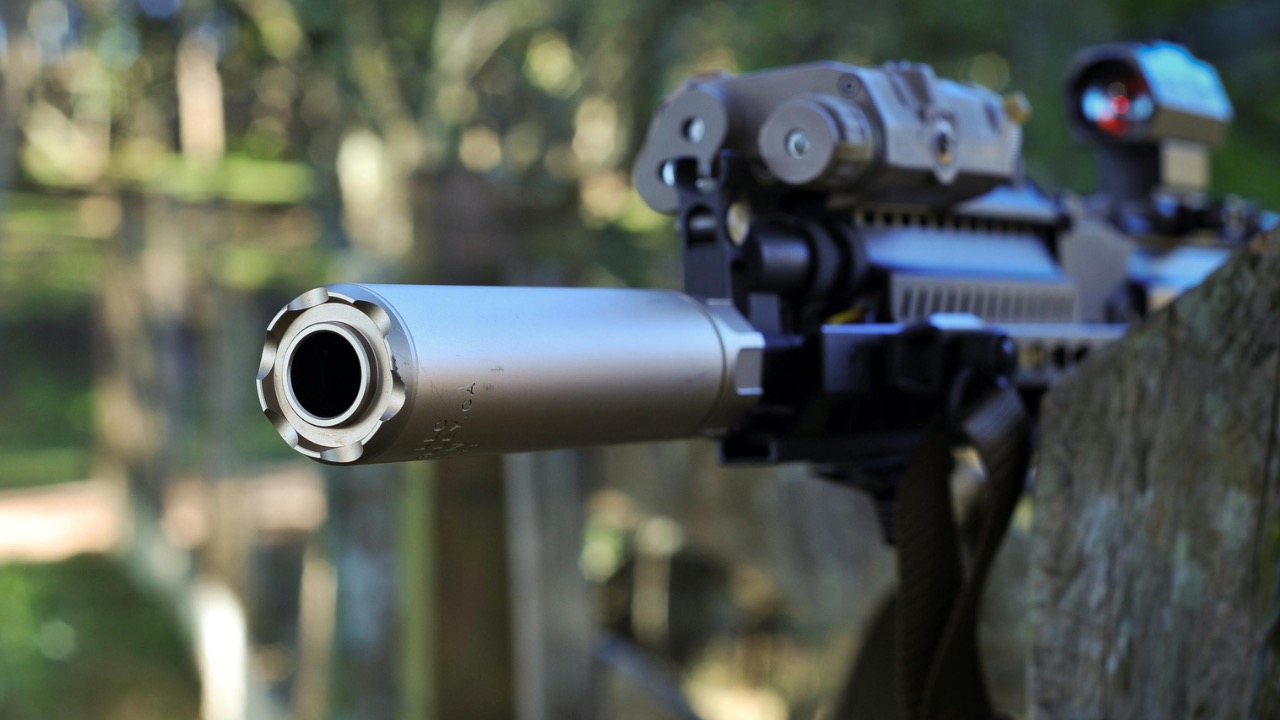
At its core, a suppressor is a controlled expansion chamber that tames the chaos at the muzzle. Instead of hot, high pressure gas slamming straight into the open air, the gas is trapped in a hollow tube and forced through a series of baffles or internal pathways. That extra volume and path length lets the gas expand, cool, and slow down before it exits, which cuts the sharp pressure spike that our ears hear as a gunshot and that our shoulder feels as a punch. Jun describes this in “Understanding Suppressors and Their Purpose” as a device that reduces noise by managing expanding gas, and that same gas management is what starts to change recoil and point of impact as well.
The physics are straightforward even if the machining is not. When a round is fired, the bullet and the gas both want to go forward, and the gun reacts backward. By delaying and redirecting that gas inside the tube, a suppressor stretches the recoil impulse over a slightly longer period and can even push some of that gas sideways or forward instead of straight back. In technical breakdowns of Understanding Suppressors and Their Purpose, Jun notes that this controlled release can stabilize the muzzle and reduce blast, which is why shooters often report that their rifles feel “softer” and track straighter with a can installed.
The Physics of Recoil Reduction
Recoil is not magic, it is momentum. The bullet and propellant gases go one way, the firearm goes the other. A bare muzzle lets that gas slam out in a short, violent pulse, which translates into a sharp kick and fast muzzle rise. When you screw on a suppressor, you are bolting a small gas turbine to the end of the barrel that slows and redirects that pulse. Technical explainers on The Physics Behind Firearm Suppression describe how baffles capture gas and let it expand against internal surfaces, which pushes forward against the can and counteracts some of the gun’s rearward motion.
That change in impulse is what shooters feel as reduced recoil and less violent muzzle flip. Instead of a single jab, the push is drawn out and partially redirected, which makes it easier to keep the sights on target and spot your own hits. When you combine that with the extra weight hanging off the muzzle, the gun tends to move in a slower, more predictable arc. Over time, that smoother recoil cycle is what lets you run a rifle faster in a stage or stay in the scope on a long shot without getting beaten up.
How Shooters Describe the Difference on the Firing Line
Spend any time around long range shooters and you will hear the same story: groups shift a little when the can goes on, but the rifle is easier to shoot well. In one Apr discussion on a precision forum, a shooter compared three different silencers and two mounting systems on two rifles and found that his point of impact moved slightly, roughly 0.1 mil down and 0.2 mil right, but the groups stayed tight and repeatable. That kind of small, consistent shift is exactly what you want, because you can dial or hold for it once and then trust it, as the Apr long range thread lays out.
On the recoil side, shooters in the NFA community talk about suppressors “drawing out” the recoil impulse so it feels more like a shove than a slap. In one Feb conversation titled “So the general consensus is that suppressors reduce recoil. Presumably by drawing out the recoil impulse or something,” users compared traditional baffle cans to newer designs and agreed that both cut felt recoil, with some designs doing a better job of softening the hit. That kind of real world feedback from the Feb NFA discussion lines up neatly with the physics and helps explain why suppressed rifles are showing up on more firing lines every season.
Why Accuracy Often Improves With a Can
Once you understand what the can is doing to recoil, the accuracy gains start to make sense. Less blast and a softer push mean you are less likely to flinch, yank the trigger, or lose your sight picture right as the shot breaks. Controlled testing on whether suppressors affect accuracy has found that groups often tighten when a quality can is installed, and that the improvement comes from reduced recoil and better shooter comfort rather than some magic change to the bullet in flight. One detailed breakdown flatly answers “Do Suppressors Affect Accuracy? Yes” and credits the improvement to the way a can calms the gun and the shooter, noting that this helps you maximize your firearm’s potential, as laid out in the Apr accuracy analysis.
There is also a mechanical side to the story. A suppressor adds weight at the muzzle, which can change barrel harmonics and shift the node where the barrel whips during the shot. In some setups that shift lands in a sweet spot and shrinks groups, in others it can open them up a bit. Detailed guidance on how suppressors affect accuracy notes that the short answer is yes, they do affect a firearm’s accuracy, but not always in the same direction, and that is why most guns will show some point of impact change when you add or remove a can. That same guidance stresses that this is a no brainer to check, but it is worth repeating that you need to confirm it on paper, as explained in the Do Suppressors Affect Accuracy overview.
Inherent Accuracy vs Shooter Accuracy
It is important to separate what the gun and ammo are capable of from what you and I can deliver behind the trigger. A suppressor does not magically make a barrel more precise in the strict, mechanical sense. As one Mar explanation put it, “Yes and no. A suppressor has no affect on inherent accuracy because it doesn’t directly affect the bullet. But because it changes recoil and blast, it can make it easier for the shooter to do their job.” That “Yes and” framing from the Mar explanation is the cleanest way I have seen it put.
Where the can really earns its keep is in helping the shooter manage recoil and stay honest on the trigger. Detailed guidance on whether recoil affects accuracy points out that, However much you practice, heavy recoil can still push you into bad habits, and that using a suppressor to reduce that recoil can help you hold your shot for better accuracy. That advice to Use a Suppressor to Reduce recoil is really about protecting the shooter from themselves. When the gun is quieter, softer, and less violent, you can focus on fundamentals instead of bracing for impact.
Recoil, Muzzle Rise, and Staying on Target
From a practical standpoint, the biggest change most shooters notice is how much easier it is to keep the sights where they belong. When a suppressor soaks up some of the gas and adds weight out front, the muzzle does not jump as high and it settles faster. One breakdown of 5 REASONS TO BUY A SUPPRESSOR lists “Three: Suppressors Reduce Recoil” and explains that by trapping gas and slowing its exit, a can cuts both rearward kick and muzzle rise when the gun is fired. That description of how Three: Suppressors Reduce Recoil lines up with what you feel on the bench: the rifle comes straight back instead of snapping up and off target.
There is also a more technical angle in how different suppressor designs handle gas. Flow through systems, for example, vent gas forward and out of the shooter’s face, which can reduce back pressure and keep the action running cleaner. Technical notes from HUXWRX explain that weapon systems using HUXWRX suppressors can often be left on the unsuppressed gas setting because the Flow Through design reduces blowback compared to traditional suppressor designs, and that this Flow Through design makes running the suppressor easy and hassle free. That kind of gas management, described in the Further, Suppressed, HUXWRX notes, helps the gun cycle smoothly and keeps your sight picture clearer for follow up shots.
Noise, Training, and Real-World Hunting Accuracy
Noise is not just a comfort issue, it is an accuracy issue. A full power rifle blast can be punishing, and even with muffs or plugs, the concussion can make new shooters flinch or close their eyes. Policy summaries comparing suppressors to car mufflers explain that a suppressor traps expanding gas at the muzzle and lets it cool, which lowers the sound level to something closer to a lawnmower or a pair of earplugs or earmuffs working together. That description of how a suppressor is Similar to a muffler is not about Hollywood quiet, it is about taking the edge off so you can focus on the shot.
That matters a lot when you are Teaching New Shooters. Guidance aimed at instructors notes that Shooting a gun for the first time can be intimidating, Especially for younger students and those who have never been around firearms, and that this is where suppressors come in by reducing blast and recoil while keeping point of impact shift minimal. When a can keeps that Teaching New Shooters experience calmer, students learn faster and build better habits. The same logic carries into the field. MeatEater’s hunting guidance closes with “Last Shot One final piece of advice: be sure to re-zero your scope with the suppressor attached. Most suppressors won’t” change your zero dramatically, but they will change it enough that you need to get your scope zeroed before opening day. That Last Shot One reminder is really about ethical accuracy on game.
Design Choices: Length, Mass, and Gas
Not all cans behave the same way, and the choices you make on length and design will show up in both recoil and accuracy. Detailed guidance on What Does The Suppressor Length Affect explains that the length of a suppressor affects three main things: decibel level, recoil, and how much the gun’s balance changes, and that an added benefit of longer suppressors is that they tend to reduce more recoil than a shorter suppressor. That Oct What Does The Suppressor Length Affect tradeoff is one you feel immediately: a long can is quieter and softer, but it can make a rifle nose heavy and slower to mount, while a short can is handier but gives up some of that smoothing effect.
There is also the question of how the muzzle device and internal structure handle recoil. A detailed breakdown titled Do Suppressors Reduce Recoil notes that the muzzle device as the end cap of the suppressor helps to reduce recoil and that Precision rifle shooters in particular value how a can tames the gun without the blast and concussion of a traditional brake. That Jun Do Suppressors Reduce Recoil analysis lines up with other guidance that when most people think about suppressors, they think of sound reduction, But beyond making shooting quieter, a can also reduces recoil, and there is a clear explanation of how and why that works. The reminder that Apr When people focus only on noise, they miss the recoil story, is worth keeping in mind when you are choosing gear.
Zeroing, Pistols, and Getting the Most From a Suppressor
All of these changes to recoil and barrel harmonics mean you cannot treat a suppressor as an afterthought when it comes to zero. Before taking your first shot with a new optic or configuration, it is essential to zero the scope by aligning the reticle with the point of impact and adjusting windage and elevation settings to achieve precise zeroing. That advice from the Fox IR scope guidance, which stresses that Before you shoot you must confirm zero, is echoed in suppressor specific guidance that if you have zeroed a rifle without a can, you need to confirm that zero again with the suppressor attached. Detailed notes on zeroing with a can explain that different temperatures, altitudes, and setups can all shift impact, and that you should treat a suppressed configuration as its own system, as laid out in the Nov Join guidance.
The same principles carry over to handguns, even if the details change. When you hang a can off the end of a Glock 19, you are adding static mass toward the muzzle, which helps weigh the muzzle down and counteracts muzzle flip. One detailed argument for suppressing a compact pistol notes that the other thing to keep in mind is that this extra weight means muzzle flip gets a good counteraction, too, which can make fast strings more controllable. That reminder in the The other thing to keep in mind discussion is really about the same core idea that runs through rifles: a suppressor changes how the gun moves, and if you take the time to zero, tune, and practice with that setup, it can make you a steadier, more accurate shooter.

Asher was raised in the woods and on the water, and it shows. He’s logged more hours behind a rifle and under a heavy pack than most men twice his age.