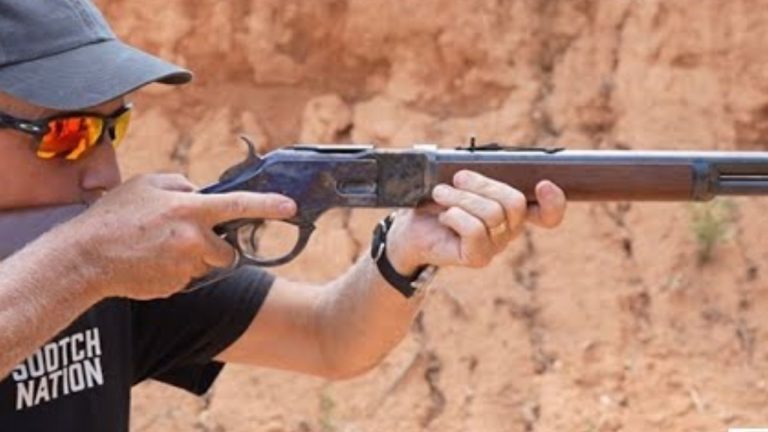
Firearms that reward consistent shooting
Firearms that reward consistent shooting are not just mechanical objects, they are tools that expose every strength and weakness in a shooter’s technique. When a pistol, rifle, or shotgun is designed to respond predictably to the same inputs, it turns repetition into tighter groups, steadier nerves, and safer habits. I see the most capable platforms as those that translate disciplined practice into measurable gains in accuracy, control, and responsibility.
Why consistency is the real “accuracy feature”
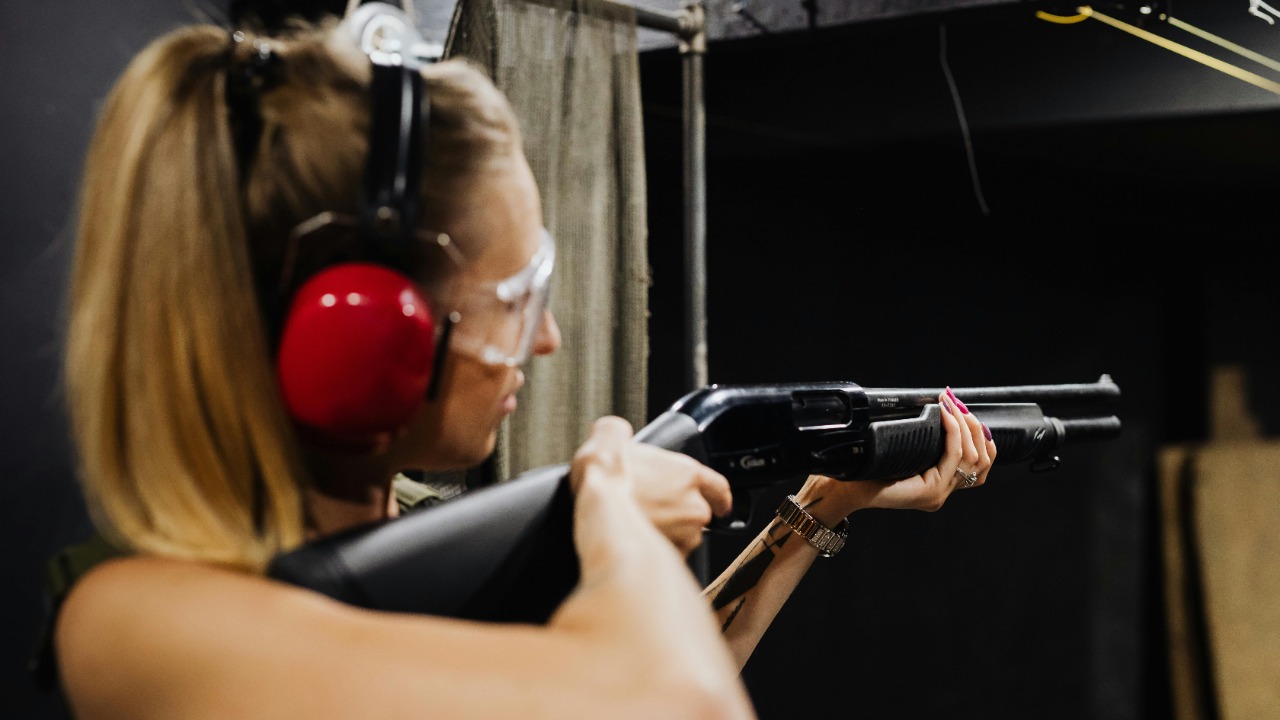
Manufacturers advertise match barrels, tuned triggers, and optics-ready slides, but the trait that matters most for real-world performance is how a firearm behaves when I do my job the same way, shot after shot. A gun that tracks smoothly in recoil, returns to the same point of aim, and keeps its controls in the same place every time lets my brain focus on the fundamentals instead of fighting the hardware. That is what it means for a firearm to reward consistent shooting: the more I repeat sound technique, the more the platform “stays out of the way” and lets skill show through.
That feedback loop is especially clear with pistols, where small errors are magnified. As one detailed guide on fundamentals puts it, “When it comes to pistol shooting, consistency breeds precision,” but “to be consistent you have to get a grip on the fundamentals” of using this particular type of firearm. The point is not that the gun magically makes me accurate, it is that a well-designed handgun will respond the same way every time I apply the same grip, sight picture, and trigger press, which is why I treat When and But as the two words that define serious handgun training: repeatable inputs, then honest results.
How the body learns from repeatable recoil
Consistent firearms do not just sharpen marksmanship, they reshape the body. Holding a firearm steady requires upper body strength and stability, and maintaining proper form over a string of fire forces me to engage my core, shoulders, and back in the same pattern every time. Indoor ranges that emphasize structured practice note that this kind of repetition improves balance and posture, because the stance that manages recoil best is also the stance that keeps the body aligned and stable under load.
Fine control matters just as much as gross strength. The small muscles in the hands and forearms adapt when I run the same trigger, safety, and magazine release repeatedly, and that is why drills that focus on a single platform can dramatically improve hand–eye coordination. Detailed range guidance points out that tasks like loading magazines, manipulating slides, and pressing the trigger without disturbing the sights all require fine motor skills and precise timing, and that those skills develop fastest when the firearm’s controls and recoil impulse are predictable from shot to shot, a pattern highlighted in discussions of Holding a firearm steady.
Platforms that scale with your progress
Some firearms are built from the start to grow with the shooter, and those are the ones I see as truly rewarding consistency. A modular shotgun like the Mossberg 500 family is a good example, because the same receiver can be configured for home defense, hunting, or competition while preserving the same safety location, action feel, and loading pattern. When I run a Mossberg 500 in different roles, the muscle memory I build on the range carries over, since the core controls and pump stroke remain familiar even as barrels, stocks, and accessories change.
That modularity is especially clear in the 500 Flex system, which lets shooters swap stocks and forends without tools while keeping the underlying action identical. A detailed tactical overview notes that it ( 500 Flex ) is important to remember that the use and possession of firearms is subject to laws and regulations that vary by location, and that any configuration still has to comply with all applicable rules. The same analysis of the Mossberg 500 platform underscores how a single, consistent manual of arms can support very different missions, which is why I see the 500 and its Flex variants as classic examples of hardware that turns repeated practice into versatility.
Consistency starts with the law, not the trigger
Before a shooter ever builds a tight group, the first test of consistency is whether they follow the rules that govern owning and using a gun. Understanding and following gun laws is a critical aspect of firearm ownership, and that responsibility does not change just because a person becomes more skilled. Regulations vary widely by state and country, covering everything from licensing and storage to restrictions on carrying firearms in certain locations, so a disciplined shooter has to internalize those boundaries the same way they internalize sight alignment and trigger control.
I see that legal discipline as part of the same mindset that produces safe, accurate shooting. A comprehensive safety framework stresses that “Understanding and” respecting the law is as important as muzzle awareness or keeping a finger off the trigger until ready to fire, and it highlights how “Regulations” can dictate where and how a firearm may be transported or used. That is why I treat legal knowledge as a core skill, supported by resources that explain Understanding and the full range of Regulations that apply in a given jurisdiction.
Training, licensing, and the disciplined shooter

Jurisdictions that take training seriously often create a clearer path for shooters who want to build consistent, lawful habits. In Massachusetts, for example, firearm laws require residents to undergo background checks and fulfill training requisites before they can obtain certain licenses. Particular types of firearms might fall under stricter categories, and the process can involve multiple steps with local authorities, which means a responsible owner has to be as methodical with paperwork and classes as they are with range drills.
That structure can actually reinforce the idea that good shooting is about repeatable, verified behavior rather than improvisation. Legal guidance on Massachusetts rules explains that “This involves undergoing background checks and fulfilling training requisites,” and that staying in close contact with licensing authorities is indispensable for full legal compliance. When I look at that framework, I see a system that nudges people toward formal instruction and documented competence, which aligns with the broader principle that Particular legal steps and training milestones are part of what it means to be a consistent, trustworthy shooter.
Public safety, suicide risk, and consistent access rules
Consistency in the firearms world is not only about how a gun behaves in my hands, it is also about how society manages who can access one and when. Research on firearm suicide in the United States notes that While states vary widely in the stringency of their firearm laws, there is encouraging evidence that certain policies can reduce deaths. Measures such as extreme risk protection orders, comprehensive background checks, and clear registration guidelines are designed to create predictable, enforceable rules that keep guns away from people who are at acute risk of harming themselves or others.
From a shooter’s perspective, those policies may feel distant from the experience of lining up sights on a target, but they are part of the same ecosystem that defines responsible ownership. The same analysis of suicide prevention emphasizes that carefully crafted laws can lower firearm suicide rates without banning ownership outright, by focusing on temporary removal or delayed access in high-risk situations. I see that as a macro-level version of the discipline I practice on the range: the community sets consistent guardrails, backed by evidence, and then expects individuals to operate within them, a pattern reflected in the detailed review of how While targeted policies can reduce suicide risk.
Gun violence, human rights, and the ethics of practice
Any honest discussion of firearms that reward consistent shooting has to grapple with the broader reality that Gun Violence is a Human Rights Crisis in America. The same tools that let a trained shooter place rounds precisely on a paper target can be misused in ways that devastate families and communities, and that tension sits at the center of the national debate. Human rights advocates argue that stronger safeguards, including licensing, safe storage, and restrictions on high-risk individuals, are necessary to keep guns out of the hands of those who should not have them, and they frame that argument in terms of the right to life and security.
For me, that context raises the stakes of every decision I make with a firearm. If I am going to invest in a platform that amplifies my consistency, I also have to invest in the ethical framework that keeps that capability aligned with the law and with basic respect for other people’s safety. Detailed human rights analysis of gun policy in the United States underscores how legal reforms, community programs, and enforcement strategies can work together to reduce shootings, and it treats the crisis as a test of national values rather than a narrow policy dispute. That is why I read discussions of Gun Violence, the broader Human Rights Crisis, and the specific conditions in America as essential background for anyone who wants to be more than just technically proficient with a firearm.

Leo’s been tracking game and tuning gear since he could stand upright. He’s sharp, driven, and knows how to keep things running when conditions turn.