How to stalk deer without leaving a trace
You’ve decided to take on deer stalking the old-school way, where every step counts and the goal is to slip in and out like you were never there. I’ve spent decades in the woods chasing whitetails and mule deer across rough country, learning that success comes from respecting the animal’s senses more than your own ego. Deer have noses that can pick up your trail from a quarter mile away, eyes tuned for movement, and ears that catch the faintest snap. The key is blending into their world without disturbing it—control your scent, move with purpose, and leave the forest as you found it. This isn’t about shortcuts; it’s hard-earned skill that pays off when that buck steps into range.
Understand Deer Habits First

You start by knowing what deer do every day, because stalking without a trace means predicting their moves before you make yours. Watch their bedding areas from afar during scouting trips—deer bed in thick cover facing downwind, so they catch scents coming at them. Learn their feeding patterns too; they hit food sources at dawn and dusk, sticking to the same trails unless pressured.
Once you’ve mapped that out, time your approach when they’re least alert. I’ve found that mid-morning stalks work if deer are transitioning from feed to bed, giving you a window to close distance. Avoid rushing—study rubs and scrapes to confirm buck activity. This groundwork keeps you invisible, turning the hunt into a chess game where you’re always two steps ahead.
Master Scent Control Basics
You can’t outrun a deer’s nose, so scent control is your first line of defense in traceless stalking. Wash your clothes in unscented soap and store them in a sealed bag with pine needles or earth from the area. Before heading out, shower with the same soap and skip the deodorant—human odor sticks out like a sore thumb.
In the field, use wind checker puffs to monitor direction constantly; stalk only when it’s in your face. I’ve used ozone generators in my pack to neutralize smells, but nothing beats playing the wind right. Spray boots with scent eliminator and avoid touching brush that could transfer your scent. Done properly, deer won’t bolt because they never knew you were there.
Pick Footwear That Whispers
Your boots can betray you faster than anything, so choose ones that let you move quietly without leaving deep prints. Go for soft-soled rubber boots over hard leather—they flex with the ground and muffle steps on leaves or twigs. In wet terrain, opt for waterproof models to avoid sloshing sounds.
When stalking, roll your foot from heel to toe slowly, feeling for noisy debris before committing weight. I’ve crossed crunchy oak leaves by pausing every few steps, listening for deer reactions. Clean treads after each hunt to prevent carrying foreign scents or mud that marks your path. This setup keeps your presence hidden, letting you get within bow range undetected.
Use Terrain for Cover
You leverage the land itself to stay out of sight, turning hills, ridges, and draws into your allies during a stalk. Approach from low ground where contours hide your silhouette, crawling if needed to stay below the skyline. Deer spot outlines easily, so break yours by hugging boulders or fallen logs.
In open woods, sidehill your way parallel to the deer, using trees as screens. I’ve stalked bucks by circling wide around a knob, keeping the rise between us until the last moment. Watch for natural funnels where deer travel—set up ambushes there without crossing their paths. This method erases your trace, making the hunt feel like part of the landscape.
Play the Wind Every Time
Wind is your constant companion or worst enemy in traceless stalking, so check it obsessively with a powder bottle or milkweed seeds. Always approach with the breeze in your face—deer rely on scent cones that fan out downwind, and you don’t want to enter that zone.
Shift your path if the wind swirls; I’ve backed out of stalks when thermals shifted at midday, saving the spot for another day. In valleys, morning winds rise and evenings drop, so plan routes accordingly. Avoid ridgelines where gusts betray you. Mastering this keeps your smell away, ensuring deer stay calm and you leave no alerting traces behind.
Camouflage That Matches the Season
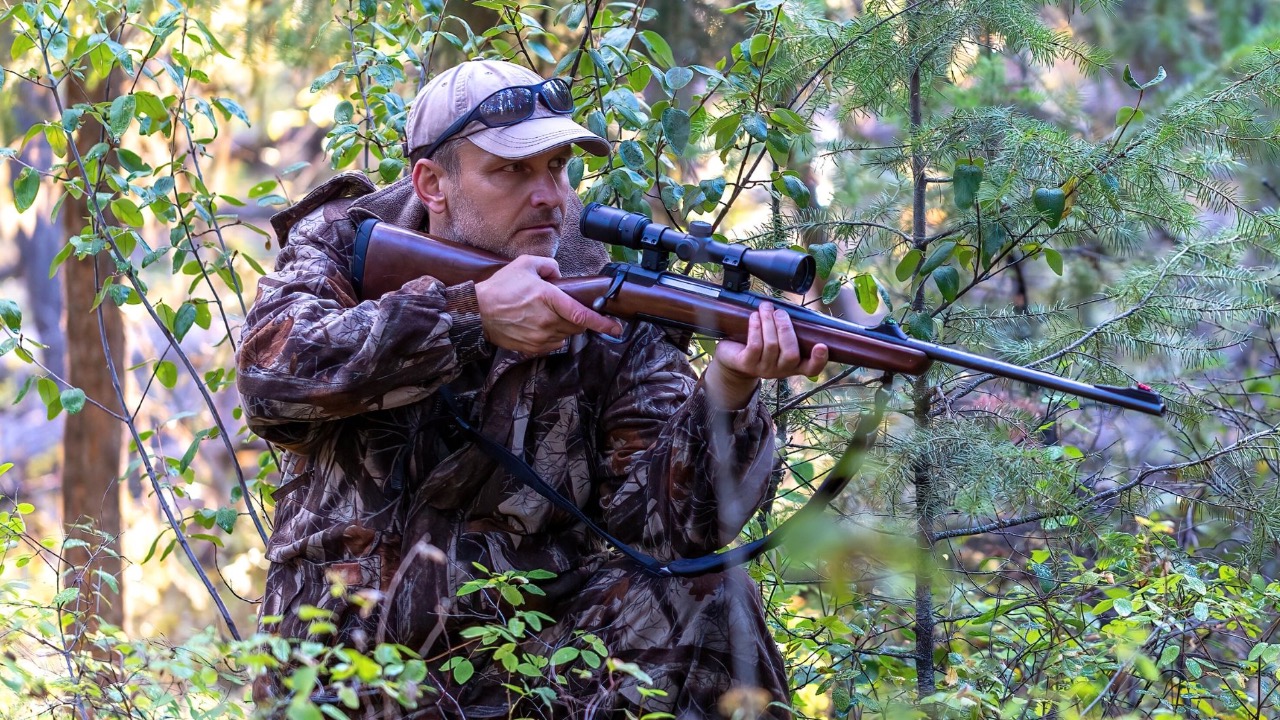
You blend in by wearing camo that mirrors the woods you’re hunting, not some generic pattern. In fall hardwoods, go for leafy breaks with browns and oranges; spring stalks need greener tones to match budding undergrowth. Layer lightly to avoid bulk that catches on branches.
Position yourself against matching backdrops—stand by a trunk or kneel in ferns. I’ve added local vegetation to my hat for extra breakup, but remove it before leaving to avoid scattering foreign plants. Test your setup by having a buddy spot you from deer level. This natural merging lets you close in without visual alerts, keeping the stalk clean.
Move with Deliberate Patience
You stalk successfully by embracing slowness, treating each step like it could end the hunt. Pause often to glass ahead, scanning for ears or antler tips before advancing. In thick cover, use binoculars to plot micro-moves around obstacles.
I’ve spent hours covering a hundred yards, stopping when deer look your way—freeze until they relax. Avoid straight lines; zigzag to use cover. Time stalks for low-light periods when deer focus on feeding. This patient rhythm prevents snaps or shadows that spook them, ensuring you extract without leaving signs of disturbance.
Plan Entry and Exit Routes
You map your way in and out before ever stepping foot in the woods, choosing paths that skirt high-traffic deer areas. Use topo maps to find backdoor approaches via streams or ridges, minimizing ground contact.
Walk on rocks or hardpack to reduce tracks; in mud, step on grass clumps. I’ve exited backward along my entry to erase boot prints with a branch drag. Scout alternates for wind changes. This forethought keeps the area pristine, allowing multiple stalks without educating deer to human presence.
Sharpen Your Observation Skills
You train your eyes to pick up subtle clues, like a flicking tail or shifting weight, signaling a deer’s awareness. Practice spotting bedded deer from afar during off-season hikes, noting how light plays on fur.
In the stalk, read body language—relaxed deer browse casually, while tense ones stare. I’ve avoided blowups by halting at the first alert sign, waiting them out. Use quality optics to confirm details without closing too soon. Honing this turns you into a ghost, leaving no trace because you never push beyond what’s safe.
Factor in Weather Conditions
You adapt stalks to the weather, knowing rain muffles steps but wind after storms can swirl unpredictably. In fog, visibility drops for both you and deer, offering closer approaches if you move silently.
Dry, crunchy days demand extra caution—stalk barefoot if terrain allows, or wait for dew. I’ve called off hunts in high winds that carry scent erratically. Check forecasts for barometric shifts that make deer active. Adjusting to these elements keeps your impact minimal, ensuring the woods forget you were ever there.

Asher was raised in the woods and on the water, and it shows. He’s logged more hours behind a rifle and under a heavy pack than most men twice his age.