How to tell if a rifle barrel is shot out in under a minute
A rifle can go from tack driver to frustrating scattergun faster than many shooters expect, and the barrel is often to blame. When accuracy starts to slip, you do not always have time or tools for a full shop inspection. With a few simple checks, I can get a strong sense in under a minute whether a barrel is still serviceable or sliding toward “shot out” territory.
In those moments, I rely on fast visual and feel-based cues that match how working gunsmiths and serious shooters describe barrel wear. By combining a quick muzzle check, a glance at the throat, and a rapid look at bullets and groups, I can usually decide whether to keep tuning the rifle, clean it more aggressively, or start planning for a new tube.
What “shot out” really means
When I say a barrel is “shot out,” I am not talking about a single flier or a bad day at the range. I mean a barrel whose internal erosion has advanced so far that it can no longer grip and guide the bullet in a repeatable way. Barrel makers describe a tube as Shot Out when throat erosion has moved forward enough that the bullet cannot be seated near the original leade, or when the worn zone has progressed several inches ahead of the chamber.
Erosion starts at the throat, where hot gas and powder blast the steel every time the rifle fires. Over time, the sharp edges that once engraved the bullet turn rounded and cracked, a process some long range shooters simply call Burning out a barrel. Once that area goes, the bullet starts its trip down the bore with a sloppy fit, and even perfect handloads cannot save the rifle from a steady loss of precision.
Why throat erosion is the first suspect
In my experience, the throat is the first place to blame when a rifle that once stacked bullets suddenly opens its groups. High intensity cartridges like the 243, 6XC, or 6.5×284 push a lot of hot gas through a small hole, and shooters report that once a barrel with those chamberings gets around 500 rounds, the throat can start to go soft. That does not mean every barrel dies at that round count, but it shows how quickly erosion can build in hard driven rifles.
Steel type also plays a role. One detailed discussion of throat life points out that Stainless barrels erode at the throat differently than a blue barrel, with stainless tending to crack and craze while traditional blued steel simply loses metal and the throat grows longer. That difference affects how quickly accuracy fades, and it is why two rifles with the same round count can behave very differently once erosion starts to show.
Using seating depth to track wear
One of the fastest ways I have found to monitor throat wear is to watch how far I need to seat my bullets to keep them near the rifling. A simple gauge method suggests that you first Measure the OAL of the bullet you plan to use, then Remove the bolt, and finally Insert the bullet into the chamber until it just kisses the lands. By repeating that measurement over time, I can see the throat creeping forward as the required overall length grows.
Handloaders often track this in more detail by measuring from the case head to the bullet’s ogive, not just to the tip. One shooter working with a With the 195-grain Berger bullet recorded a cartridge base-to-ogive distance of 3.214 inches to reach the Ogive. As that number grows over a season, it is a clear sign the throat is moving forward, and if I suddenly need to seat bullets much deeper just to fit the magazine, the barrel’s best days are likely behind it.
Reading the muzzle in seconds
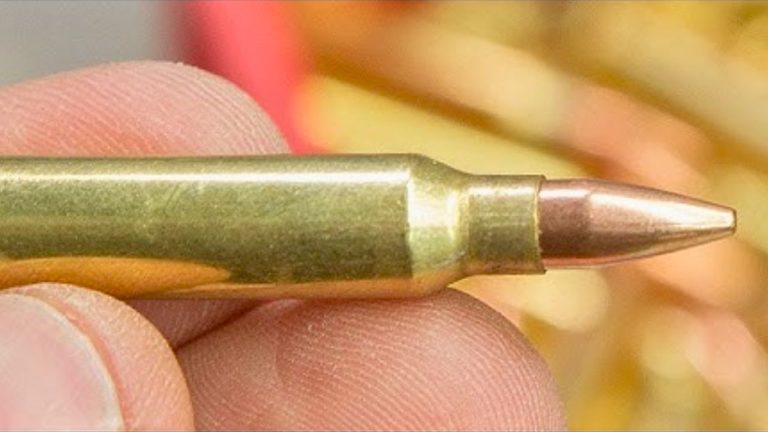
If I only have a minute with a rifle, the muzzle is one of the first places I look. A fast “bullet test” popularized in short videos shows how a simple loaded round can reveal Dec muzzle wear. I stand the rifle upright, drop a bullet point-first into the crown, and watch how far the jacket disappears into the bore. When a common bullet nearly swallows itself at the muzzle, that suggests the lands at the crown are worn or the barrel has been aggressively cleaned from the front.
Next I check the crown for dings, chips, and uneven chamfers. A clean, sharp crown helps gas peel away evenly as the bullet exits, while a battered one can throw shots wide even if the rest of the bore is healthy. Guides who inspect surplus rifles mention that if you are very familiar with a given model, you will know the typical depth of the rifling grooves, and any muzzle that looks unusually shallow is a red flag, a point echoed by one Member who evaluates old military barrels by eye.
How I use a bullet and a light
When I do not have a borescope, I fall back on a simple light trick that many experienced shooters recommend. One California Hunter Education Instructor explains that if you lack a scope, you can put a piece of white paper in the rear of the bolt opening to bounce light forward, then look down the bore from the muzzle to judge how sharp the rifling appears in the first few inches. In good barrels there should be clear, even land and groove definition, a method that lines up with advice to California Hunter Education and Rustystud in the same discussion.
Dedicated inspection tools make this even easier. Modern digital borescopes are designed to highlight Wear Patterns and, and their makers describe how, Over time, the bore shows pitting, cracking, and throat roughness in high use firearms. Even without that gear, a strong flashlight and a white card can reveal heavy fire cracking or patches where the lands look melted rather than crisp, both quick signs that a barrel is nearing the end of its useful life.
What bullets and targets reveal
Sometimes the bullet itself tells me more than the bore. High speed footage of a projectile fired from a badly worn tube shows what happens when the rifling can no longer grab cleanly. In one clip, a ballistics expert shares a shot where the projectile comes out of a SHOT OUT barrel, and you can clearly Note the “fuzz” of copper smeared along the bearing surface. That fuzzy jacket is copper being stripped because the rifling edges are no longer clean enough to engrave the bullet smoothly.
Targets tell a similar story. Long range shooters discussing worn barrels describe how groups that once stayed tight begin to show unexplained fliers, then slowly stretch into patterns that look more like a shotgun than a precision rifle. One detailed thread on what fails when a barrel is used up notes that a badly eroded throat can eventually lead to bullets yawing so hard that they strike the paper sideways, a Dec example of a “keyhole” hit. When I see that kind of target and I know the ammunition is sound, I start to suspect the barrel has passed the point of easy rescue.
How fast barrel life can disappear
Many shooters are surprised by how quickly a hard run barrel can fade. Writers who track high volume rifles describe “barrel burn out” as the point when hot loads and fast strings have eroded the throat so far that the rifle’s accuracy falls off a cliff. One analysis explains that Feb is when some shooters first notice a drop after a winter of practice, and that Mostbarrel makers now offer a dizzying range of tapers and steels so shooters can tailor weight and life to their needs.
Online discussions echo the same pattern. One group of hunters debating how to spot a worn tube argues that it is pretty easy for someone who knows how to read barrels, but the best option is still to find someone with a borescope and see if wear has advanced far up the bore. That advice appears in a thread where a user notes, Sep is when many hunters discover that the wear is this far advanced, right as they start to confirm zero before season.
Defining “shot out” for hunters and competitors
Different shooters draw the line in different places, so I try to be clear about what “shot out” means in context. One experienced voice in a stalking and deer forum explains that a Well Known Member sees a shot out rifle as one where the rifling is worn away so badly that the gun is no longer accurate, to the point that it might not even keep bullets on a 1 inch square at twenty five yards. That is a much harsher standard than a competitive shooter who retires a barrel as soon as groups grow from half minute to three quarter minute, but it shows how far things can go.
Barrel makers take a more technical view. One major shop defines a barrel as Shot Out or at the end of its service life when throat erosion has made it impossible to seat bullets near the original leade, or when the erosion front has moved several inches down the bore. That standard fits what I see in the field, where a rifle might still group acceptably for casual use, but for a precision role, the barrel is effectively finished once I have to chase the lands so far that ammunition no longer fits the magazine or pressure becomes unpredictable.
Why a one minute check still matters
Even though a full diagnosis takes tools and time, a quick structured check can save a lot of frustration. In under a minute, I can run through a simple sequence: inspect the muzzle with a bullet test, shine a light down the bore with a white card, glance at recent targets for sudden group changes or keyholes, and think back to how seating depth has shifted. Each of those steps lines up with how serious shooters describe barrel wear, from Dec muzzle checks to the way long range shooters track Which part of the barrel fails first.
That quick scan does not replace a borescope or a gunsmith, but it does help me decide what to do next. If everything looks clean and sharp, I keep tuning loads or checking optics. When I see heavy throat erosion, fuzzy bullet jackets, or rifling that barely marks a bullet at the muzzle, I start planning for a new barrel instead of burning more time and components on a tube that has already given all it can.

Leo’s been tracking game and tuning gear since he could stand upright. He’s sharp, driven, and knows how to keep things running when conditions turn.