Hunter Says Friend Claimed His Harvest After “Helping Track” It
In hunting, there’s a pretty clear understanding most people go by: the shot matters, the tracking matters, and so does the effort it takes to recover an animal. That’s what made one Reddit post stand out after a hunter described a situation that went from teamwork to tension in a matter of hours.
According to the post, he had taken a shot at a deer and believed he made a solid hit. Like many hunts, the animal didn’t drop immediately, so the next step was tracking it through the area.
He said a friend was with him at the time and initially offered to help.
When “Helping Out” Turned Into Something Else
At first, everything seemed normal. The two began tracking together, following signs and working through the area step by step.
But according to the hunter’s account, the tone of the situation shifted after the animal was recovered.
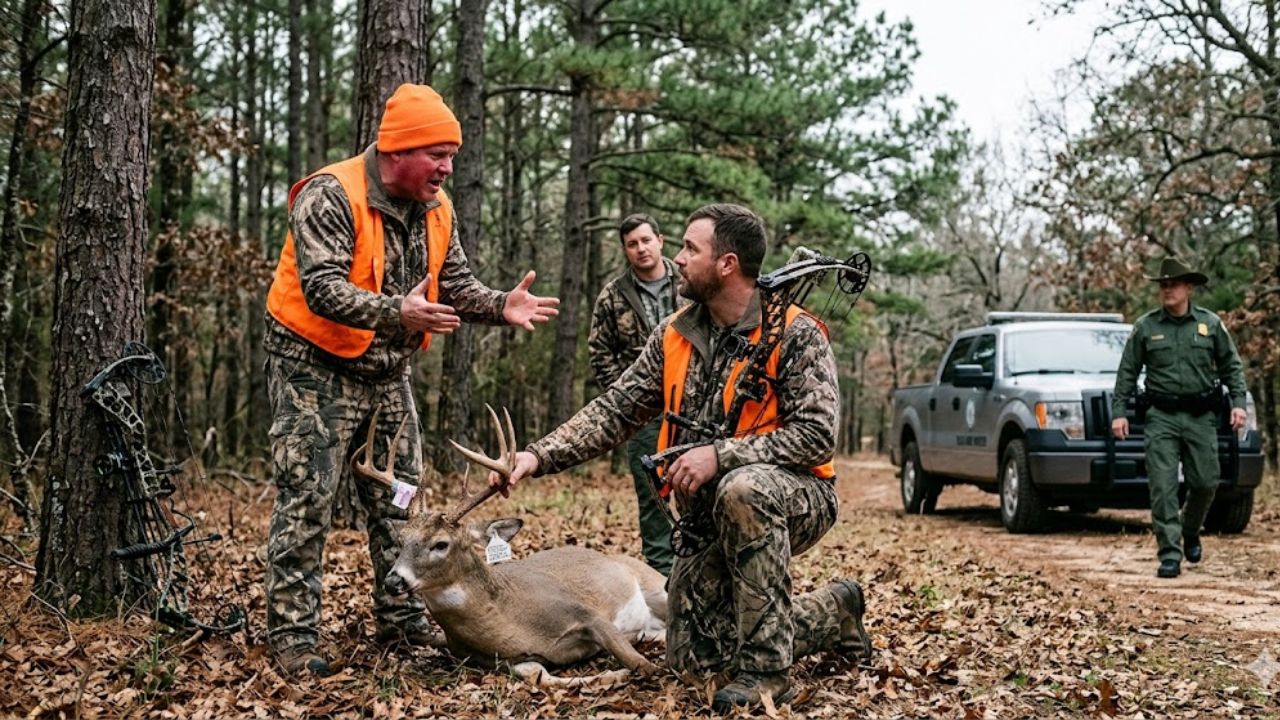
That’s when his friend allegedly started saying he should also be credited for the harvest because he helped with the tracking.
Why It Became a Dispute
The hunter said this caught him off guard. From his perspective, the shot and the initial responsibility were his, and while he appreciated the help tracking, he didn’t see it as shared ownership of the harvest.
What had been a cooperative effort suddenly turned into a disagreement over recognition.
The Line Between Help and Credit
A big part of the frustration in the story comes down to expectations.
Helping track a deer is common in group hunts — it can make recovery faster and more efficient. But whether that help translates into shared credit is where opinions start to split.
In this case, the hunter felt that assisting with tracking didn’t change who made the shot or who was responsible for the outcome.
The Reaction From Others
When the story was shared, commenters were quick to weigh in.
Many sided with the hunter, saying that helping track is part of being a good hunting partner, not a claim to the harvest itself. Others noted that misunderstandings like this often come from unclear expectations before the hunt begins.
A few pointed out that in group settings, it’s usually best to agree ahead of time on how things like credit or tagging are handled.
Why This Story Resonated
This situation struck a nerve because it’s not about a dramatic event — it’s about fairness.
Most people can relate to doing extra work and then seeing expectations shift afterward. In this case, what started as simple help turned into a disagreement over who gets recognition.
The Bigger Takeaway
At its core, this story highlights how important communication is in shared activities.
Hunting often involves teamwork, but without clear boundaries, even small roles can become points of conflict after the fact.
For the hunter who shared the story, the issue wasn’t the help itself — it was the assumption that help automatically meant shared credit.
And once that expectation mismatch shows up, it can change how people view the entire experience moving forward.

Leo’s been tracking game and tuning gear since he could stand upright. He’s sharp, driven, and knows how to keep things running when conditions turn.