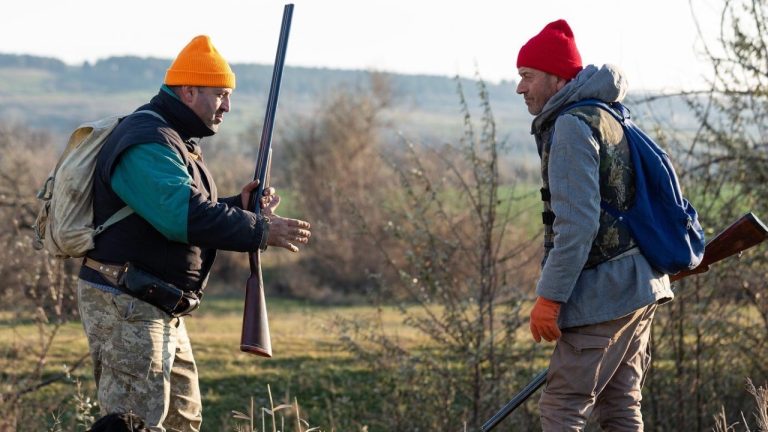
Hunter Says His Hunting Partner Left Him Alone in the Woods After a Wounded Deer — and Never Came Back
A hunter says a recent outing took an unexpected turn after his hunting partner allegedly left him alone in the woods following a wounded deer situation and did not return. The account has raised concerns about safety, communication, and responsibility during group hunts, especially in remote areas where conditions can change quickly.
According to the hunter’s version of events, the pair had been tracking a deer when it was wounded and moved deeper into the terrain. In situations like this, hunters often rely on clear coordination to avoid getting separated, since terrain, weather, and visibility can make it difficult to regroup.
How the situation reportedly unfolded in the field
The hunter claims that after the deer was hit, the tracking process began, but the group gradually split up during the search. He says his partner moved ahead and eventually stopped responding or returned to the original meeting point.
In hunting environments, especially wooded or unfamiliar areas, separation can happen quickly. Even experienced hunters can lose visual contact within minutes, which is why many groups set strict check-in points or communication rules before pursuing game on foot.
Safety concerns when hunters become separated
Being left alone in remote terrain introduces immediate safety concerns, including navigation, weather exposure, and limited communication. Many hunting areas have weak or no signal, making it difficult to confirm whether someone is safe or simply out of range.
Situations like this often highlight the importance of maintaining line-of-sight or pre-planned rendezvous points. Without those, even a short separation can turn into a prolonged search or confusion about what happened next.
Tracking wounded game and group coordination
Tracking a wounded deer is one of the more demanding parts of a hunt, often requiring patience and careful movement. Because of that, coordination between partners becomes even more important to avoid spreading out too far or losing direction.
Experienced hunters often emphasize staying within communication range during tracking efforts. Once a group splits without clear agreement, it becomes much harder to confirm progress or ensure everyone returns safely.
Communication breakdown in hunting situations
The core issue in accounts like this usually comes down to communication. If one person believes the group is still together while another assumes separation is fine, misunderstandings can escalate quickly.
Clear verbal confirmation before changing direction or leaving a track is typically considered standard practice. Without it, each person may operate under different assumptions about where the other is or where they are headed.
What typically happens after incidents like this
In most cases, situations involving separation are resolved once the individuals regroup or reconnect, but they can still lead to serious concern in the moment. Hunters often reassess their protocols after experiences like this to avoid repeating similar situations.
Some groups implement stricter rules for tracking, including mandatory check-ins or requiring partners to stay within a defined distance during recovery efforts.
Broader takeaway on hunting safety and trust
While not every separation leads to danger, incidents like this highlight how quickly trust and coordination matter in outdoor settings. Hunting in remote areas depends heavily on clear communication and mutual awareness of movement.
For many, the experience becomes a reminder that even routine outings can become complicated when groups lose track of each other, especially during active tracking situations where attention is focused on the game rather than the surroundings.

Leo’s been tracking game and tuning gear since he could stand upright. He’s sharp, driven, and knows how to keep things running when conditions turn.