Hunter Says His Hunting Partner Lied About Missing a Shot — Then Took Credit for the Kill
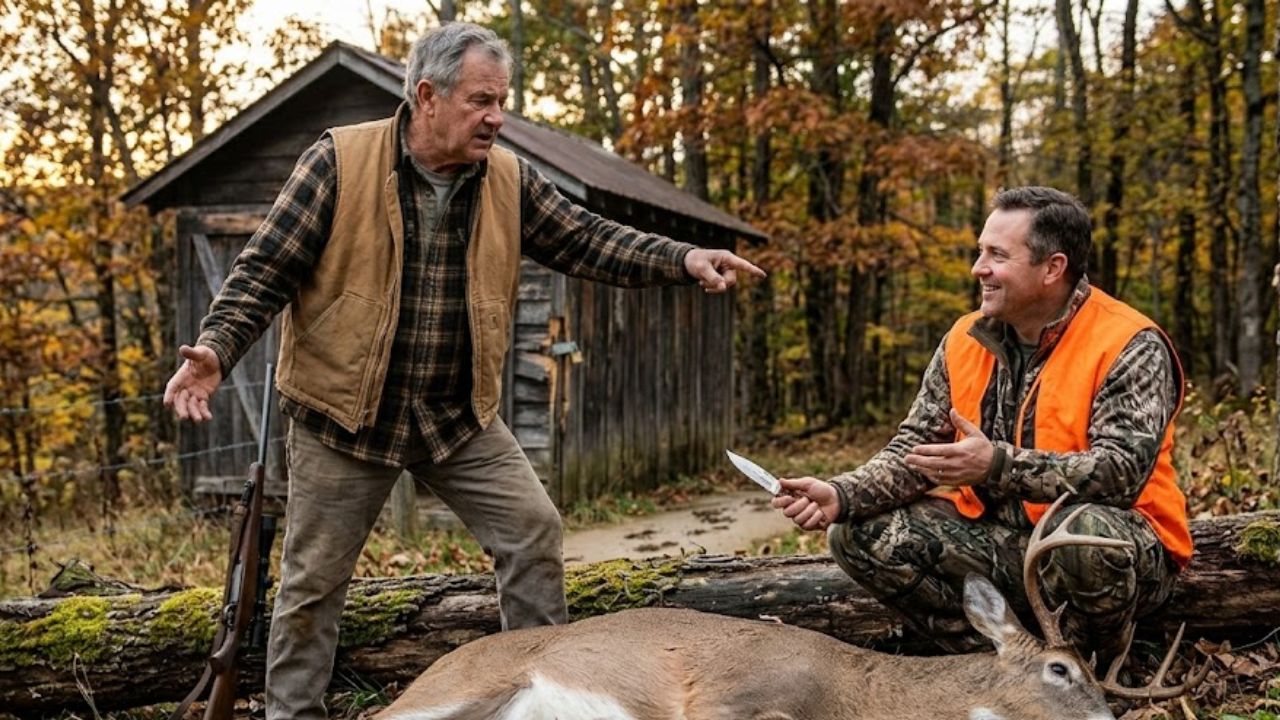
A dispute between two hunting partners has surfaced after one hunter claimed his companion missed a shot but later told others he was responsible for taking the animal. The disagreement centers on what actually happened in the field and how the final outcome of the hunt was recorded among the group.
According to the account, the two hunters were in position during a shared hunt when a shot was fired but did not result in an immediate visible drop. One of the hunters later told others that the shot had been a miss, but the situation reportedly shifted afterward when the same person described the harvest as his own successful kill. That change in the story sparked frustration and confusion within the group.
Disagreement over what actually happened in the field
In hunting situations, it’s not uncommon for confusion to arise in the moment, especially when visibility is limited or multiple people are involved. However, most hunting groups rely on clear communication to determine who made the shot and whether an animal was ethically and legally harvested.
In this case, the disagreement appears to come down to conflicting accounts of the same event. One hunter insists the shot did not connect, while the other later took credit for the animal. Without clear agreement in the field, situations like this can quickly turn into disputes that affect trust between partners.
Why shot accountability matters in hunting groups
Shot placement and responsibility are central parts of ethical hunting. Most experienced hunters follow an unwritten rule that credit goes to the person who made the effective shot, and that honesty is important when discussing what happened during the hunt.
When there’s disagreement, it can affect more than just pride. It can influence how future hunts are planned, who is invited, and how trust is handled within the group. Even small disputes can create long-term tension if they aren’t addressed directly.
How misunderstandings like this usually happen
Confusion over shots often comes from timing, distance, and line of sight. In fast-moving situations, it can be difficult for multiple people to track exactly what happened after a trigger is pulled. This is especially true in wooded or low-visibility environments.
In many cases, disagreements aren’t intentional. One person may believe they saw the animal react while another believes the shot missed entirely. Without clear confirmation in the field, different interpretations can form quickly.
Impact on hunting partnerships and trust
Hunting partnerships depend heavily on trust and clear communication. When that trust is questioned, it can change how hunters work together in future outings. Some groups establish strict rules for confirming shots or require immediate acknowledgment in the field to avoid later disputes.
Situations like this often serve as reminders that honesty and clarity matter just as much as skill. Even when emotions are high after a successful hunt, clear communication helps prevent disagreements from escalating once everyone is back home.

Leo’s been tracking game and tuning gear since he could stand upright. He’s sharp, driven, and knows how to keep things running when conditions turn.