Why feral hog populations are exploding across the southern U.S.
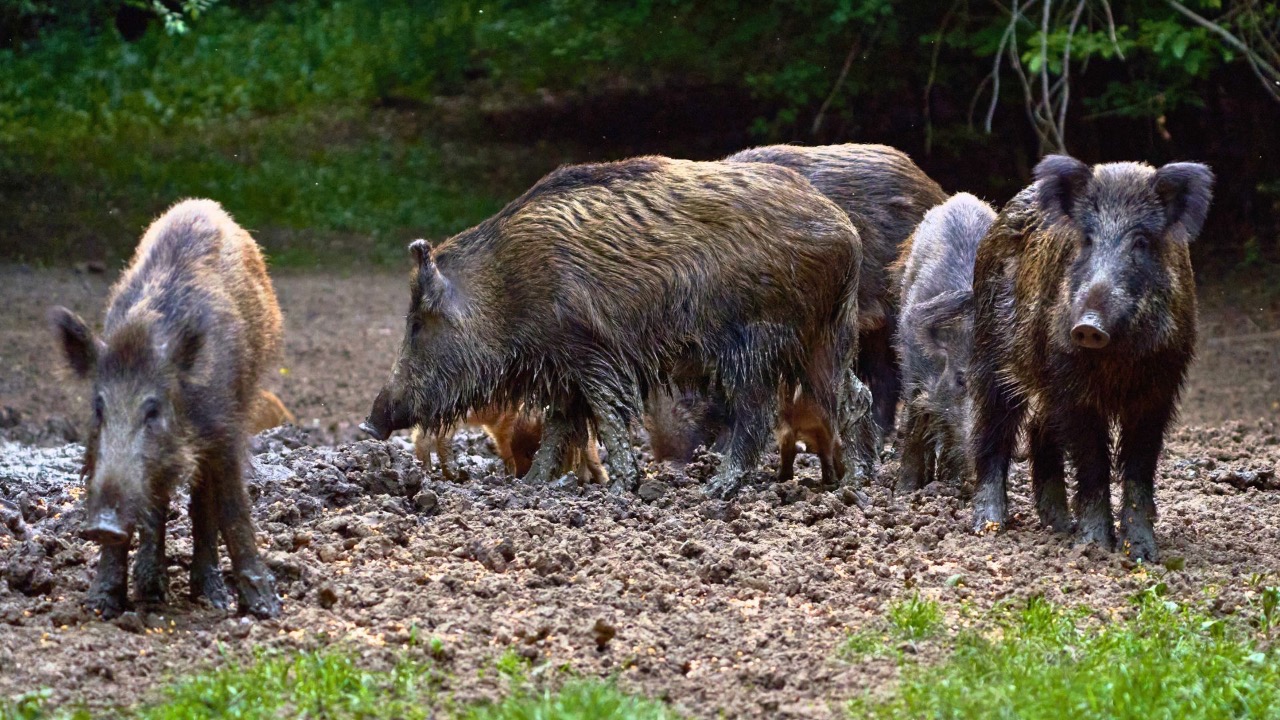
Across the southern United States, feral hogs have shifted from a rural nuisance to a full-scale ecological and economic crisis. They now root through crops, tear up golf courses and suburban lawns, and threaten native wildlife from Texas to South Carolina. Their numbers are climbing so quickly that biologists describe the trend as an invasion that is outpacing many of the tools meant to contain it.
This surge is not a simple story of “too many pigs.” It stems from centuries of introductions, deliberate human movement, explosive reproduction, and modern landscapes that favor an adaptable, intelligent animal. Understanding why populations are exploding is the first step toward deciding how far the South is willing to go to slow them down.
From barnyard to backcountry: how feral hogs took hold
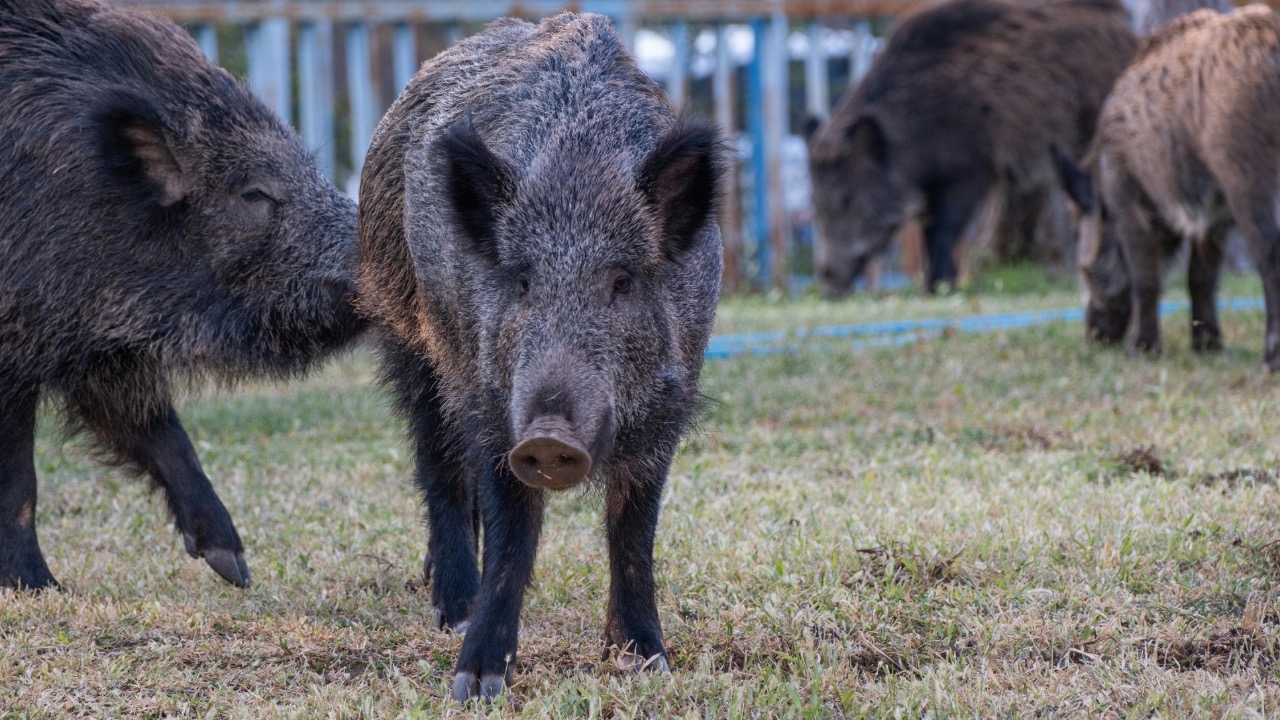
Feral hogs in the United States began as domestic pigs brought by early European explorers and settlers. As explorers moved across the continent, some of those domestic pigs were released or escaped, and free ranging herds established the first wild populations. Historical accounts compiled by Texas Parks and describe how these early animals spread across woodlands and river bottoms that offered plentiful food and cover.
Over time, landowners imported European wild boar for sport hunting, and those boar interbred with existing feral pigs. Federal biologists who track the History of Feral in the Americas describe a patchwork of domestic pigs, wild boar and hybrids that now occupy a wide range of habitats. The result is a tough, wary animal that can handle heat, cold, swamps, pine forests and agricultural fields.
In the South, that mix found ideal conditions. Mild winters, abundant mast from oaks and other trees, and long growing seasons for crops created a buffet for omnivorous pigs. Analyses of the feral hog range show dense concentrations in states such as Texas, Florida, Alabama and South Carolina, where rivers and wetlands offer both food and refuge from hunters.
Why the population curve turned sharply upward
For decades, feral hogs were present but relatively localized. The recent boom is tied to several reinforcing trends. One is simple expansion. Mapping work on How their range expanded points first to human assisted movement. Landowners trucked pigs to new properties to create hunting opportunities, and some animals inevitably escaped or were released, seeding new populations hundreds of miles away.
Hybrid vigor is another driver. Reporting that cites The Guardian describes how crossbreeds that appeared in the 1980s grew larger and reproduced faster than expected. Larger size gives hogs an advantage against predators and allows them to travel farther in search of food, while higher reproductive output accelerates the rate at which new areas fill with pigs.
Climate and land use changes have also favored hogs. Warmer winters reduce cold related mortality, and modern agriculture plants high calorie crops such as corn and peanuts in vast monocultures. Those fields, along with irrigated lawns and golf courses, create reliable food even when natural forage is scarce. A detailed look at why there is a feral hog invasion of the USA ties mild winters directly to higher survival of piglets and year round breeding.
The result is a footprint that has grown rapidly. Video explainers on how feral hogs have invaded 39 states describe pigs tearing up lawns like bulldozers. Other coverage describes wild hogs in 35 states, with scientists especially worried about the spread into critical agricultural land and forests in Florida and North Carolina. That spread is particularly intense in the southern tier, where habitat and climate are most favorable.
Biology built for a boom: reproduction and survival
Feral hogs are among the fastest reproducing large mammals in North America. Guides aimed at hunters in Georgia explain that wild hogs can breed multiple times per year, and that females can become pregnant at a young age. One overview on How Fast Do describes them as one of the fastest reproducing large animals in North America, with litters that quickly replace any animals removed by hunting.
That reproductive engine means modest control efforts barely dent the curve. A white paper on South Carolina’s Growing Wild Hog Problem concludes that to stabilize or reduce a wild hog population, approximately 50 to 75 percent of the population needs to be removed annually. It also notes that sport hunting alone cannot achieve that level of removal, because recreational hunters tend to take only a small fraction of the animals and often target larger trophy boars rather than entire sounders of females and young.
Survival is helped by intelligence and social behavior. Feral hogs learn to avoid traps and hunting pressure, shifting their movements to nighttime and dense cover. Field biologists who studied management efforts placed remote cameras before the trappers went in and found that pigs adapted quickly to any new disturbance. That adaptability, documented in research on how the U.S. feral hog population can be managed, means control techniques must evolve constantly to stay ahead of the animals.
Human choices that helped the pigs spread
Human decisions have repeatedly tipped the scales in favor of feral hogs. In their native range in Europe and Asia, hunting wild boar has long been a popular sport. That tradition carried over to the southern United States, where private landowners imported boar and then moved feral pigs between properties. Extension specialists who study Human assisted expansion describe this movement as one of the main reasons hogs appear suddenly in new watersheds that previously had few or no pigs.
In some rural communities, hogs also became a side income. Guides in states such as Georgia market night hog hunting as an adventure tourism product, complete with specialized gear and lodging. Businesses like those linked through Night Hog Hunting in Georgia show how feral pigs can create financial incentives to keep populations high enough to support clients. That economic angle complicates efforts to convince every landowner to pursue aggressive reduction.
Regulatory gaps added to the problem. For years, some states had limited restrictions on transporting live feral hogs, which allowed them to be hauled across county or state lines. Agencies that now oversee feral swine control stress that closing those loopholes is as important as removing existing pigs, because one truckload of animals can undo years of local trapping.
Southern hot spots: Texas, Alabama and South Carolina
Texas is often cited as the epicenter of the feral hog problem. State wildlife staff describe a long history of free ranging pigs, from early explorers to modern ranches. Outreach websites such as Wild Pigs at Texas Parks and Wildlife detail how hogs now occupy almost every county, damaging crops, fences and native plant communities. Local television coverage has shown wild hogs still going wild in Texas and asking what more can be done.
Alabama has seen a similar trend. A feature on Alabama describes how the state’s river bottom areas are changing. One of nature’s less beautiful species, the wild hog, is at the root of the problem as it churns up fields and forests. State hunting guidance on feral hog hunting in Alabama encourages year round removal and highlights the damage wild hogs can cause to crops and habitat.
South Carolina offers a clear picture of the financial stakes. Wildlife officials there estimate that wild pigs are causing $115 million in damages each year in South Carolina, and they warn that it is only going to get worse if populations keep rising. Local reporting on Destroying farms, golf courses and lawns describes hogs ripping up turf overnight and leaving behind craters that resemble a plowed field.
Agency summaries on South Carolina wild hogs note that the animals have been part of Sout history for centuries, but that modern populations are larger and more widespread than ever. Another report on the same issue explains that the wild pig population in parts of the state has hovered around 135,000 animals, even as intensive hunting and trapping continue. The persistence of that number illustrates how difficult it is to push populations downward once they are well established.
Ecological damage that ripples far beyond farms
The most visible damage from feral hogs is agricultural. They root up corn, soybeans, peanuts and other crops, often just before harvest. Guides on pig damage note that agricultural crops such as corn can suffer major losses when hogs move through a field. In South Carolina, officials describe farmers who have lost entire plantings overnight, forcing them to replant or abandon fields.
They also hit suburban and recreational spaces. Reports from South Carolina and Texas describe pigs tearing up golf courses and manicured lawns, leaving behind repair bills that run into tens of thousands of dollars for a single property. One South Carolina story recounts homeowners waking up to find front yards turned into a patchwork of craters after a sounder fed there for just a few hours.
The ecological impacts are less visible but just as severe. When pigs forage, they upturn soil and leaf litter, which destroys native plants and exposes bare ground to erosion. Research summarized in a study on how the U.S. feral hog population can be managed notes that this disturbance affects insects, birds and other mammals that depend on intact ground cover. Online discussions about feral pigs in highlight concerns that bears and mountain lions cannot keep up with pig numbers, especially when hunters also target those native predators.
Wetlands and riparian zones are particularly vulnerable. Hogs wallow in mud to cool off, which can collapse stream banks and increase sediment in the water. They also eat amphibians, reptiles, ground nesting birds and even fawns, putting pressure on species that already face habitat loss for other reasons. In coastal states, biologists worry that pigs rooting in marshes will accelerate erosion and undermine natural buffers against storms.
Why standard hunting is not enough
Many southern states have responded by liberalizing hunting regulations. In Alabama, for example, the state encourages year round feral hog hunting on private land, and in Texas, aerial gunning from helicopters and night vision hunts are common. Yet the numbers keep rising. A detailed white paper from South Carolina’s wildlife agency explains why. To stabilize or reduce populations, 50 to 75 percent of hogs must be removed every year, a level that casual hunting simply cannot reach.
Studies that monitored control efforts with remote cameras found that before the trappers went in, initial populations were often underestimated. Once intensive trapping began, some properties saw sharp short term declines, but new pigs soon moved in from surrounding areas. Researchers who concluded that the U.S. feral hog population can be managed stress that control must be coordinated across large landscapes, not just individual farms.
Achieving that scale is difficult. Landownership in the South is fragmented, with a mix of small farms, timber company holdings and suburban developments. Some landowners invest heavily in trapping and removal, while neighbors may do little or even feed pigs to attract them for hunting. Without broad cooperation, hogs simply shift to the safest properties and then recolonize areas where they were removed.

Leo’s been tracking game and tuning gear since he could stand upright. He’s sharp, driven, and knows how to keep things running when conditions turn.