Hunter Says Someone Shot “His” Buck Hours After He Had Been Tracking It for Days
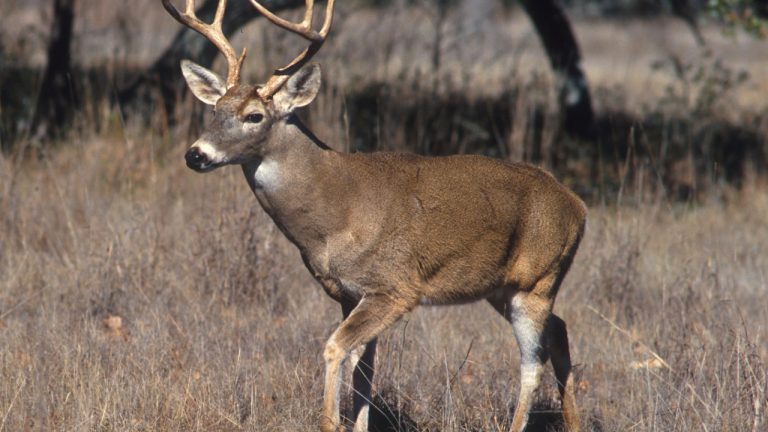
A hunting dispute has surfaced after one hunter claimed that a buck he had been tracking for several days was shot by someone else just hours before he planned to take his own attempt. The situation has raised questions about territory, timing, and what it really means to “claim” a deer in the field.
At the center of the issue is the idea of ownership in hunting, which is not always clearly defined. While tracking a specific animal can take effort and patience, wild game is generally not considered property until it is legally harvested. That gap between effort and outcome is where disagreements like this often start.
Long tracking effort before the shot
According to the hunter, he had been following signs of the buck for days, moving through the area and reading tracks to predict where it would show up next. That kind of effort can build a strong sense of attachment to a specific animal.
He believed he was close to finally getting a clean opportunity when another hunter allegedly shot the buck first. That timing led to frustration, especially after what he described as a long and consistent tracking effort in the same general area.
When multiple hunters target the same animal
In many hunting areas, more than one person may be tracking or observing the same deer without realizing it. Bucks can travel large distances, especially during certain seasons, which makes overlap between hunters more likely.
Because of that, it is not uncommon for two people to unknowingly focus on the same animal. When that happens, the first legal shot typically determines who takes the deer, even if another hunter had been tracking it for longer.
Legal take versus personal claim
In most hunting regulations, there is no formal rule that gives ownership of a deer based on tracking alone. Once a deer is harvested legally, it belongs to the person who took it within the rules of the hunt.
That can be difficult to accept for someone who invested time following the animal. Still, hunting laws are generally based on harvest, not effort, which is why disputes like this often come down to perception rather than legal standing.
Emotional investment in a tracked animal
Spending days tracking a specific buck can create a strong personal connection to the hunt. Each track, scrape, or sign can feel like progress, and that builds expectation over time.
When another hunter takes that same deer, it can feel like the work was interrupted at the last moment. Even if the shot was legal, the emotional response can still be strong because of the time and effort already invested in following the animal.
Communication gaps in the field
Situations like this often happen because hunters are operating independently without knowing others are focused on the same deer. In large hunting areas, communication between strangers is limited or nonexistent.
If hunters were able to share information about tracking efforts more openly, some conflicts could be avoided. However, in most real-world scenarios, people only realize overlap after the shot has already happened.
Hunting ethics versus hunting rules
Ethics in hunting often focus on respect for effort, patience, and fair opportunity, while official rules focus on legal harvest. Those two ideas do not always line up perfectly in the field.
One hunter may feel the deer “belonged” to his effort, while another sees it as open game until harvested. That difference in mindset is usually where the conflict forms, even when both sides followed the law.
How disputes like this usually end
Most disagreements over “claimed” animals do not have formal resolution. Once the deer is taken, there is usually no process to determine who had priority based on tracking history alone.
In many cases, hunters either walk away frustrated or come to accept that multiple people can be working the same animal. Over time, experiences like this often lead hunters to change how they track, communicate, or choose hunting areas in the future.

Leo’s been tracking game and tuning gear since he could stand upright. He’s sharp, driven, and knows how to keep things running when conditions turn.