Hunting calibers that prioritize power over meat preservation
Hunters who favor decisive terminal performance often accept that some meat will be lost in the process. Instead of building their kit around careful meat preservation, they lean into cartridges and loads that hit hard, expand violently, and anchor animals quickly, even at imperfect angles or extended ranges. I want to look at those power-first choices, how they behave in the field, and what that means for the game meat that eventually reaches the cutting table.
Power versus plate: what “overkill” really means
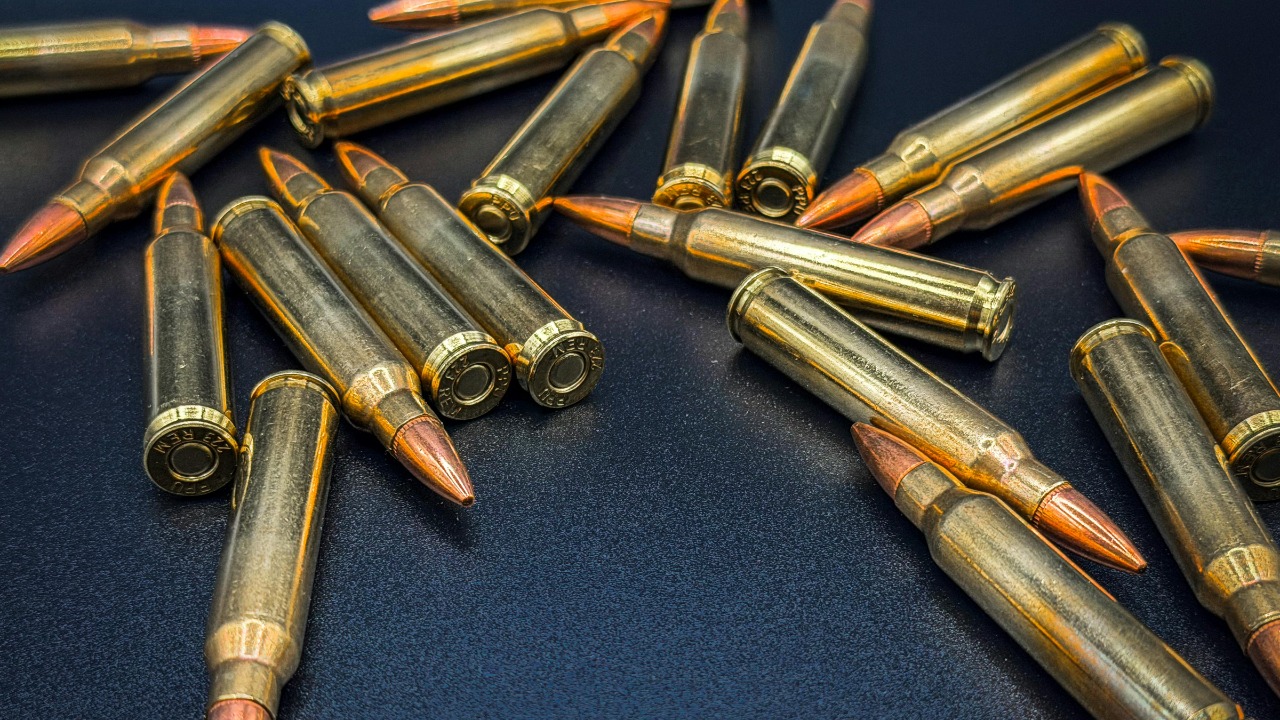
When I talk about calibers that prioritize power over meat preservation, I am really describing a tradeoff between terminal energy and tissue damage. High velocity and heavy-for-caliber bullets transfer more force into an animal, which can mean faster kills but also more blood-shot shoulders and shattered ribs that never make it into the cooler. The physics are straightforward: as bullet speed rises, kinetic energy and the size of the temporary wound cavity grow, and that extra disruption often shows up later as trimmed-away meat.
That same relationship is obvious on steel, where high speed rounds chew up targets more aggressively. One technical overview notes that When bullets travel faster they carry more kinetic energy and create a wider spread of debris on impact, a useful proxy for what happens inside an animal. In the hunting context, that extra energy can be the difference between a marginal hit that still drops a boar and a long, difficult track, but it also explains why shoulders and ribs around the wound channel may be too damaged to salvage.
Magnum Calibers Magnum and the culture of “more gun”
Modern big game culture has long celebrated magnum cartridges as the answer to tough animals and long distances. The very label Magnum Calibers Magnum signals a design goal of greater velocity, energy, and stopping power in situations where maximum impact is required. That extra horsepower is exactly what many elk, moose, and wild boar hunters want, especially when shots may be quartering or through heavy bone, but it also means more violent bullet upset and more tissue destroyed around the impact site.
On driven wild boar hunts, for example, a 300 Winchester Magnum is praised as a great choice for those who want more persuasiveness at the point of impact on the boar. That kind of cartridge is built to punch through gristle plates and heavy shoulders, not to leave every ounce of meat pristine. In my experience, hunters who choose these rounds are consciously accepting that some front-quarter loss is the price of a quick, emphatic stop on an animal that might otherwise run into thick cover or toward dogs and beaters.
Long-range magnums: 7mm Remington Magnum, 7mm PRC, and 300 Win. Mag.
Long-range hunting has pushed the demand for cartridges that stay flat and energetic far beyond typical woods distances, and that shift has clear consequences for meat. The 7mm Remington Magnum is often held up as an excellent choice for those looking for high power on mule deer and even larger game, combining accuracy with high velocity. That same high velocity, especially with rapid-expansion bullets, can turn a broadside lung shot into a wide swath of blood-shot ribs, particularly at closer ranges where impact speeds are still near muzzle levels.
Newer designs like the 7mm PRC push that envelope further, using sleek bullets that drift less and drop less at distance. One comparison notes that even with the same velocity and bullet weight as a 7mm Rem. Mag., the 7mm PRC moves three fewer inches at 500 yards and keeps that advantage beyond. The . 300 Win. Mag. is described as a terrific long-range big game cartridge whose best feature is that Its heavy bullets can be fired at high speeds. All three are built to deliver lethal energy far out, but when shots happen inside 200 yards, that same energy can translate into extensive tissue disruption that butchers have to trim away.
“Hot rounds,” hydraulic shock, and blood-shot meat
Velocity is not just a number on a box; it shapes how a bullet behaves inside an animal. Fast expanding projectiles can create a large temporary cavity that tears blood vessels and muscle beyond the direct path of the bullet, leaving a halo of bruised, jelly-like meat. For hunters who value clean roasts and steaks, that halo is waste. For those who prioritize instant collapse, it is often considered an acceptable side effect of using a hotter load.
One experienced observer notes that Aki warns the carcase damage from a hot round may mean they are not worth using, summing it up with the line that Speed kills but there is a trade-off of meat loss. Another detailed look at terminal performance points out that Another hydraulic shock issue is blood-shot meat, and that Whether the high velocity bullet kills instantly or not, trimming away that damage is not work venison gourmands appreciate. I see that tension every season: hunters want animals to drop quickly, but they also complain when half a shoulder ends up in the scrap bucket.
Rimfire and small bores that still favor impact over meat
Not every power-first choice involves a belted magnum. Even in the rimfire world, some loads are chosen because they hit harder and expand more aggressively, especially on predators where pelt and meat are secondary concerns. For coyote hunters, the priority is often anchoring a wary animal that may only offer a fleeting shot, and that means leaning toward cartridges that carry more energy and fragment reliably.
One overview of rimfire options notes that this is especially true for the . 22 LR, but that With the . 22 Magnum, . 17 HMR, and Winchester’s . 17 Super Magnum, hunters can opt for more explosive performance. Those rounds are designed to transfer energy quickly into relatively small animals, often fragmenting to avoid ricochets and overpenetration. On edible small game like rabbits or tree squirrels, that same behavior can turn a shoulder or hindquarter into a mess, which is why many meat-focused small game hunters deliberately step down to slower, less disruptive loads.
Shotguns, magnum shells, and bird meat damage
Shotguns occupy a different corner of the power versus meat debate, but the logic is similar. Waterfowl and upland hunters often reach for magnum shells under the assumption that more payload and more speed will hit harder and extend their effective range. The reality is more nuanced, and it has direct consequences for how many pellets end up in a breast or thigh and how much tissue is torn up in the process.
Regulators and educators point out that Many magnum shotgun shells are actually loaded to somewhat more conservative velocities to keep pressures down, even though hunters often equate magnum with faster and harder hitting. A separate myth-busting look at shotshells notes that Many people believe magnums are faster and hit harder, but in practice the main difference is a heavier shotload, not a big jump in velocity. That heavier payload can mean more pellets striking a duck or goose, which improves lethality but also increases the odds of pellet-damaged meat and the tedious job of picking steel out of every bite.
Heavy hitters like the .375 Winchester and big-bore choices
At the far end of the spectrum are big-bore cartridges built for close-range authority on tough animals. The . 375 Winchester, for example, is supported by factory-style components offering 180-, 200-, 225– and 250-grain bullets with Flat Tips. Those projectiles use cast Lead cores and are meant to deliver deep penetration and heavy impact at modest velocities, ideal for thick cover where shots are close and animals are big.
In practice, a cartridge like this can break shoulders and exit with authority, leaving a clear blood trail and a short recovery. The downside is obvious when the hide comes off: shattered bone, large permanent wound channels, and significant bruising around the impact site. For hunters targeting large-bodied animals like black bear or big hogs, that is often an acceptable compromise, especially when the alternative might be a wounded animal in dense brush. For those who mainly hunt deer-sized game and care about every pound of venison, it is a lot of gun, and the meat loss can feel disproportionate to the benefit.
Fast, flat small bores and the meat they leave behind
Not all high-velocity, power-first choices involve big bullets. Some hunters gravitate toward small-bore cartridges that push light, aerodynamic projectiles at extreme speeds, trading caliber for trajectory and explosive terminal behavior. These rounds are often marketed for varmint and predator work, but they sometimes cross over into deer and antelope hunting where regulations allow, with predictable effects on meat.
One modern example is the .22 Creedmoor, which is praised for a Flat trajectory. Its High velocities combined with aerodynamic bullets reduce the need for extreme holdover, which is exactly what long-range varmint shooters want. On thin-skinned game, those same bullets can fragment violently, often dropping animals quickly but leaving large exit wounds and significant meat disruption around the path of the bullet. Hunters who choose such cartridges for edible game usually do so with eyes open, accepting that a shoulder or rib section may be sacrificed in exchange for laser-like trajectories and dramatic terminal performance.
Bullet construction, shot placement, and salvaging meat
Even with powerful calibers, bullet design and shot placement can soften the blow to the freezer. Controlled-expansion bullets that retain weight and hold together tend to punch through with a more defined wound channel, while frangible designs can turn the same impact into a cloud of fragments and bruised tissue. I find that hunters who think carefully about their bullet choice can still run energetic cartridges while limiting how much meat they lose.
One experienced commentator notes that Jan discussions around meat loss often come back to specific projectiles, with some hunters in .30-06 choosing 180gr Hornady Interlocks and emphasizing that Your shot placement matters more than bullet selection. A separate look at modern projectiles notes that Bullet makers have done a good job of splitting the difference between traditional copper and lead designs and monolithic copper options, creating bullets that expand reliably yet retain weight for good penetration. For hunters who still want powerful calibers but care about the roast on the table, those controlled-expansion designs, combined with behind-the-shoulder shot placement, are often the best compromise.
From carcass to kitchen: making the most of damaged meat
Once an animal is down, the story shifts from ballistics to butchery, and this is where meat-focused hunters can claw back some of what power-first calibers take away. Careful trimming, grinding, and creative cooking can turn even heavily blood-shot quarters into something worth serving. I have seen plenty of shoulders that looked hopeless at first glance end up as excellent sausage or slow-cooked dishes once the worst damage was cut away.
Some cooks Try unusual ways of processing deer ham, turning it into grill-ready caveman cut steaks that work around damaged sections. Others lean into sausage, as in recipes that turn waterfowl into apricot and tarragon Every season or transform Goose into rich links. Classic preparations like Deer Bologna are tailor-made for trimming away bruised tissue and grinding the rest. Home processors who are serious about value often start by Learning to grind venison at home so they can tailor fat content and texture. With that approach, even meat from high-energy impacts can be salvaged, reminding me that while caliber choice sets the stage, what happens at the cutting board ultimately decides how much of the animal is wasted.

Leo’s been tracking game and tuning gear since he could stand upright. He’s sharp, driven, and knows how to keep things running when conditions turn.