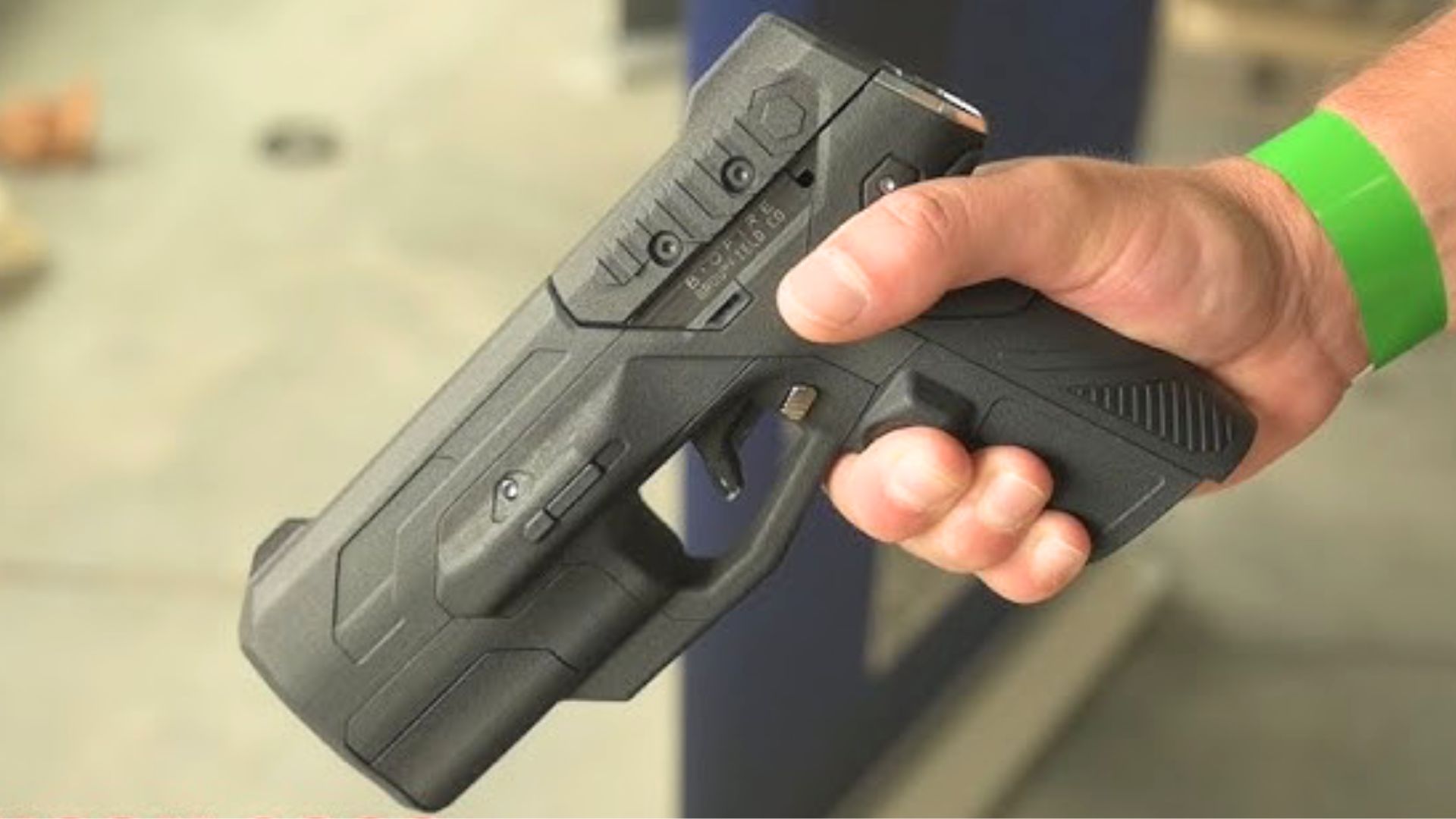
Smart gun discussion returns to statehouses — who’s proposing what in 2026
State lawmakers are walking back into session with a familiar fight waiting for them: whether to push, permit, or block smart guns. The technology that promises firearms which only an authorized user can fire is no longer science fiction, and in 2026 it is starting to show up in real bills, real court arguments, and real political messaging. The question is not just whether smart guns work, but who gets to decide how, when, and if they are used.
Across the country, legislators are trying to thread a needle between public pressure to reduce shootings and a gun culture that is deeply skeptical of anything that smells like a mandate. Some are floating incentives and liability shields, others are drawing hard lines against requirements, and a few are trying to fold smart guns into broader fights over assault weapons, age limits, and red flag laws. I am going to walk through where those debates are headed and what they mean for anyone who owns, carries, or cares about firearms.
Smart guns, defined and debated
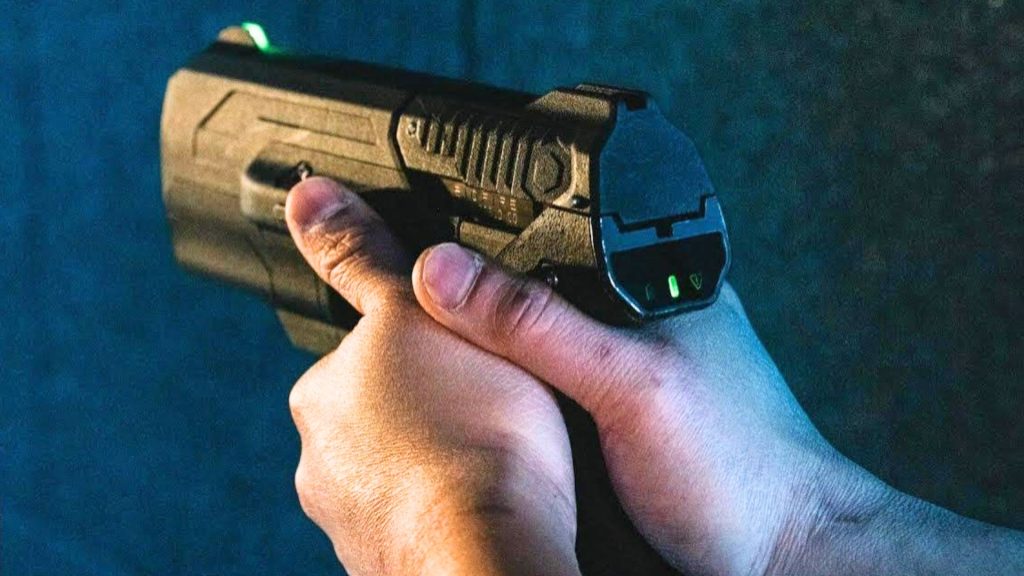
Before you can make sense of the policy fights, you have to be clear about what lawmakers mean when they say “smart gun.” In most bills and hearings, the term tracks the basic idea of a personalized firearm that only its rightful owner can fire, usually through some kind of electronic lock tied to a token, fingerprint, or code. One overview of the technology describes a smart gun as a personalized firearm that only its rightful owner can fire, and notes that the idea has been around for decades under headings like What Is a Smart Gun, even if the hardware is still evolving. The core promise is straightforward: if a criminal, child, or suicidal family member grabs the gun, it will not discharge for them.
Designers have tried a lot of different routes to get there. Some systems rely on RFID chips in a ring or watch, others on biometric readers in the grip, and still others on PIN pads or mechanical locks that tie into electronics. One design-focused analysis notes that the term “smart guns” refers to firearms that incorporate a variety of design strategies to ensure that only the authorised gun user can fire the weapon, and points out that RFID, fingerprint readers, and other electronic interlocks have all been developed to this end, describing how smart guns are meant to change who can pull the trigger. That variety is exactly what makes the policy conversation messy, because not every “smart” system is created equal, and reliability is the first thing serious shooters worry about.
From Clinton-era promise to 2026 reality
Smart guns are not a new political idea. Federal officials were talking up the concept a generation ago, arguing that technology could keep guns from firing in the wrong hands. One archived White House briefing flatly stated that smart gun technologies show tremendous promise in reducing gun violence that results when firearms are taken intentionally or accidentally by unauthorized users, and described the goal as a weapon that will not fire if an unauthorized person is not permitted to fire the weapon, framing Smart gun technology as a public safety tool. That pitch sounded futuristic at the time, but it set the tone for how gun control advocates still talk about the tech.
What has changed by 2026 is not the basic promise, but the political terrain around it. After years of false starts and boycotts, there are now actual products on the market and a steady stream of state-level bills that reference them, even if they stop short of mandates. At the same time, courts are reshaping the Second Amendment landscape, and every time the Supreme Court of the United States takes up a gun case, there is a meta question about how far lower courts can go in experimenting with new regulations, a tension that has been highlighted in coverage of Every major gun case in 2026. Smart gun proposals are now landing in that environment, where any new rule is immediately judged against fresh Supreme Court precedent.
How lawmakers are defining “smart” in statute
When you read the fine print of statehouse bills, you see that the fight is not only over whether to encourage smart guns, but over how to define them in law. Some drafts spell out that a qualifying firearm must use biometric or RFID authentication, others leave the door open to any technology that restricts firing to an authorized user. Policy papers on the subject often echo the line that a smart gun is a personalized firearm that only its rightful owner can fire, and that definition, lifted from technical discussions of Smart Gun design, is starting to show up almost verbatim in legislative text. That kind of language matters, because it decides which manufacturers can claim compliance and which cannot.
There is also a quieter fight over whether “smart” should be limited to electronic locks or whether it can include mechanical designs that achieve the same end. The broader design literature, which notes that smart guns can use a variety of strategies to ensure only the authorised gun user can fire the weapon, including RFID, fingerprint readers, and other interlocks, has been cited by staffers trying to keep statutes flexible enough to accommodate new ideas, drawing on descriptions of how firearms can be engineered to resist unauthorized use. Gun rights groups, for their part, tend to push for narrower definitions, arguing that a vague “smart” label could be stretched to cover any feature a future regulator wants to require.
Mandates off the table, incentives on
One of the clearest trends in 2026 is that outright mandates are politically toxic, even among people who like the technology. Trade groups and manufacturers have been blunt that forcing every new handgun to be “smart” would backfire. A prominent industry piece, for example, walks through the layers of regulation already on the books and warns that adding a requirement that every gun in the state be smart guns would be a mistake, arguing that even a smart gun maker knows mandates are a dumb idea and pointing to the burdens that stack up before purchasing a firearm, including background checks and other rules, when it criticizes the idea that every gun in a state should be required to use that technology. Lawmakers in swing districts have taken that warning to heart.
Instead of mandates, the action is shifting toward incentives and liability rules. Some of the bills being drafted would give tax credits to buyers who choose a smart model, others would shield manufacturers from certain lawsuits if their products meet a defined standard for preventing unauthorized use. On Capitol Hill, The Modern Firearm Safety Act, sponsored by Congressman Darrell Issa and House Republican Leadership Chairwoma Elise Stefanik, has been pitched as a way to modernize gun safety rules without punishing law abiding citizens and the firearms industry, and its sponsors have framed The Modern Firearm Safety Act as a model for how to encourage better technology while respecting rights. State lawmakers are watching that playbook closely as they write their own bills.
Age limits, training, and “smart” as a political shield
Another place smart guns are popping up is in debates over who should be allowed to buy a firearm in the first place. Some advocates argue that if a handgun can be locked to a specific user, it should be easier for younger adults to purchase one, while others insist that age limits should not budge regardless of technology. Industry commentary has pointed out that adults under 21 cannot buy a gun in some jurisdictions even though they can vote and exercise all their other rights protected under the Constitution, and has criticized that double standard while also noting that courts have already struck down laws mandating smart gun technology, highlighting how Adults in that age bracket are treated differently when it comes to firearms. That tension is now bleeding into statehouse hearings, where smart gun features are sometimes floated as a compromise.
Training requirements are getting the same treatment. Some lawmakers are toying with the idea of pairing smart gun incentives with mandatory safety courses, arguing that technology and training should go hand in hand. Opponents counter that piling new conditions on top of existing background checks and permitting rules risks turning a right into a licensed privilege. In those arguments, smart guns are less a standalone topic and more a political shield, something both sides can point to when they want to say they are “doing something” about safety without giving ground on core questions like age limits or carry rights.
Texas and the red state resistance
If you want to see where resistance to smart gun mandates is strongest, look at states that have spent the last few years expanding gun rights. Texas is a prime example. The state has been busy passing permitless carry and other pro gun measures, and its political culture is deeply skeptical of anything that looks like a backdoor restriction on firearms. A quick look at how Texas handles gun policy shows a clear pattern of prioritizing individual rights over new technology requirements, and that pattern is shaping how lawmakers there talk about smart guns.
Recent legislation in Austin has focused on insulating residents from gun control measures rather than embracing new tech. One bill, SB 1362, seeks to protect due process by prohibiting the recognition, service, or enforcement of red flag orders unless they meet strict standards, and it also limits how state agencies can participate in gun buyback programs, underscoring how SB 1362 is designed to push back against perceived overreach. In that environment, any hint of a smart gun mandate is dead on arrival, and even voluntary programs are framed carefully to avoid spooking a base that sees technology requirements as a slippery slope.
California, Newsom, and the blue state experiment
On the other side of the spectrum, California is still the testing ground for aggressive gun regulation, and that includes interest in smart guns. California Gov Gavin Newsom has made gun control a signature issue, and in 2023 he signed a sweeping package of measures that included an 11 percent excise tax on firearms and ammunition, a move that signaled how far the state is willing to go in reshaping its approach to firearm regulation, as seen in coverage noting that California Gov Gavin Newsom has tied tax policy directly to gun control. Smart gun requirements are a natural fit in that broader strategy, even if they have not yet been fully mandated statewide.
At the same time, California’s experience shows the legal headwinds that any new technology rule will face. Courts have already pushed back on parts of the state’s gun laws, including open carry restrictions, and every new regulation is now written with an eye toward how it will fare under the Supreme Court’s current Second Amendment tests. That is why some California lawmakers are more interested in using smart guns as a voluntary option tied to tax credits or insurance discounts rather than as a hard requirement. They want to move the market without handing opponents an easy constitutional target.
Court fights, assault weapons, and the smart gun backdrop
Even when smart guns are not the main issue in a case, they are part of the background conversation in the courts. Federal appeals courts have been wrestling with bans on certain semiautomatic rifles and magazines, and those decisions shape how far states think they can go with any firearm regulation. One overview of the current docket notes that, on assault weapons, so far federal appeals courts are united in upholding bans on assault style firearms such as the AR 15, and it highlights how those rulings are unfolding alongside the debut of two Trump appointees on key panels, describing how Assault Weapons So far have been treated as a distinct category. That same legal logic will be applied to any attempt to require or restrict smart gun technology.
Lawyers on both sides are already gaming out those arguments. Supporters of smart gun incentives say that voluntary programs and tax credits are far less vulnerable than bans or mandates, because they do not directly burden the right to keep and bear arms. Opponents counter that even soft pressure can be challenged if it effectively penalizes owners of traditional firearms. With the Supreme Court of the United States taking a more active role in policing how lower courts apply its precedents, and with Every new gun case in 2026 being watched for clues about where the justices might go next, state lawmakers know that any smart gun rule they pass could end up as a test case in short order.
Where the 2026 smart gun debate is really headed
Strip away the talking points, and the smart gun debate in 2026 is less about gadgets and more about trust. Gun owners want to know that a firearm will go bang when they need it to, not lock them out because a battery died or a sensor glitched. Parents and police chiefs want to know that a stolen pistol or a gun left in a nightstand is not an easy tool for a thief or a curious kid. Policymakers are trying to square those instincts with a legal environment where any new rule has to survive close scrutiny from courts that are skeptical of novel gun regulations.
From what I am seeing in statehouses, the near term path is going to be voluntary: tax breaks, liability shields, and pilot programs, not blanket mandates. The technology will keep improving, and some buyers will choose it on their own, especially in households where unauthorized access is a constant worry. But as long as influential voices in the gun world are warning that mandates are a dumb idea and pointing to existing layers of regulation as proof that the line has already been crossed, and as long as states like Texas are passing bills like SB 1362 while states like California lean into excise taxes and aggressive enforcement, smart guns will stay a political lightning rod. The hardware may be getting smarter, but the real test in 2026 is whether lawmakers can be smart enough to let the market and the courts sort out what actually works.

Asher was raised in the woods and on the water, and it shows. He’s logged more hours behind a rifle and under a heavy pack than most men twice his age.