Hunting methods older generations trust more than modern gear
Older hunters often say the best tools in the woods are still your legs, your eyes, and your patience. For all the talk about rangefinders, GPS apps, and long-range rifles, the methods they trust most are the ones that force a person to read sign, play the wind, and close the distance on an animal without a screen. Those habits did more than fill freezers for decades; they shaped how entire generations think about fair chase and skill.
As gear has grown more complex, the gap between traditional methods and modern equipment has become a live debate at every campfire. I hear it when Baby Boomers describe how they learned to hunt, and I see it in the way younger hunters lean on digital tools before they ever look for a track. For older generations, the techniques they still swear by are less about nostalgia and more about control, ethics, and confidence that does not vanish when a battery dies.
Reading sign instead of reading screens
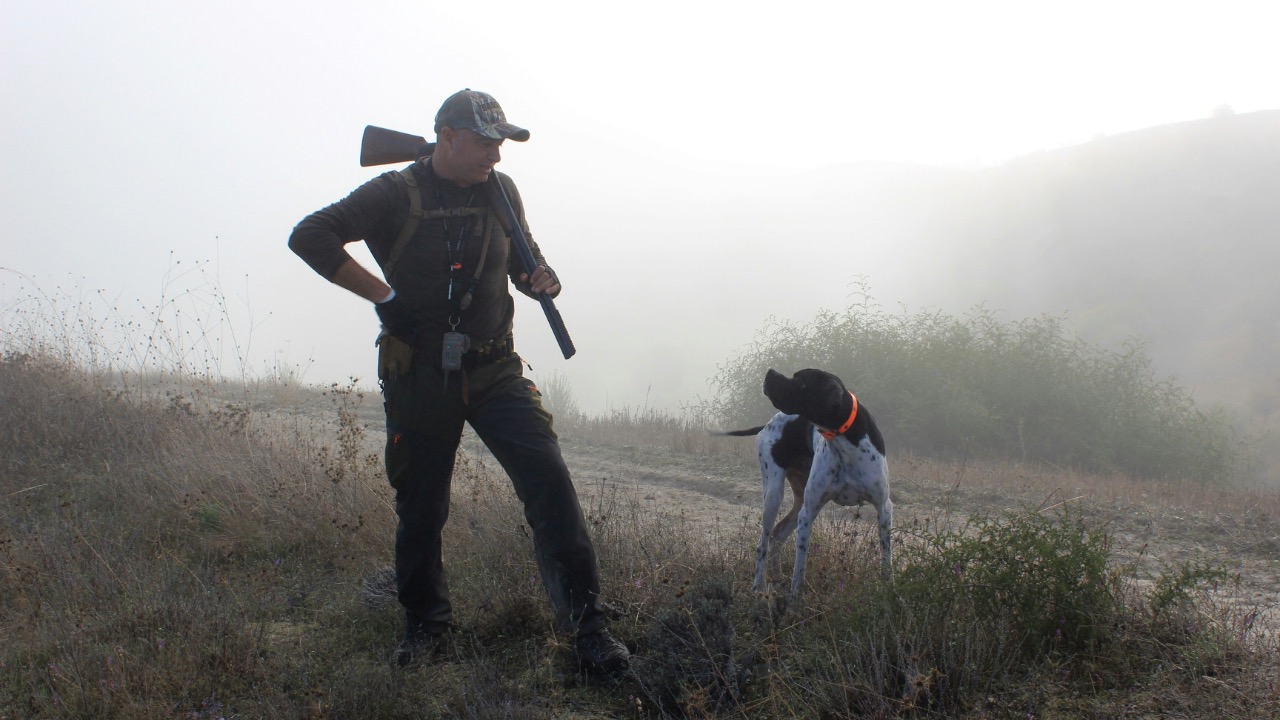
For older hunters, the foundation of any successful season is still the ability to read tracks, droppings, rub lines, and bedding cover. Long before anyone hung a cellular camera, they built mental maps of deer trails and feeding patterns by walking ridges and creek bottoms, then confirmed their theories by glassing from a distance. That habit of interpreting the woods directly, instead of through a device, is why many veterans feel calm when conditions shift or animals move off their usual patterns.
Modern tools such as trail cameras and mapping apps can certainly reveal how deer move, yet they can also tempt a person to stop scouting with their own eyes. One analysis of old versus new tactics describes how some hunters now sit at a computer, scrolling through images and deciding where to hunt from a desk instead of from the timber, while their predecessors had to earn that knowledge on foot and accept an animal’s presence on its own terms. When older generations insist that you should stop relying solely on technology and look for tracks, droppings, and wind direction first, they are defending a method that keeps the hunter engaged with the ground instead of a screen.
Still hunting the big woods on foot
Among the methods older generations defend most fiercely is still hunting, the slow, deliberate style of moving through the forest while trying to spot game before it spots you. In classic big-woods country, that means taking a few careful steps, scanning every opening, and often spending most of the day standing still behind a tree or blowdown while your eyes do the work. The goal is to let your senses, not your gadgets, tell you when a buck is close enough for a shot.
Detailed how-to guides describe still hunting as a process of moving so slowly that a feeding deer barely registers your presence, with the hunter using terrain, wind, and natural cover to break up their outline. Older hunters who grew up with this approach often see it as the purest test of woodsmanship, especially compared with sitting over a bait pile or relying on a long-range rifle to compensate for poor stalking. In their view, the satisfaction of slipping through the big woods and spotting a buck before he spots you is something no piece of modern gear can replace.
Baby Boomer skills in a high tech era
Baby Boomers sit at a crossroads between hand-me-down traditions and the explosion of modern products that hit shelves through the 1980s and 1990s. Many of them learned to hunt from parents who used simple rifles, wool coats, and paper maps, then watched as hunting gear kept improving and multiplying with calls, grunt tubes, rangefinders, rattling devices, GPS units, and new regulations from game agencies to regulate harvests. That arc gave them a front-row seat to the benefits and the tradeoffs of technology.
Because they saw both sides, a lot of Boomers still trust the basics they were taught as teenagers more than the latest gadget in a catalog. They know GPS can keep a hunter safe in unfamiliar country, yet they also remember when a compass and a clear sense of direction were non-negotiable skills. When I listen to them talk about the evolution of the hunter, the pattern is clear: they value gear that supports safety and humane shots, but they do not want it to replace the judgment and patience that define good hunting.
Simple rifles and closer shots
Older generations often started with a single, well-worn rifle that did one job well instead of a safe full of specialized firearms. They practiced at realistic distances, learned the drop of their chosen cartridge, and accepted that most shots would be inside modest ranges where bullet performance was predictable. That mindset encouraged hunters to get within striking distance of game, not to stretch shots simply because new optics or ballistics claimed they could.
Modern firearms are a far cry from the rudimentary weapons used by early hunters, with precision-engineered barrels, advanced optics, and ammunition that can support cleaner and more humane kills at longer ranges. A fact sheet on western deer hunting notes that the combination of modern rifles, more choices in calibers and ammunition, and improved optics enables hunters to easily shoot two hundred yards or more, which can take some of the challenge out of long-range shots. Many older hunters respect that progress, yet they still trust the ethic they learned first: close the distance, know your limits, and treat every trigger pull as a serious decision rather than a test of equipment.
Old school apparel and comfort priorities
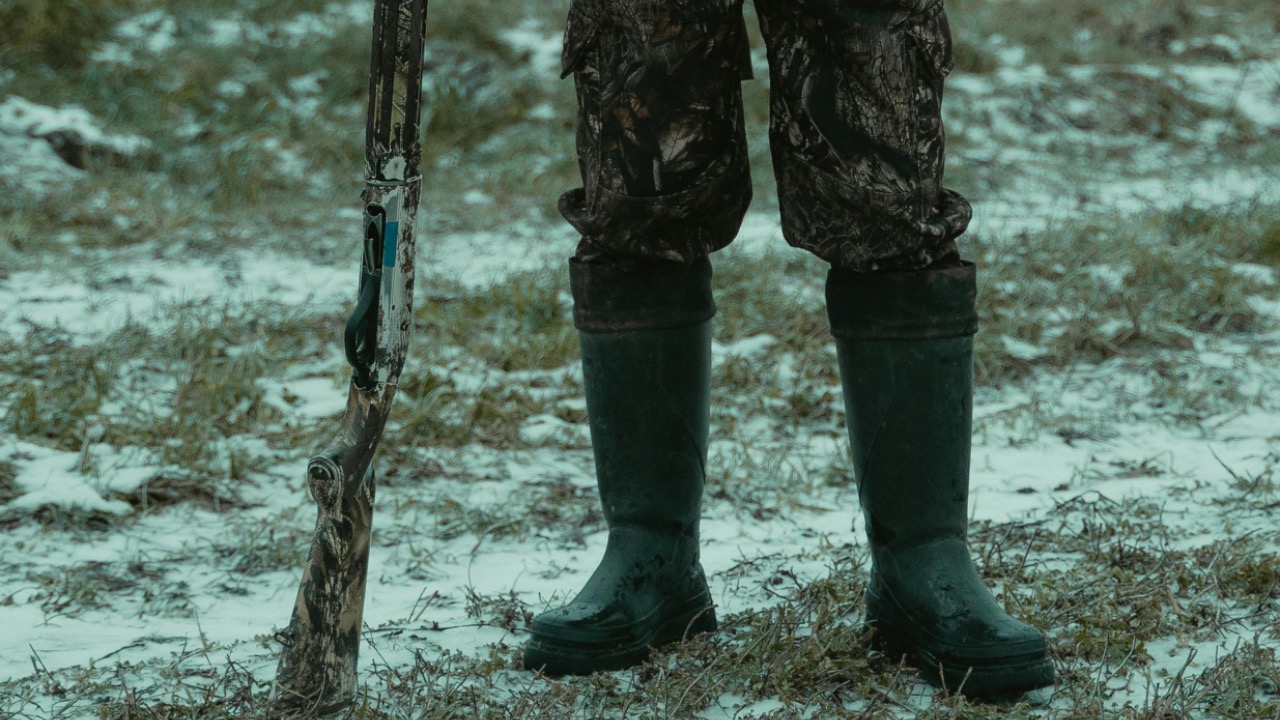
When my granddad and dad started hunting, they often wore heavy wool coats, canvas pants, and hand-me-down boots that were more about durability than comfort. When one writer recalls that when my granddad and dad started hunting it was not even common for hunters to wear camouflage, it matches what I still hear from older hunters who relied on plaid jackets and solid colors. Plenty of bowhunters headed into the woods with whatever farm clothes they owned, trusting movement discipline and wind awareness more than printed patterns.
Today, advanced hunting apparel promises breathable membranes, ergonomic cuts, and patterns tuned to specific habitats, and the performance of modern materials is just as astounding as the marketing suggests. At the same time, another look at the evolution of clothing reminds readers that traditional hunting attire, while effective in its time, often lacked the safety and comfort elements that modern fabrics provide, such as moisture management and better insulation. Older hunters who have adopted some of this new gear still tend to treat it as a comfort upgrade, not a substitute for staying still, choosing the right background, and understanding how animals see and smell.
Still trusting basic stands and ground blinds
Tree stands and ground blinds have changed dramatically, yet many older hunters still favor simple, safe setups over elaborate, fully enclosed towers. A discussion among older hunters points out that blinds are safer, easy to set up, offer shelter from the elements and somewhat control human scent, especially when paired with swivel chairs and rifle rests that help aging hunters stay steady. That mix of safety, comfort, and basic concealment has become a trusted method for those who want to keep hunting hard without risking falls or exposure.
These same hunters remember when a stand was often just a wooden platform in a tree and a blind might be a brush pile built by hand. Their confidence comes less from the product and more from the way it is placed: downwind of trails, tucked into cover, and positioned to take advantage of natural funnels. Even as modern blinds add better fabrics and windows, the veterans I talk to still rely on the same principles they used decades ago, treating the blind as a tool that supports good woodsmanship rather than a magic solution.
Why many veterans distrust too much tech
Plenty of seasoned hunters are not anti-technology, but they are skeptical of anything that seems to shrink the role of skill. One analysis of how gadgets affect success points out that yet their success rates rarely surpass those who hunt with basic, reliable gear, even when some hunters spend heavily on the latest products. Some advances have genuinely improved safety, accuracy, and communication, but the idea that gear alone guarantees more tags filled does not match what experienced hunters see in the field.
Many argue that the real investment should be in time and practice, not in one more device that promises an edge. A separate reflection on gear evolution notes that hunting today sits between tradition and technology, and that balance can foster a deeper respect for wildlife populations when hunters choose tools that support fair chase instead of shortcuts. The older hunters who trust their own judgment more than their electronics are not resisting change for its own sake; they are protecting a style of hunting that forces them to stay engaged, humble, and adaptable.
Trail cameras versus time in the woods
Few tools divide generations like the modern trail camera. Younger hunters often deploy networks of cameras to pattern deer months before the season, while older hunters remember when the only way to learn a buck’s habits was to sit on a ridge at dawn and watch. An essay on old versus new tactics describes how, well before season, today’s hunter has his trail cameras in place and, from the comfort of his computer, decides when and where to hunt, a stark contrast to the days when scouting meant sore legs and bug bites.
Some older hunters do use cameras, but they tend to treat them as a supplement rather than the core of their strategy. Another comparison of deer hunting then and now mentions that some people use cameras to capture photos of wild songbirds at backyard feeders, while others rely on them to decide exactly when they might hunt a particular area. The veterans I talk to trust long hours in the field more than SD cards, because they believe the quiet time spent watching real animals, in real weather, teaches lessons no photograph can match.
What older hunters still teach new ones
For all the friction between generations, the most experienced hunters are often the first to share what they know with newcomers who are willing to listen. A detailed history of gear changes explains how older hunters relied on leather, wool, and simple garments, while modern hunters benefit from technical fabrics, and it concludes that hunting today sits between tradition and technology in a way that can foster a deeper respect for wildlife populations. That perspective, grounded in decades of change, is exactly what younger hunters need when they are deciding which tools to adopt and which skills to build from scratch.
Conversations about modern firearms, GPS apps, and advanced clothing can easily turn into gear debates, but the older hunters I meet usually steer things back to fundamentals. One video discussion of Modern Gear vs Traditional Gear, recorded in Jan, captures that spirit when a hunter reflects on how much of a challenge it was in the early days and adds, “I mean it’s what a challenge and what a what a Yeah what a thing to go through,” before describing the satisfaction that comes from doing things the hard way. When I listen to those stories, I hear less nostalgia and more of a quiet confidence that the methods they trust most, from still hunting to simple stands, will outlast any single piece of equipment.
Balancing fair chase with new tools
Every generation has to decide where to draw the line between helpful innovation and unfair advantage. One detailed look at how gadgets affect ethics asks Technology and hunting, When do advancements go too far, and highlights concerns that some tools might erode the challenge that makes a hunt meaningful. When older hunters argue for limits, they usually point back to the same core ideas: an animal should have a reasonable chance to detect and evade a hunter, and success should come from knowledge and patience as much as from hardware.

Leo’s been tracking game and tuning gear since he could stand upright. He’s sharp, driven, and knows how to keep things running when conditions turn.