ICE Official Purchased Thousands of Vehicles Agents Reportedly Can’t Use
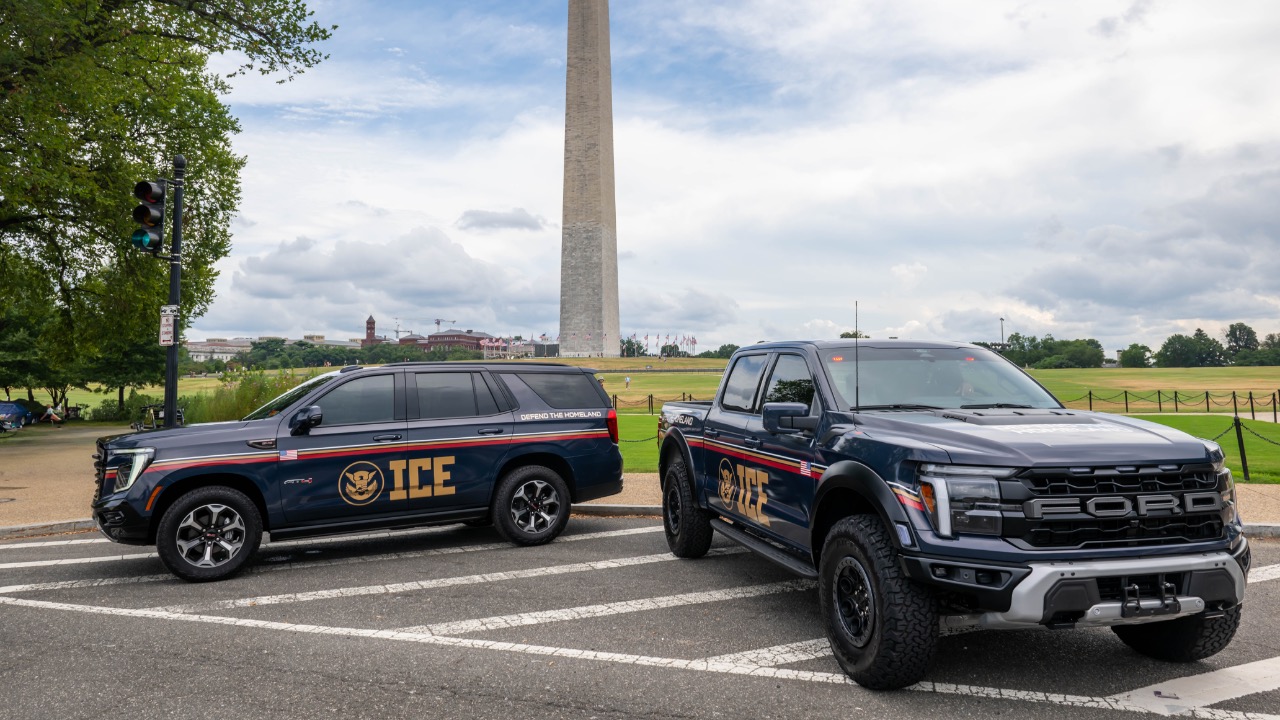
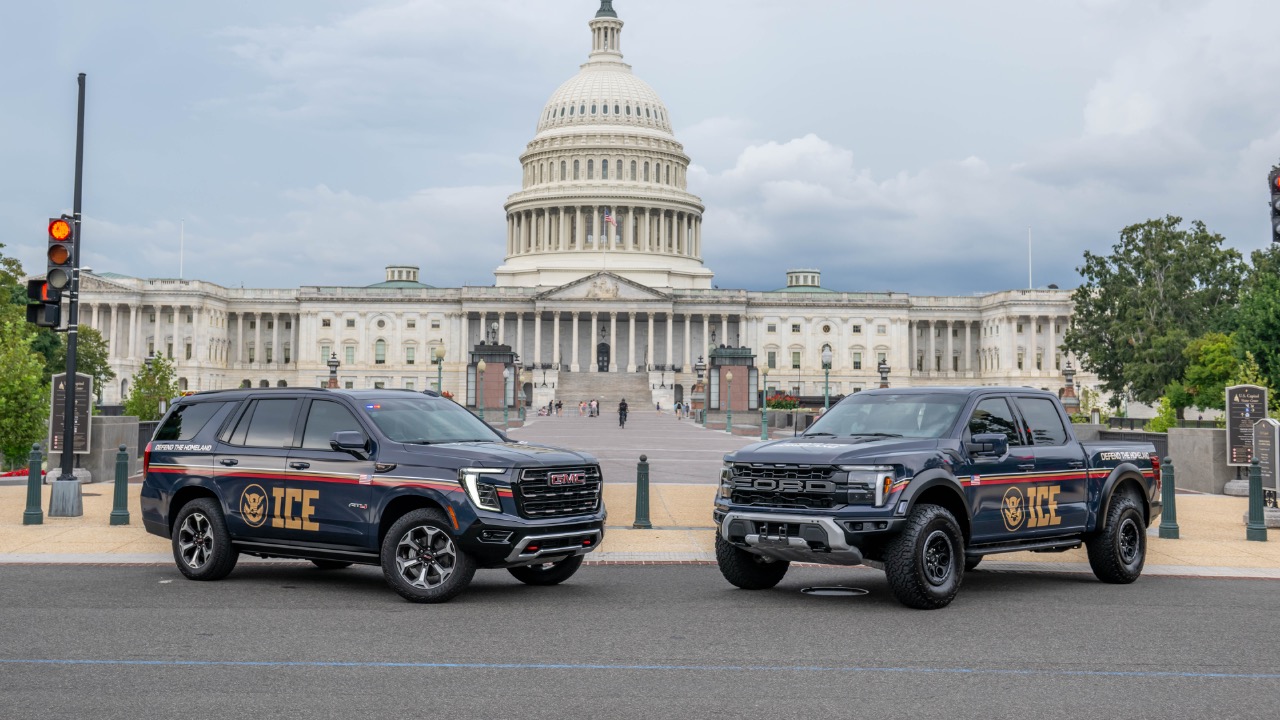
Immigration and Customs Enforcement is facing a multimillion dollar embarrassment over thousands of newly branded vehicles that frontline agents reportedly refuse to drive. The spending decision, pushed by a young political appointee inside the Department of Homeland Security, has quickly become a symbol of how opaque procurement and political image-making can collide with operational reality.
The controversy comes as ICE is already under scrutiny for its use of force, surveillance tools, detention expansion and a ballooning fleet budget, sharpening questions about who actually controls the agency’s priorities and how taxpayer money is being spent.
The deputy behind the car fiasco
At the center of the uproar is Madison Sheahan, a 28 year old deputy inside ICE who has drawn intense attention for her rapid rise and high profile role in shaping the agency’s public image. A basic search for Madison Sheahan highlights how quickly she has become a political lightning rod.
Reporting describes Sheahan as a close ally of Kristi Noem inside DHS and portrays her as a driving force behind a push to rebrand ICE operations with a tougher, more theatrical edge. Critics inside the department have reportedly nicknamed her “ICE Barbie,” a label that reflects resentment toward what they see as a focus on optics over substance. According to those accounts, Sheahan championed a fleet of new, heavily branded vehicles meant to project strength during ICE raids and public facing operations.
Rather than boosting morale, the strategy has produced a backlash inside the ranks. Agents quoted in coverage say they view the new vehicles as unsafe, overly conspicuous and tactically unsound for the kinds of enforcement operations they are expected to carry out.
How thousands of unusable vehicles were ordered
The core of the scandal is simple: ICE acquired thousands of new vehicles that agents reportedly will not use. One prominent critic described Kristi Noem’s DHS as having wasted “MILLIONS of taxpayer dollars on 2,500 ICE vehicles that her agents are too scared to use,” a claim amplified in a viral post that spelled out the number as exactly 2,500.
According to internal accounts described in recent reporting, Sheahan pushed for a rapid, large scale order of branded SUVs and trucks without fully consulting field leadership about operational needs. The vehicles reportedly feature aggressive ICE markings, distinctive color schemes and visible tactical modifications that make them stand out in neighborhoods where agents are often trying to avoid drawing attention until an operation is complete.
Agents quoted in those reports say the new fleet is so conspicuous that it compromises officer safety and the success of raids. Some describe the vehicles as “rolling billboards” that alert targets long before agents can make contact. Others raise concerns that the branding could make them lightning rods for confrontation in communities already wary of immigration enforcement.
Instead of being deployed, many of the vehicles are reportedly sitting idle on lots or in garages. That has fueled anger among career staff who see the purchase as a politically driven vanity project that ignored basic field input.
DHS scrambling to contain the fallout
The Department of Homeland Security is now racing to limit the damage. One detailed account describes DHS scrambling to find ways to retrofit or reassign the vehicles so that at least some of the sunk cost can be salvaged.
Officials have reportedly floated options that include stripping the most aggressive branding, repurposing some vehicles for training or administrative use, and quietly shifting others to less sensitive assignments. None of these fixes will fully recover the money already spent, and each carries its own logistical and political headaches.
The episode has also intensified scrutiny of how much latitude political appointees like Sheahan have over ICE’s procurement decisions. According to one account, senior DHS leaders were not fully aware of the scale of the order until complaints from the field began to pile up and images of the unused vehicles started circulating internally.
Coverage of the fiasco has drawn attention to the role of reporter Tom Latchem, who detailed how Tom Latchemchronicled the internal anger over the vehicles and the perception that Sheahan prioritized dramatic visuals for ICE raids inside the agency over practical considerations.
What the budget documents show
The controversy comes against the backdrop of a large and growing ICE budget for vehicles, facilities and enforcement technology. In its formal funding requests to Congress, ICE has laid out ambitious plans to expand its fleet and infrastructure. The agency’s fiscal year 2026 congressional budget justification, filed with DHS, details how ICE intends to use federal dollars for transportation, detention and operational support, including vehicles that can move agents and detainees across the country.
The budget document, available through ICE FY26 budget, spells out the scale of planned spending for enforcement support. While it does not list Sheahan’s vehicle order by name, it illustrates how a single procurement decision can be buried inside broad categories that receive limited public attention.
Fleet spending is only one piece of the picture. ICE has also been pushing for new detention facilities that can hold tens of thousands of people at a time and for sophisticated surveillance tools that extend its reach far beyond the border. The vehicle scandal has given lawmakers a concrete example to point to when they question whether the agency is managing its resources responsibly.
Pattern of opaque and aggressive acquisitions
The unused vehicles fit into a broader pattern of ICE acquisitions that have sparked concern among local communities, privacy advocates and members of Congress. In Texas, residents learned that Immigration and Customs had purchased an industrial warehouse near El Paso with plans to use it as a detention center capable of holding 40,000 people outside El Paso, a move that local officials said was carried out with secrecy that left towns frustrated and scrambling for information.
At the same time, ICE has been on what civil liberties advocates describe as a surveillance shopping spree. Documents show the agency has acquired trucks equipped with cell site simulators, also known as Stingrays, from a company called TechOps Specialty Vehicles. These devices can mimic cell towers, allowing agents to track phones and intercept data in ways that raise serious privacy questions.
ICE’s appetite for heavy equipment is not limited to communications technology. A short video clip highlighted how the agency purchased $10M worth of armored vehicles, with 20 armored vehicles made by a Bmptonbased defense manufacturer set to be delivered to “US Immigrations and Customs Enforcem,” a phrase that underscores how fast these deals can move even when basic details are not clearly communicated.
Separately, internal emails obtained by local reporters in Massachusetts showed that just a few months before the current uproar, ICE proposed spending about $100 million on approximately 1,000 new SUVs to support President Donald Trump’s enforcement agenda. That earlier plan, which cited “more actions” in internal messages, now looks like a preview of the scale and ambition behind the Sheahan vehicle order.
Political and oversight backlash builds
The vehicle fiasco has landed in a political environment where ICE and DHS are already facing multiple oversight efforts. In one high profile push, more than 70 Democrats in the House and Senate have urged the Department of Homeland Security inspector general to open a new investigation into alleged purchases of location data by ICE and other DHS components. Their letter argues that these agencies did not adhere to established privacy policies and lacked adequate guardrails before procurement and use.
Separately, the department’s watchdog is examining use of force by ICE and Customs and Border Protection. Lawmakers have pressed the inspector general to review eight of the tactics undertaken by ICE and Customs, urging the office to speed up its probe and assess whether the agencies are following their own policies and directives.
Inside Congress, Rep Lucy McBath, 65, a member of the House Judiciary Committee, has already tried to tighten control over ICE’s spending. She proposed an amendment last year that would have directed a portion of ICE’s budget away from controversial enforcement tactics and toward oversight and accountability, an effort that gained attention after the Sheahan scandal broke.
The political fallout has also extended to Kristi Noem, who is portrayed in critical commentary as presiding over a DHS that allowed the vehicle purchase to move forward without adequate checks. One widely shared social media post framed the situation as “BREAKING” news and accused Kristi Noem’s DHS of wasting “MILLIONS” on vehicles that “won’t ever be used,” language that has stuck in coverage of the episode.
Inside ICE, frustration and fear
For agents on the ground, the controversy is not only about wasted money. It is also about safety and trust in leadership. Field officers quoted in reporting describe a widening gap between political appointees in Washington and the realities of executing arrests in complex, often volatile environments.
Some agents say they are “too scared to use” the new vehicles because the branding and design make them obvious targets in communities where hostility toward ICE is high. Others worry that the vehicles will attract cell phone cameras and social media attention, which can escalate tensions and complicate already sensitive operations.
There is also anger about what the episode suggests regarding internal culture. Career staff see the Sheahan order as evidence that flashy optics can override operational expertise, with little consequence for those who make the decisions. That perception is especially corrosive at a time when ICE is under scrutiny for its treatment of migrants, its use of detention and its reliance on surveillance technology.
The backlash has reportedly affected morale, with some agents questioning whether leadership will listen to their concerns about equipment, tactics and community relations. The unused vehicles have become a visible symbol of that disconnect, parked reminders of a decision that many inside the agency view as reckless.
What the scandal reveals about DHS control
The Sheahan vehicle fiasco has also intensified debate over how much control DHS headquarters really exerts over its component agencies. The fact that thousands of vehicles could be ordered, branded and delivered before top leaders fully grasped the operational pushback suggests a procurement system that is both sprawling and fragmented.
Internal critics argue that DHS needs stronger guardrails on large purchases, including mandatory consultation with field leadership, independent safety assessments and clearer transparency to Congress. Supporters of tighter controls say the vehicle scandal is exactly the kind of preventable error that more rigorous oversight could have caught early.
Others point out that the same structural weaknesses that allowed the Sheahan order to proceed have also enabled ICE to quietly expand detention capacity, acquire powerful surveillance tools and negotiate contracts that reshape local communities without much public debate. The vehicles are simply the most visible example of a deeper pattern.
As the department works to reassign or modify the unusable fleet, the political and institutional questions will not be as easy to park. The scandal has given lawmakers, advocates and ICE’s own workforce a concrete case study in how procurement can go wrong when image, politics and secrecy outrun basic operational judgment.

Leo’s been tracking game and tuning gear since he could stand upright. He’s sharp, driven, and knows how to keep things running when conditions turn.