Iran Ceasefire Strained by Renewed Attacks on UAE and U.S. Vessels in Strait of Hormuz
A fragile ceasefire involving Iran and the United States is coming under renewed pressure after reports of fresh attacks in and around the Strait of Hormuz, including strikes linked to vessels near the United Arab Emirates and continued maritime incidents involving U.S.-connected shipping. The situation has raised concerns that the pause in active conflict could be weakening rather than holding.
According to recent reporting, U.S. military officials have said the ceasefire technically remains in effect, but they also acknowledge ongoing hostile activity in the region. That includes incidents where Iranian forces have been blamed for targeting or interfering with ships moving through one of the world’s most critical shipping routes. Even with diplomatic messaging suggesting restraint, the reality at sea appears far less stable.
Attacks in and around the Strait of Hormuz
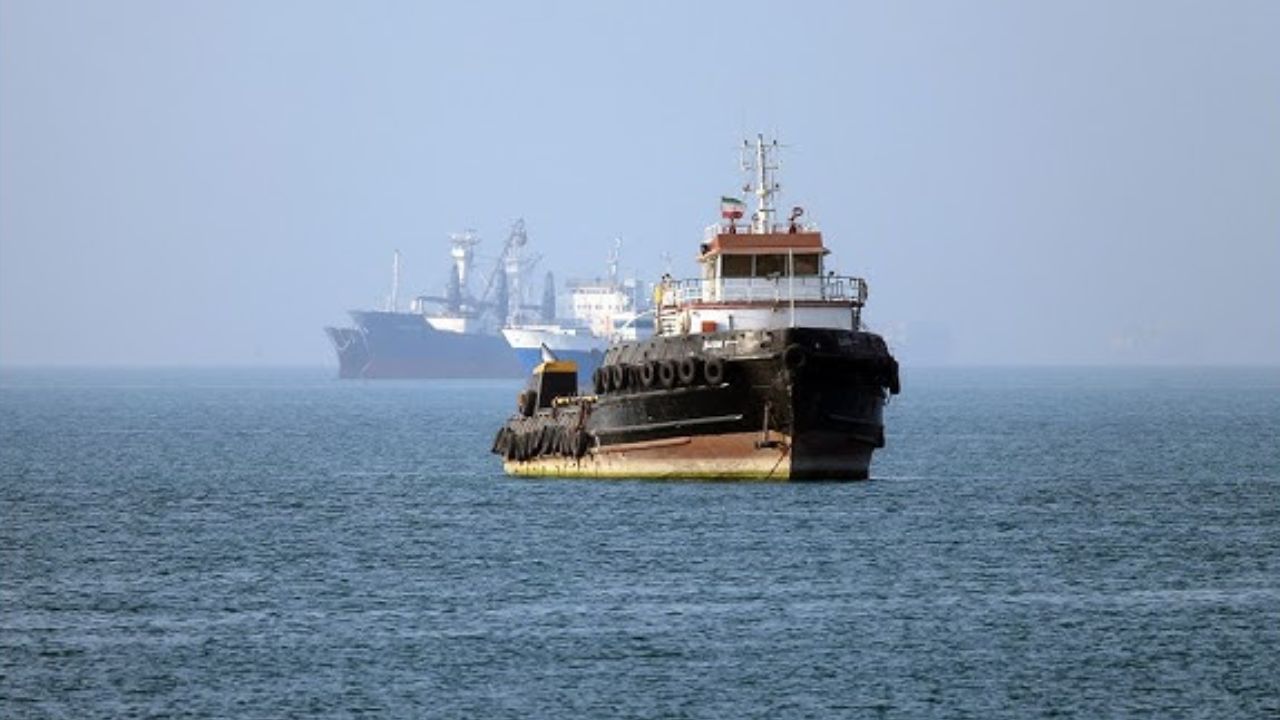
The Strait of Hormuz has become the central flashpoint. U.S. forces have reported incidents involving Iranian boats and drones that threatened commercial and military shipping, prompting responses aimed at keeping the waterway open. In some cases, American forces have engaged small Iranian vessels after they were seen as a threat to transit routes.
At the same time, the United Arab Emirates has reported coming under renewed drone and missile attacks linked to Iran during this broader period of tension. These incidents add another layer of instability, since the UAE is a key regional partner for the United States and heavily dependent on secure maritime trade through the Gulf.
Ceasefire in name, tension in practice
Officials have described the ceasefire as “fragile,” and the recent developments highlight why. While there may not be a full-scale declared war, both sides continue to accuse each other of violations and aggressive behavior. That makes the ceasefire more of a limited pause than a stable agreement.
Shipping activity in the Strait of Hormuz has also been heavily disrupted. Reports indicate that traffic remains far below normal levels, with many commercial operators avoiding the area or relying on military escort routes due to uncertainty about safety. Even small incidents have been enough to affect global energy markets and shipping confidence.
Strategic importance driving escalation
The Strait of Hormuz remains one of the most strategically important waterways in the world, with a large share of global oil shipments passing through it. That alone makes it extremely sensitive during any conflict involving Iran and Western forces.
Because both Iran and the United States view control and access in the region as strategically important, even limited clashes carry outsized consequences. Iran has historically used the strait as leverage in broader negotiations, while the U.S. has focused on keeping it open for international trade and energy flow.
Regional ripple effects and uncertainty ahead
Beyond direct military encounters, the situation is also affecting nearby countries like the UAE and Oman, which rely heavily on stable shipping lanes. Any escalation in the Strait of Hormuz tends to create immediate economic pressure, especially in global fuel pricing and shipping insurance costs.
For now, the ceasefire remains in place in an official sense, but the continued reports of attacks and maritime incidents suggest it is under serious strain. With both sides still operating military assets in close proximity, the risk of further escalation remains high if another incident pushes either side to respond more aggressively.

Leo’s been tracking game and tuning gear since he could stand upright. He’s sharp, driven, and knows how to keep things running when conditions turn.