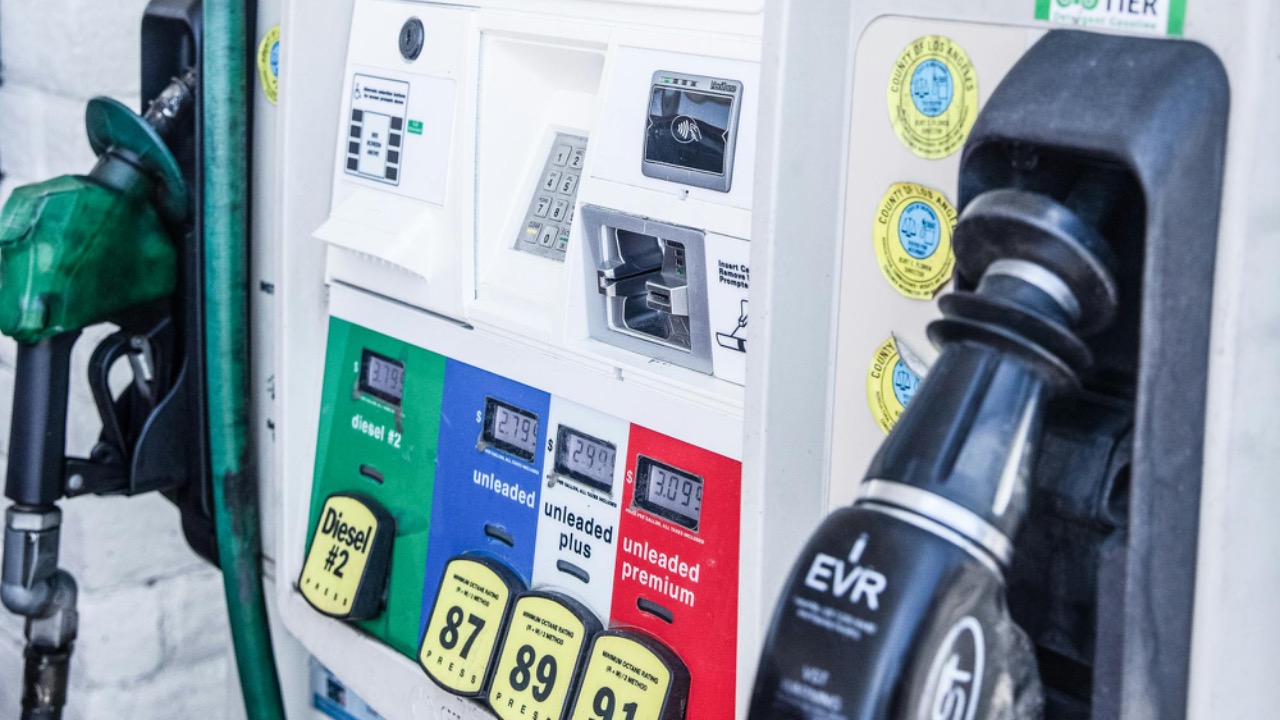
Iran Conflict Causes Sharpest Rise in Gas Prices Since 1960s, Undermining Energy Independence Claims
The ongoing Iran conflict is triggering one of the fastest and most severe spikes in fuel prices in decades, with analysts comparing the scale and speed of the surge to historic oil shocks of the mid-20th century.
What’s happening now isn’t just a normal price increase—it’s a global supply disruption hitting one of the most important energy chokepoints in the world.
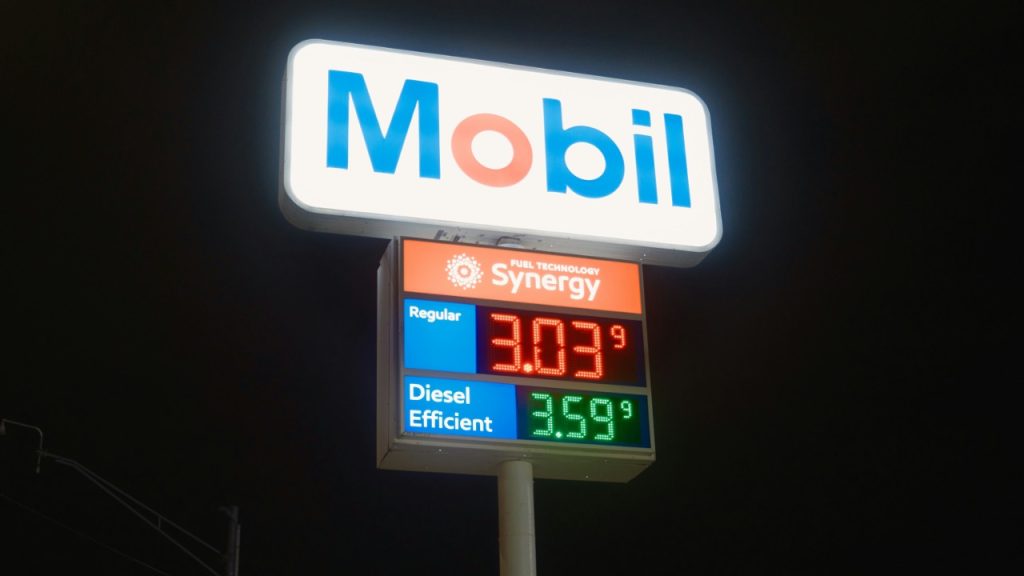
Why Gas Prices Are Spiking So Fast
At the center of the surge is the Strait of Hormuz, a narrow shipping lane that normally carries about 20% of the world’s oil supply.
Since the conflict escalated:
- Shipping traffic has nearly halted or slowed dramatically
- Tankers have been stranded or rerouted
- Insurance and transport costs have surged
With supply restricted, global oil prices jumped sharply—rising roughly 40–45% in a matter of weeks and pushing crude above $100 per barrel.
That spike quickly translated into higher gasoline prices worldwide.
The Sharpest Shock in Decades
Recent reporting shows just how extreme the situation has become:
- Oil prices surged as much as 35–50% during the conflict
- U.S. gas prices climbed above $4 per gallon in many areas
- Gasoline futures are up more than 70% since early 2026
Meanwhile, the International Energy Agency now describes the disruption as one of the largest oil supply shocks in history, with millions of barrels per day removed from global supply.
That combination—speed, scale, and global reach—is why economists are comparing it to historic energy crises.
Why “Energy Independence” Isn’t Protecting Prices
One of the biggest takeaways from this situation is that domestic oil production doesn’t isolate countries from global price shocks.
Even though the U.S. produces large amounts of oil:
- Oil is traded on a global market
- Prices are set by worldwide supply and demand
- Disruptions anywhere affect prices everywhere
That’s why Americans are seeing rising prices despite relatively strong domestic production.
Experts say the current spike is proof that “energy independence” reduces supply risk, but not price exposure.
The Ripple Effect Across the Economy
The impact goes far beyond gas stations.
Higher fuel prices are already pushing up:
- shipping and transportation costs
- food prices (due to fertilizer and logistics disruption)
- airline tickets and freight
- manufacturing and supply chain costs
Some forecasts warn that prolonged disruption could even trigger a global recession, driven largely by sustained energy inflation.
Why This Shock Feels Different
Compared to past oil crises, today’s global economy amplifies the effect:
- supply chains react faster
- markets price in risk instantly
- disruptions spread across industries within days
And because so much trade still depends on fossil fuels, even short-term disruptions create outsized economic effects.
The Bigger Picture
The Iran conflict has exposed a key reality about modern energy systems:
No matter how much oil a country produces, global chokepoints still control global prices.
As long as critical routes like the Strait of Hormuz remain unstable, energy markets—and gas prices—will remain vulnerable.
And for now, that means the effects of this conflict are being felt far beyond the battlefield—right at the pump.

Leo’s been tracking game and tuning gear since he could stand upright. He’s sharp, driven, and knows how to keep things running when conditions turn.