What to do if you discover an opossum nest in your yard
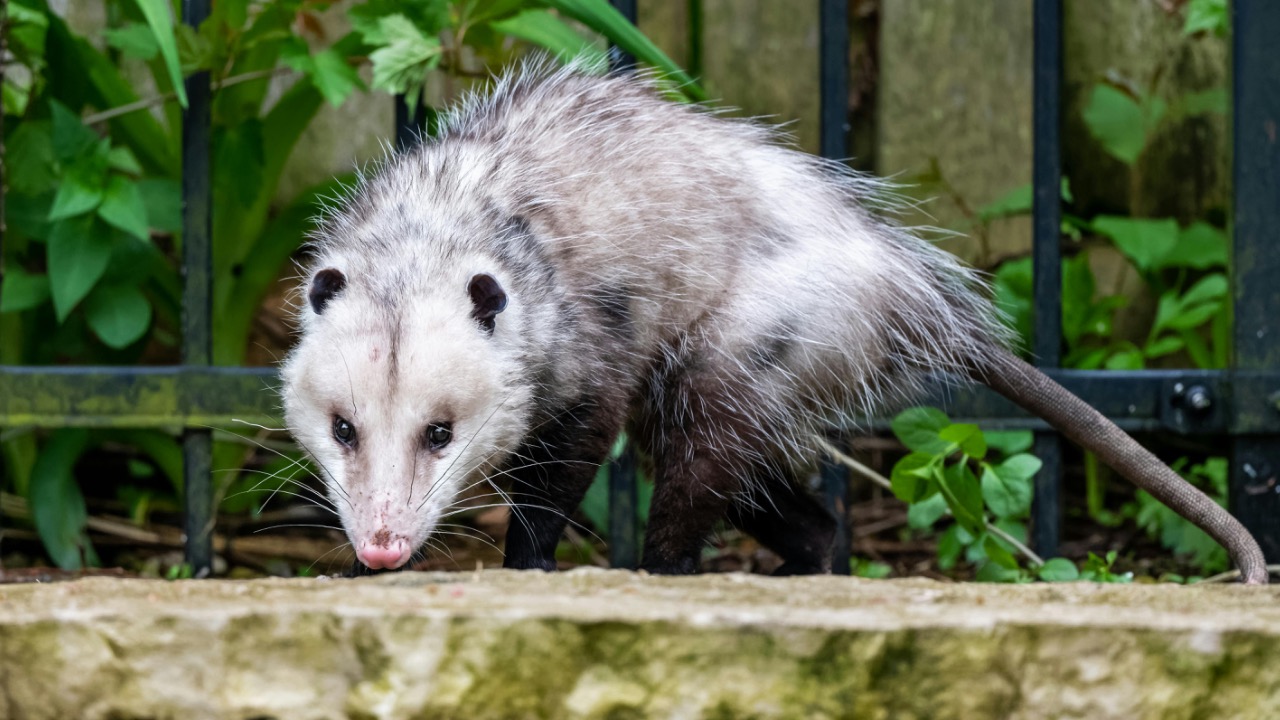
You don’t expect to find a nest tucked under your deck or buried in a brush pile, but it happens more than you’d think. The Virginia opossum is built to live close to people, and your yard can look like a safe place to raise young.
Before you grab a shovel or start tearing things apart, slow down. Opossums aren’t aggressive, and they play a bigger role in the ecosystem than most folks realize. Handle it the right way, and you can solve the problem without making a mess of it—or causing more issues down the road.
Make Sure It’s Actually an Opossum Nest
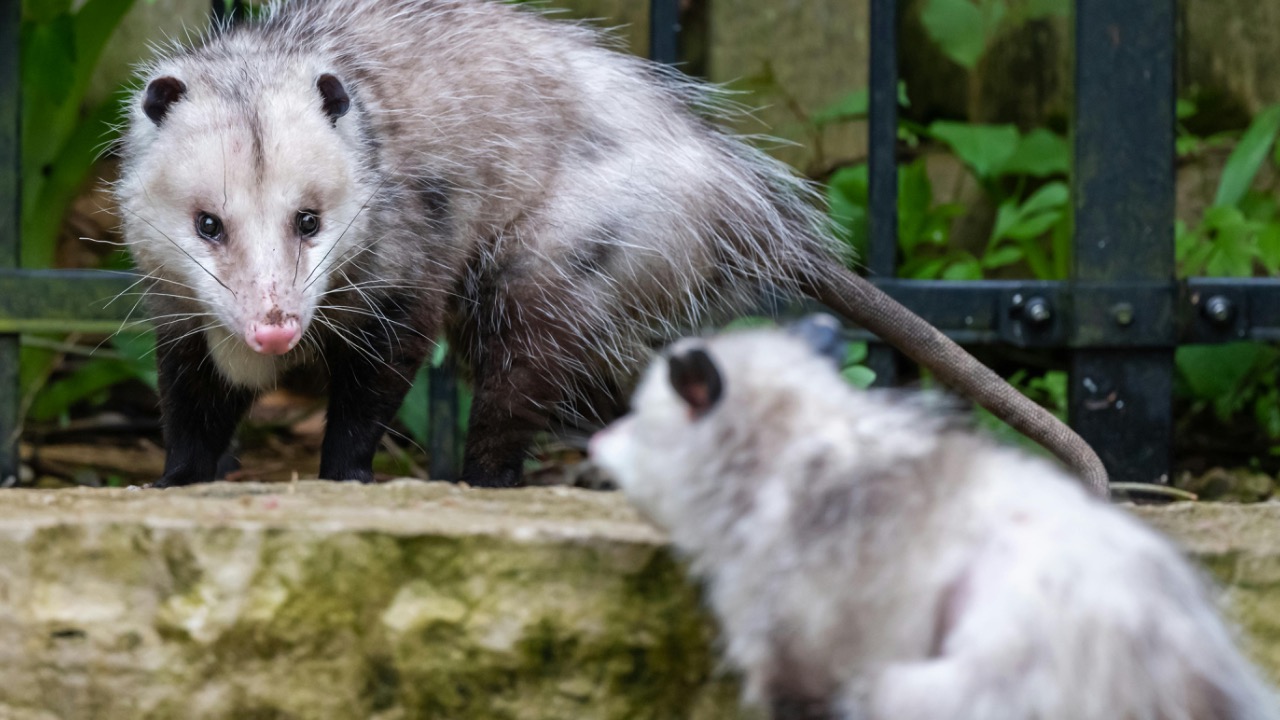
You want to be certain of what you’re dealing with before you take action. Opossums don’t build elaborate nests. Most of the time, they take over an existing space—woodpiles, crawl spaces, old burrows—and line it loosely with leaves.
Look for clues like scattered debris, a musky smell, and nighttime activity. You might spot the animal itself after dark. If there are babies involved, you’ll often hear faint clicking or sneezing sounds. Getting the ID right matters, because different animals require different approaches, and you don’t want to handle a situation based on a bad guess.
Give It Space and Avoid Direct Contact
Once you’ve confirmed it, keep your distance. Opossums aren’t looking for a fight, but cornering one can change that. They’ll hiss, show teeth, or play dead, and none of that means they need to be handled.
There’s also the health side to consider. While they’re less likely to carry rabies than many other mammals, they can still spread parasites like fleas or ticks. You’re better off observing from a distance and keeping pets and kids away from the area. Let the animal feel like it has a clear path in and out without pressure.
Check for Babies Before You Do Anything
This is where most people get into trouble. Female opossums often use these spots to raise young, and those young won’t survive if you separate them too early.
Take a careful look during daylight hours. If you see small, hairless or partially furred young, you need to hold off. They may still be dependent on the mother, even if she’s not always present. In many cases, the best move is patience. Once the young are mobile, the whole group will move on naturally, usually within a few weeks.
Remove Food Sources That Attract Them
Opossums don’t show up by accident. Something in your yard is drawing them in, and it’s usually food. Pet bowls left outside, unsecured trash cans, fallen fruit, or even compost can all bring them around.
Start by cleaning that up. Lock down garbage lids, bring pet food indoors, and clear out anything edible. When the easy meals disappear, the yard becomes less appealing. That alone can encourage them to move along without any direct intervention, which is always the cleaner solution.
Use Light and Disturbance to Encourage Them to Leave
Opossums prefer dark, quiet spaces. You can use that to your advantage without getting aggressive. Set up a bright light near the den site or introduce some steady noise.
It doesn’t take much—just enough to make the spot uncomfortable. A radio, a work light, or regular foot traffic can push them to relocate. The key is consistency. If you only disturb them once, they’ll ride it out. Keep it up for a few nights, and they’ll usually decide your yard isn’t worth the trouble.
Seal the Area After They Move Out
Once you’re confident the nest is empty, that’s your window to act. Don’t wait. If the space stays open, something else will move in.
Close off entry points under decks, sheds, or crawl spaces. Use sturdy materials—wire mesh or hardware cloth works well. At the same time, clean out any nesting material left behind. That removes scent cues that could attract another animal. Done right, this step turns a one-time problem into a solved one.
Avoid Trapping Unless It’s Absolutely Necessary
It might seem like the fastest fix, but trapping isn’t always the best route. In many areas, relocating wildlife is restricted or discouraged, and for good reason.
Moved animals often don’t survive. They’re dropped into unfamiliar territory, where they have to compete immediately. If you do go this route, check your local regulations and consider calling a wildlife professional. Most of the time, letting the animal leave on its own is safer, easier, and more effective.
Understand They’re Not All Bad to Have Around
It’s easy to see them as a nuisance, but opossums do some good work around your place. They eat insects, carrion, and even ticks, which helps keep things in check.
That doesn’t mean you want them living under your deck, but it does mean they’re not a threat that needs to be eliminated. If you handle the situation with a level head, you can get them out of your yard without turning it into a bigger problem than it needs to be.

Asher was raised in the woods and on the water, and it shows. He’s logged more hours behind a rifle and under a heavy pack than most men twice his age.